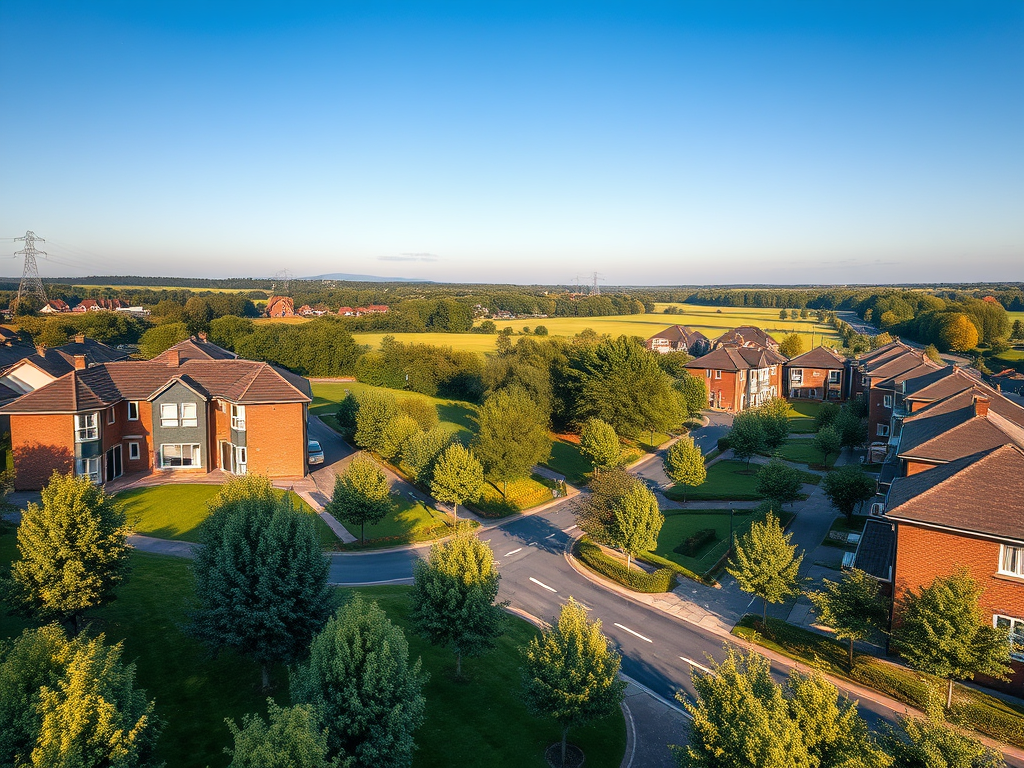
Frankley Great Park is a modern residential district on the south-western edge of Birmingham, lying between Northfield, Bartley Green and the Worcestershire countryside. It occupies a prominent position on high ground overlooking the Bourn Brook valley, with wide views across the surrounding landscape and a character that is very different from the dense inner-city districts of Birmingham. Although it appears new, the land on which Frankley Great Park stands has a long history tied to farming, water supply and some of the city’s most important infrastructure.
Before the estate was built, this area was largely open farmland, part of the historic parish of Frankley, which for centuries lay outside Birmingham in rural Worcestershire. The fields, hedgerows and lanes that once covered the area were used for grazing and arable farming, supplying food to the growing city to the north. Much of this countryside survived well into the twentieth century, giving Frankley a far more rural character than most parts of Birmingham.
The greatest influence on the area’s history was the construction of the Frankley Water Treatment Works, one of the largest and most important water facilities in the Midlands. Built in the early twentieth century, it became the main source of drinking water for Birmingham and much of the Black Country, bringing water from the Elan Valley reservoirs in mid-Wales. The vast settling tanks, pumping stations and pipelines around Frankley quietly underpin daily life for millions of people, making the district one of the most strategically important utility sites in the region, even though it is largely hidden from view.
Frankley Great Park itself was developed in the early twenty-first century on land that had become surplus to water authority and agricultural needs. It was designed as a large, planned community with modern housing, schools, parks and local shopping facilities, offering a quieter, greener alternative to older Birmingham estates. Tree-lined roads, open spaces and pedestrian routes give it a semi-rural feel that reflects the landscape it replaced.
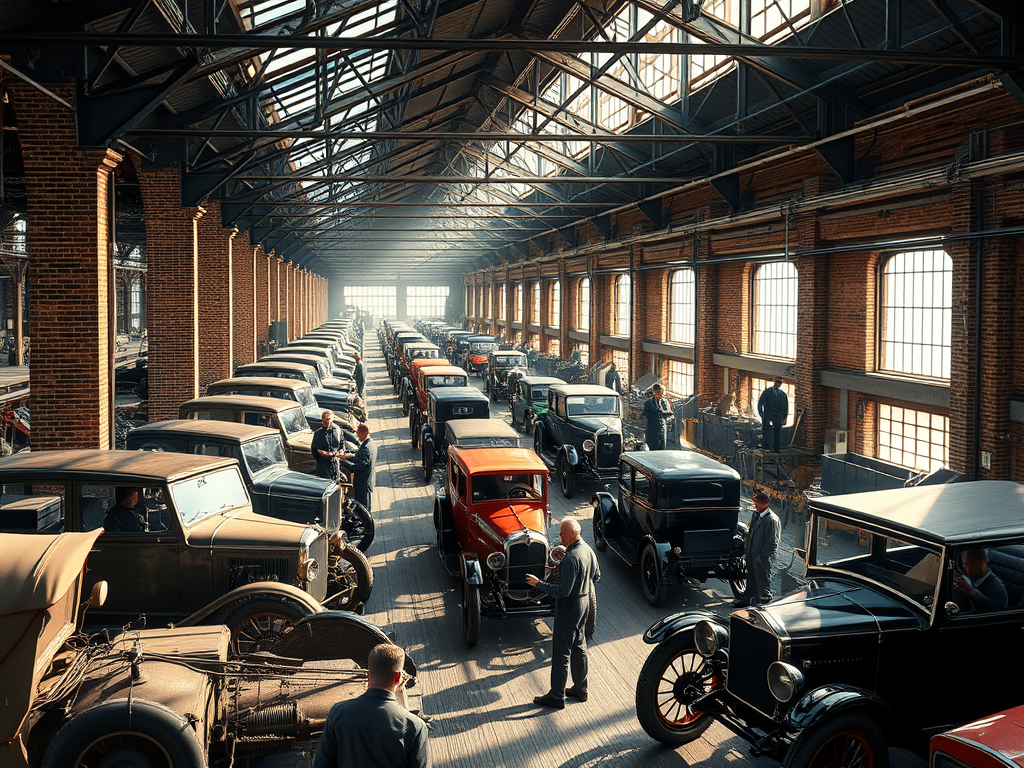
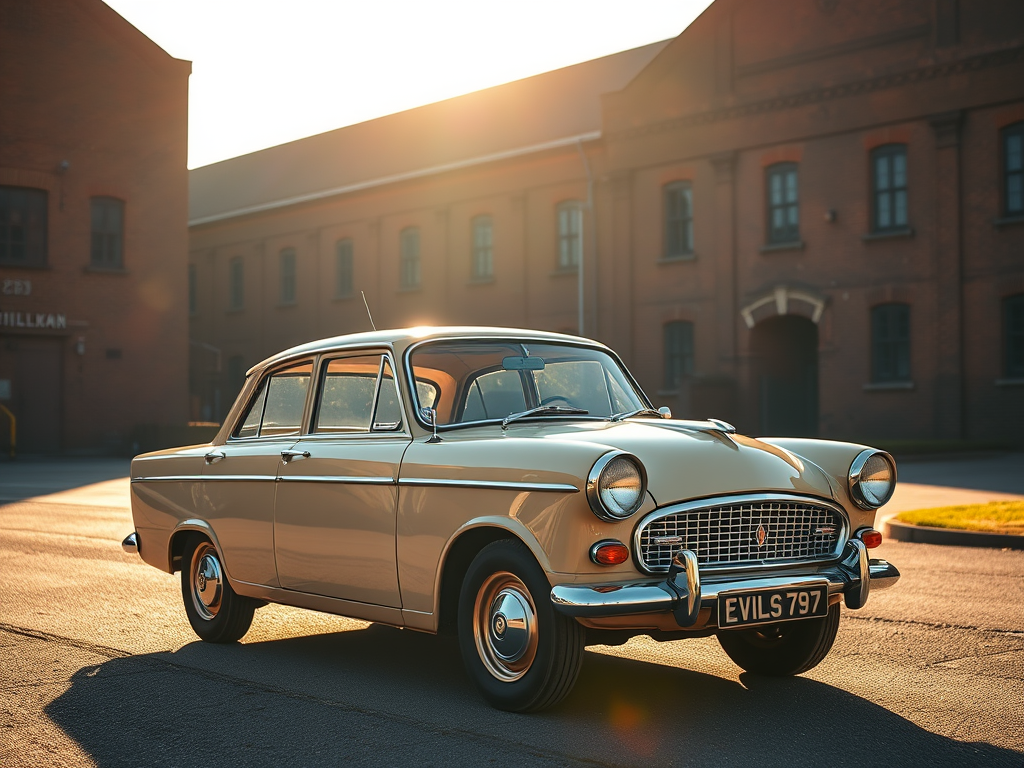
The area is also closely linked to Longbridge, one of Birmingham’s most famous industrial zones. For much of the twentieth century, thousands of workers living around Frankley travelled to the Austin and later Rover car works, which at its peak was one of the largest car factories in Europe. The closure and redevelopment of Longbridge in the early 2000s changed the local economy, but the regeneration of the site has brought new jobs in retail, technology and education, once again connecting Frankley Great Park to one of Birmingham’s key employment centres.
Despite its modern appearance, Frankley Great Park sits in a landscape shaped by centuries of human activity, from medieval farming to Victorian engineering and twentieth-century mass industry. Today it represents a new chapter in Birmingham’s expansion, blending contemporary suburban living with a location rooted in the infrastructure and industry that helped build the city.



Leave a Reply