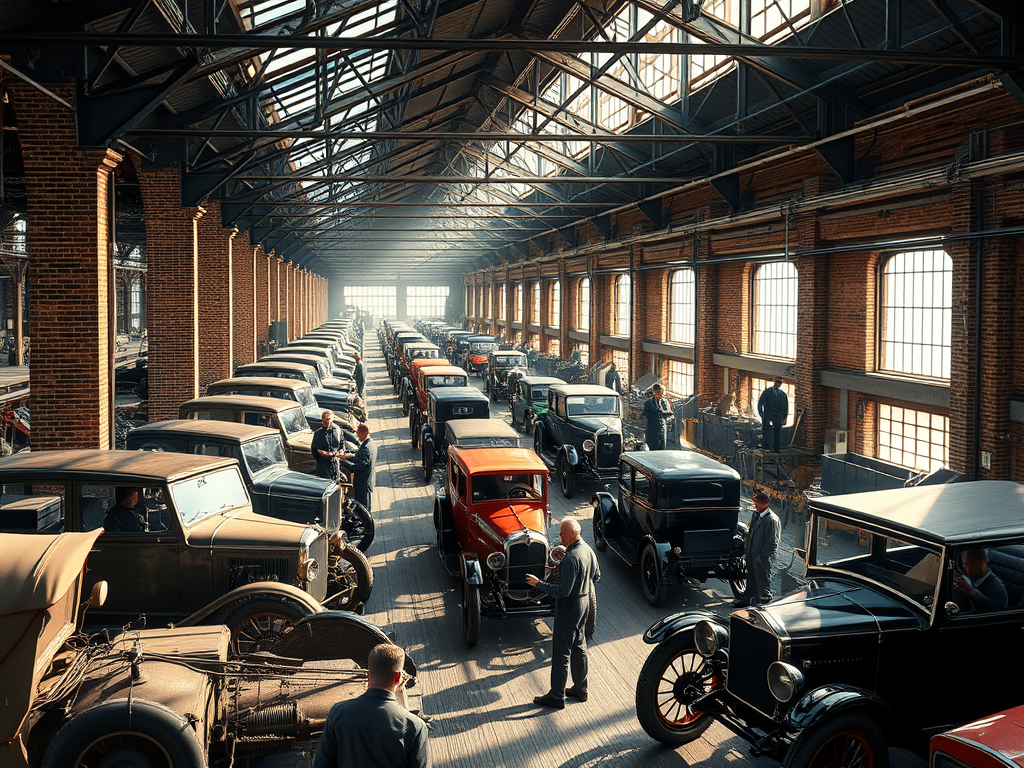
The Standard Motor Company was one of the most important and influential car manufacturers to emerge from Coventry, playing a central role in the development of Britain’s motor industry from the early 20th century through to the post-war era. Founded in 1903 by Reginald Walter Maudslay, Standard began at a time when Coventry was transitioning from bicycle manufacture to motor vehicles, quickly establishing itself as a serious automotive producer. From the outset, the company focused on well-engineered, affordable cars aimed at a broad market rather than luxury buyers.
Standard’s main manufacturing base became the Canley area of Coventry, where a large factory complex was developed. The Canley works expanded steadily and at its peak employed many thousands of workers, becoming one of the city’s largest and most important industrial sites. The factory not only produced cars but also engines and components, reinforcing Coventry’s reputation as the heart of British car manufacturing.
Before the Second World War, Standard achieved major commercial success with a wide range of dependable saloons and tourers. The company built a strong domestic reputation and was also a major exporter, particularly to Commonwealth markets. During the war years, Standard switched to vital military production, manufacturing aircraft engines and other components, which further expanded its industrial capacity and technical expertise.
The post-war period marked the high point of the company’s influence. Standard introduced a new generation of modern cars that were competitive in both price and engineering. Perhaps its most significant strategic move was the acquisition of the Triumph marque in 1945. Triumph cars were subsequently built using Standard engines and platforms, allowing the company to cover both mainstream family cars and sportier, more aspirational models. This dual-brand strategy proved highly successful, especially with export-focused sports cars such as the Triumph TR series, which became popular in the United States.
Despite its successes, Standard faced growing challenges during the 1950s. Increased competition, rising production costs and the need for continual investment placed pressure on the company. In 1959, Standard merged with Leyland Motors, forming Standard-Triumph International. While the Standard name continued for a few more years, the company’s focus increasingly shifted toward Triumph-branded vehicles, particularly sports cars and saloons with stronger international appeal.
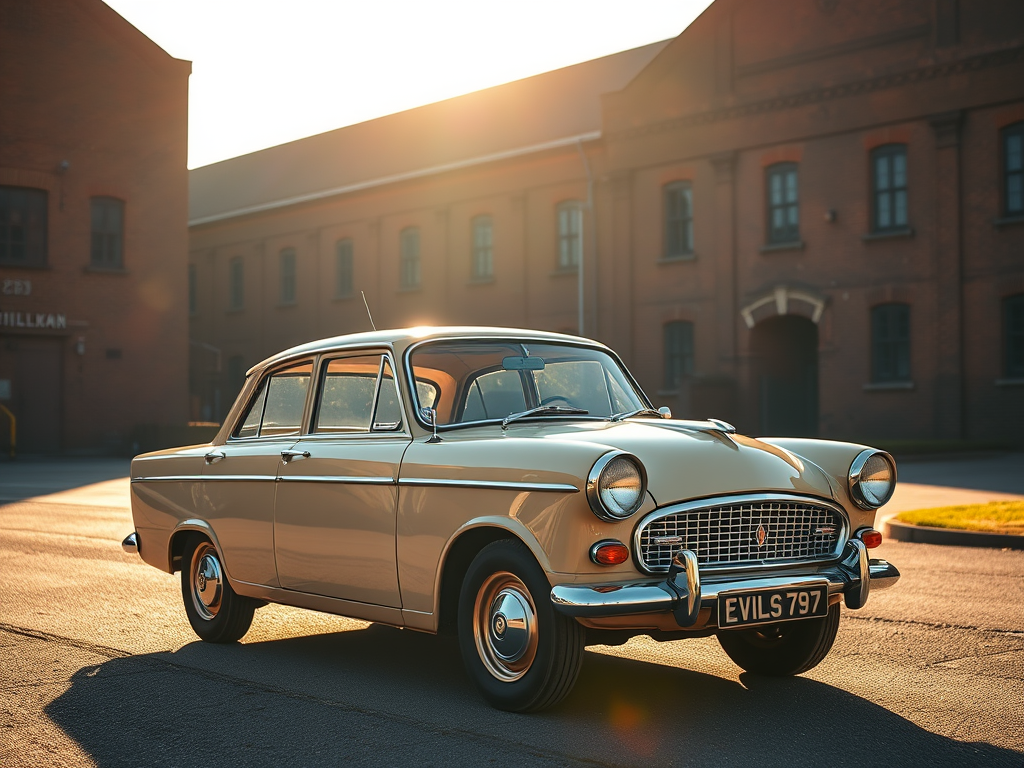
The Standard brand was gradually phased out during the early 1960s, with the last Standard-badged car produced in 1963. The Canley factory continued to operate as a major Triumph production site and later became part of the sprawling British Leyland conglomerate. Over time, industrial decline, underinvestment and wider problems within the British motor industry led to the gradual rundown of Coventry’s car plants, and the Canley site eventually closed in the early 1980s.
Today, the Standard Motor Company is remembered as one of Coventry’s foundational automotive firms. Its role in mass-producing affordable cars, supporting wartime manufacturing and establishing Triumph as a global sports car brand gives it lasting significance in British industrial history. Standard’s rise and eventual disappearance mirror the broader story of Coventry itself: innovation and global reach followed by consolidation and decline in an increasingly competitive international car market.




Leave a Reply