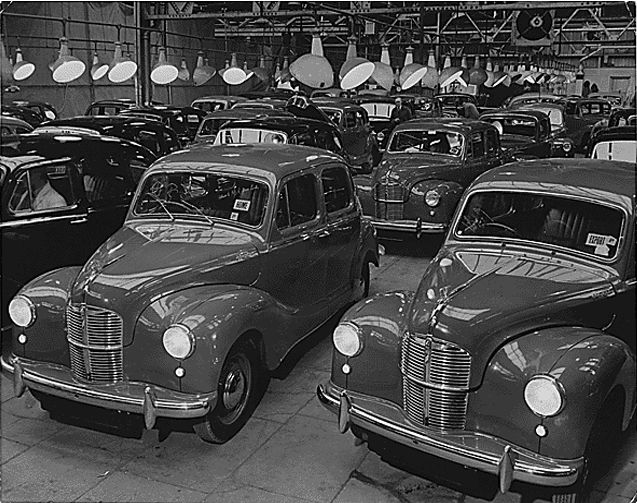
Longbridge owes its very existence to the car factory at Longbridge. Visitors to Longbridge cannot escape the maze of factories and flyovers across the main roads as they pass through. The Longbridge factory has a long and historical past as a major player of the UK car industry. Prior to 1894 there was only one house at Longbridge. It was an agricultural area outside of the city boundaries. The building of the Longbridge car factory changed it beyond recognition.
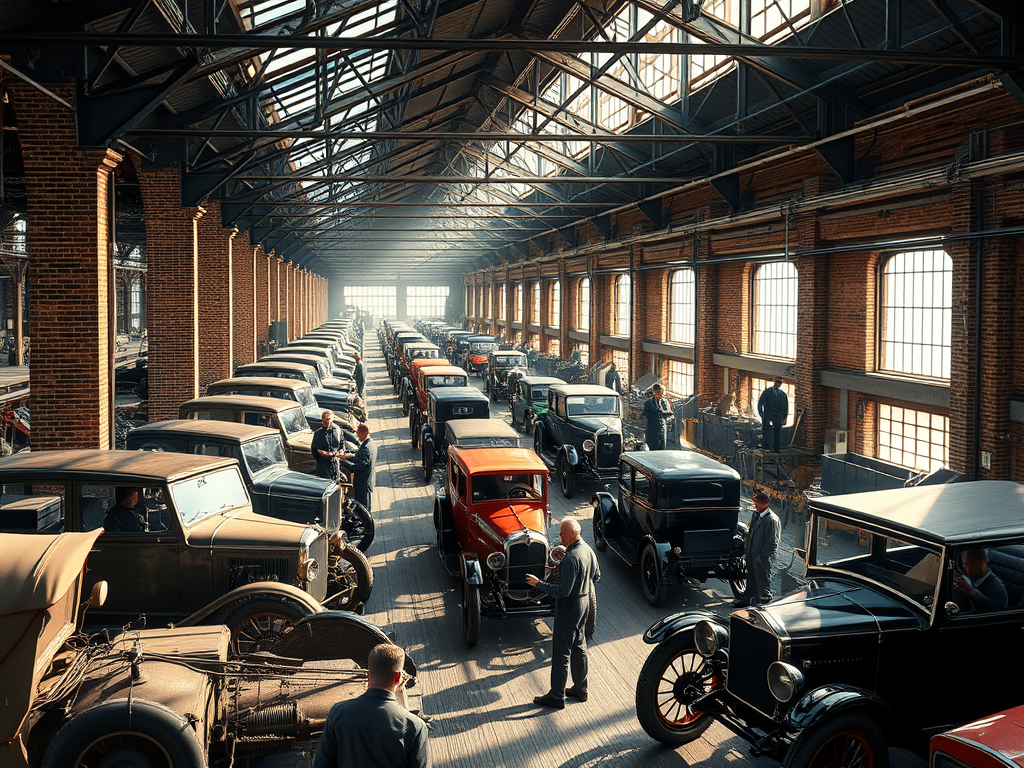
That changed dramatically in 1905 when Herbert Austin moved his motor works to the site, creating what would become the Austin Motor Company and later part of the vast British Motor Corporation, British Leyland and MG Rover empires. From this moment, Longbridge was transformed from open countryside into a booming industrial town.
The closure of MG Rover in 2005 was a devastating moment for the area, bringing to an end more than a hundred years of car production. Thousands of jobs were lost, and for a time the future of Longbridge looked bleak. However, the huge factory site has since been redeveloped into the Longbridge Technology Park and a new town centre, bringing in modern manufacturing, offices, housing and retail, including new links to companies such as SAIC Motor, the Chinese owners of the MG brand.
Sceptics proclaimed their opinion that Rover would fail within 12 months and that closure was inevitable. Mercifully this has not been the case and the Rover factory continues to produce quality cars and look towards the future. Lets hope it can put the turbulent years behind it. There are signs that the recent deal with ‘Brilliance’ of China could shape the future of the company and secure jobs both at Longbridge and for the West Midlands components industry.
At its peak, the Longbridge plant covered hundreds of acres and employed tens of thousands of workers. It produced some of the most famous cars in British history, including the Austin Seven, Mini, Austin Metro, Maestro and many others. The factory was not just a workplace but the heart of a whole community, with generations of families working there and local shops, pubs, clubs and schools built around the rhythms of shift work and production lines.
Longbridge was also a place of great industrial and political significance. The plant was a centre of trade union activity and played a major role in the struggles that shaped Britain’s post-war manufacturing economy. Strikes, takeovers and government interventions made Longbridge a symbol of both the strengths and the weaknesses of British industry in the twentieth century.
Today Longbridge is a district in transition. While the roar of mass car production has gone, the area is once again becoming a centre for engineering, technology and modern industry. Its long story, from rural hamlet to global car-making powerhouse and then to regeneration hub, makes Longbridge one of the most powerful examples of how Birmingham has been shaped by industry, decline and renewal.





Leave a Reply