
Founding and Early Years
The Austin Motor Company Limited was one of the most important and influential names in British automotive history. It was founded in 1905 by Herbert Austin, an experienced engineer who had previously worked for Wolseley. Determined to establish his own motor car business, Austin secured financial backing and set out to manufacture reliable British vehicles at a time when the motor industry was still in its infancy.
A suitable manufacturing site was found at Longbridge, just south of Birmingham. The location was ideal, offering good rail connections, road access and room for expansion. At the time Longbridge was semi rural, but its proximity to Birmingham provided access to skilled labour and industrial infrastructure. Production began in 1906 with the company’s first car, and the Austin Motor Company was officially underway.
Expansion and Early Success
In its early years the company experienced mixed fortunes, but Herbert Austin’s focus on engineering quality and practical design gradually paid off. The business expanded steadily and by the outbreak of the First World War, Austin had become a significant vehicle manufacturer.
The war transformed the company. The Longbridge factory expanded dramatically to meet military demand, producing lorries, ambulances, munitions and aircraft components. Employment at the site grew rapidly, and Longbridge became one of the largest industrial complexes in the country. The surrounding area developed alongside the factory, with housing and amenities built to support the growing workforce.
The Austin Seven and Mass Motoring
The most important turning point in the company’s history came in 1922 with the launch of the Austin Seven. Small, affordable and economical, it made car ownership possible for thousands of families who had previously been priced out of motoring. The Austin Seven became one of the most successful British cars of all time and secured the company’s long term future.
Although the company faced financial difficulties in the early 1920s, including a period of receivership, it recovered and entered a new phase of stability. The success of the Seven helped establish Austin as a household name and confirmed Longbridge as one of Britain’s most important car manufacturing centres.
The Longbridge Factory and Its Location
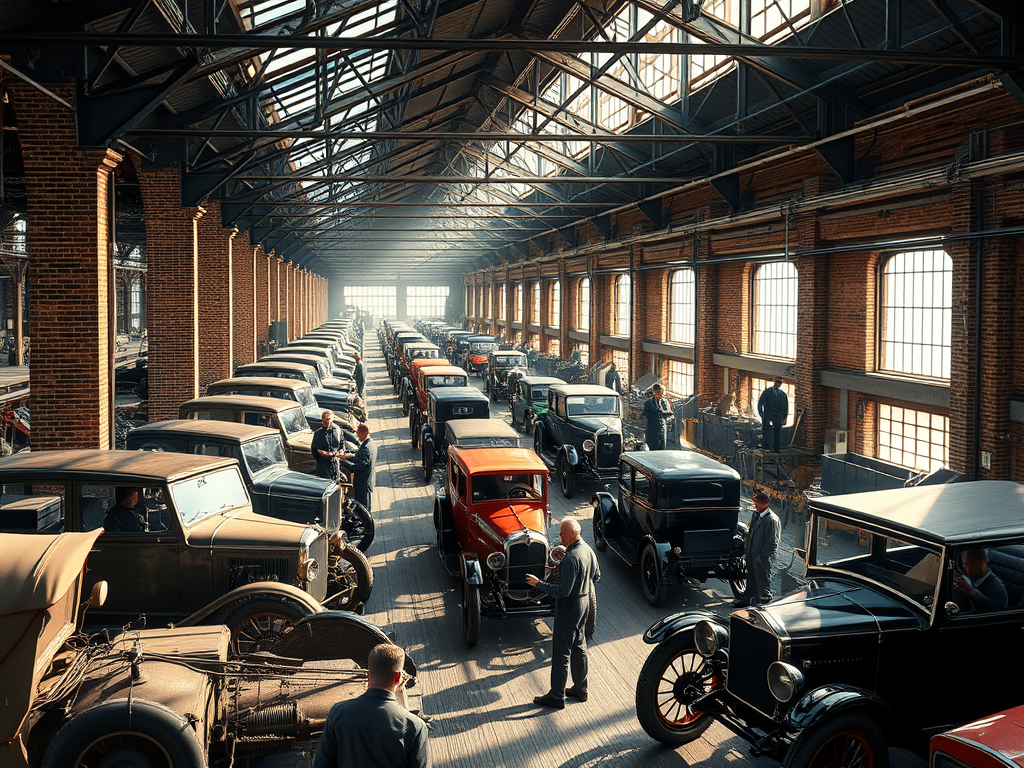
The Longbridge factory was the heart of the Austin Motor Company for its entire existence. What began as a converted printing works grew into a vast industrial site containing foundries, body shops, paint facilities and assembly lines. At its peak, Longbridge employed tens of thousands of workers and was one of the largest car plants in Europe.
Its location in Birmingham was crucial to its success. The city’s engineering tradition, transport links and workforce supported Austin’s growth for decades. Longbridge became more than a factory, it was a community, shaping daily life in the area and providing employment for generations of Birmingham families.
Mergers and Industry Change

In 1952, the Austin Motor Company merged with Morris Motors to form the British Motor Corporation. While the Austin brand continued, the original company ceased to exist as an independent manufacturer. Longbridge remained a key production site, building vehicles under the new corporate structure.
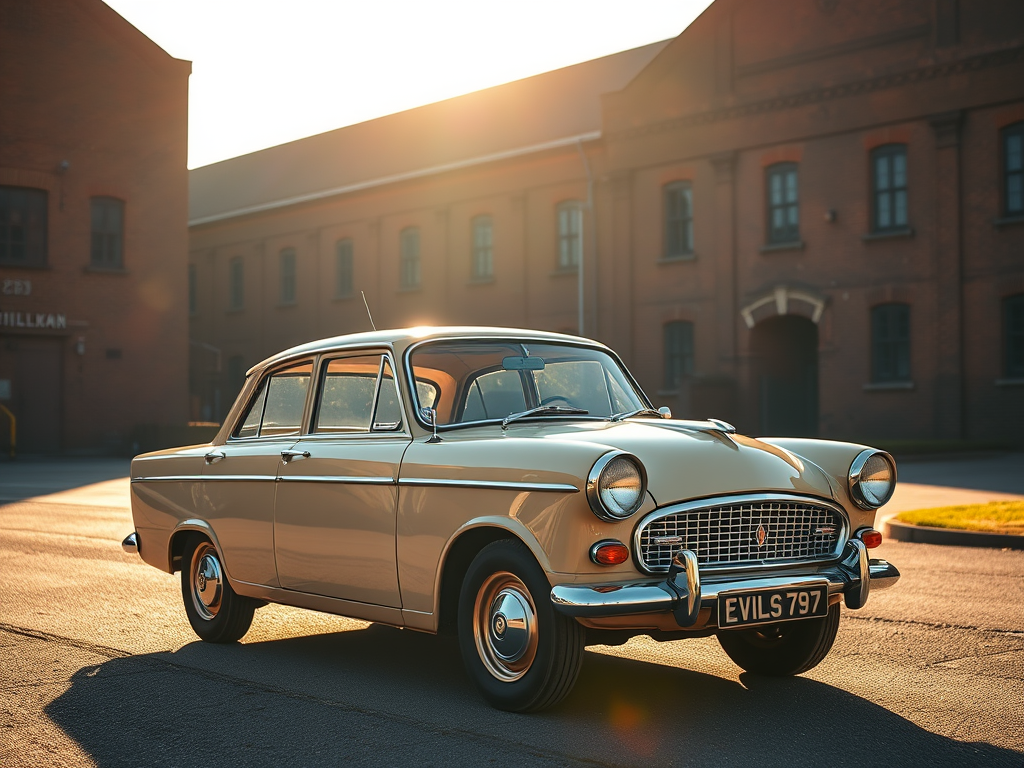
Further mergers followed as the British motor industry consolidated, eventually becoming part of British Leyland. Austin badged cars continued through the 1960s and 1970s, including versions of the Mini and a range of family cars, but increasing competition, industrial disputes and management problems began to undermine the business.
Decline and the End of the Austin Name
By the 1980s, the Austin brand was gradually phased out as the company focused on other marques. The final Austin badged cars were sold in 1987, marking the end of the name that had played such a central role in British motoring.
Vehicle production at Longbridge continued under later owners, including Rover and MG Rover, but on a much reduced scale. Ultimately, large scale car manufacturing at the site came to an end, closing a chapter that had lasted for over a century.
Legacy of the Austin Motor Company
The Austin Motor Company left a lasting legacy in Birmingham and beyond. It helped introduce mass motoring to Britain, created some of the country’s most iconic vehicles, and shaped the social and industrial history of Longbridge. Today, while much of the original factory has been redeveloped, the story of Austin remains closely tied to Birmingham’s identity as a powerhouse of British engineering and manufacturing.





Leave a Reply