
Digbeth is widely regarded as the old heart of Birmingham, the area where the settlement that would become the city first took shape. Long before Birmingham emerged as an industrial powerhouse, life here revolved around the market, the church and the natural resources provided by the River Rea. The river supplied water for early settlements and supported trades that depended on it, helping Digbeth and neighbouring Deritend develop as focal points of activity from a very early date.
In the Domesday Survey of 1086, Birmingham is recorded as belonging to William Fitz-Ansculf of Dudley Castle and was valued at just £1, reflecting its modest status at the time. Despite this humble valuation, the foundations of the town were already forming. A decisive moment came in 1166 when Peter de Birmingham was granted permission to hold a market. This brought traders together from surrounding hamlets and villages and marked the true beginning of Birmingham as a commercial centre. The market’s success laid the groundwork for steady growth, even if no one at the time could have foreseen the scale or importance the town would later achieve.
The famous name “Bull Ring” has its origins in the sixteenth century, when a licence was granted to John Cooper for the baiting of bulls. While the practice itself belongs firmly to a harsher past, the name endured and became permanently associated with Birmingham’s central market area. As the market flourished, the settlement expanded beyond its early boundaries, gradually taking on the shape of a town rather than a rural village.
Religion also played a central role in Digbeth’s early history. The first Norman church was built on the site where St Martin’s Church now stands, reinforcing the importance of the area as a spiritual as well as commercial centre. Nearby, the district of Deritend developed along the River Rea and was recorded as having tanneries, reflecting the early industrial and craft-based activity that would later define Birmingham. By 1536, census records show a population of just over 1,500 people, still small by later standards but significant enough to support a growing town economy.
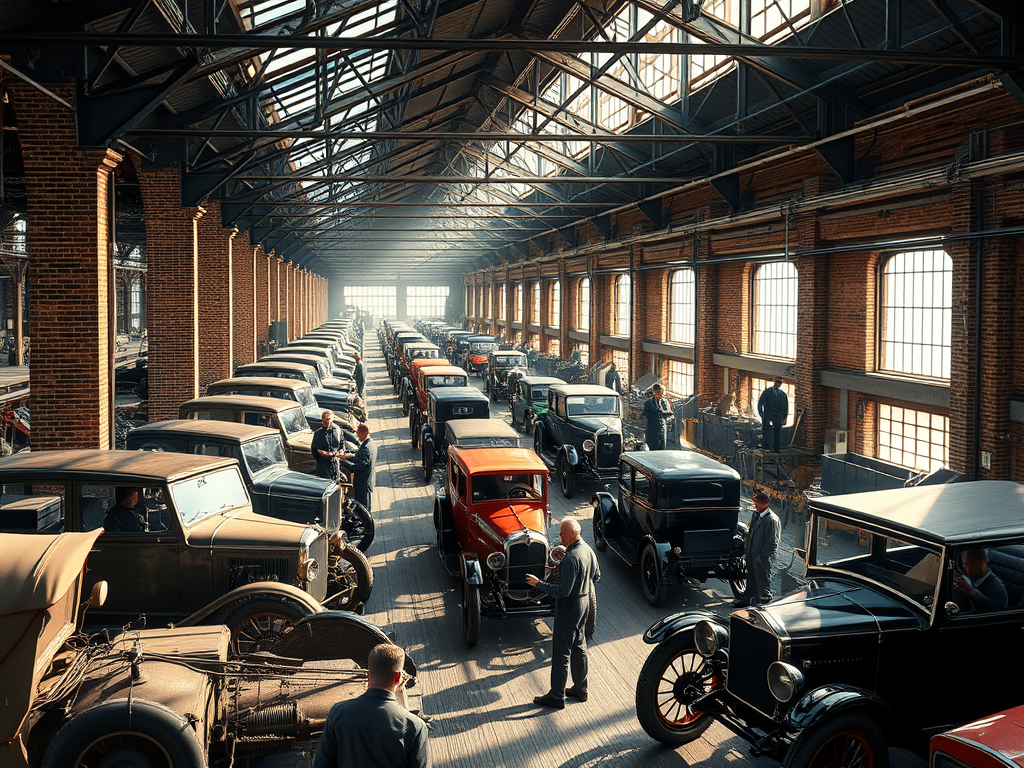
As centuries passed, Digbeth became increasingly shaped by industry, transport and migration. Canals and railways cut through the area, bringing raw materials and goods and reinforcing its role as a working district. Brick warehouses, workshops and viaducts came to dominate the landscape, many of which survive today as reminders of Birmingham’s industrial age. This working character remained well into the twentieth century, even as other parts of the city changed more rapidly.
In more recent decades, Digbeth has undergone a transformation without losing its identity. Former industrial buildings have been adapted for new uses, most notably at the Custard Factory, once home to Bird’s Custard and now a centre for creative industries, independent businesses and events. Alongside this, St Patrick’s Church continues to reflect the area’s strong Irish heritage and its long-standing role as a place of community and worship.
Today, Digbeth stands as a place where Birmingham’s earliest history and its modern creative energy meet. From medieval markets and Norman churches to canals, factories and contemporary culture, it remains one of the clearest expressions of how the city began and how it continues to evolve.





Leave a Reply