
Soho is one of the most historically important districts in Birmingham, even though it does not appear today as a formal ward. Lying between Handsworth, Handsworth Wood and Smethwick, Soho was once open countryside before becoming one of the birthplaces of the Industrial Revolution. Its transformation from fields into a centre of advanced manufacturing helped shape not only Birmingham but modern industry itself.
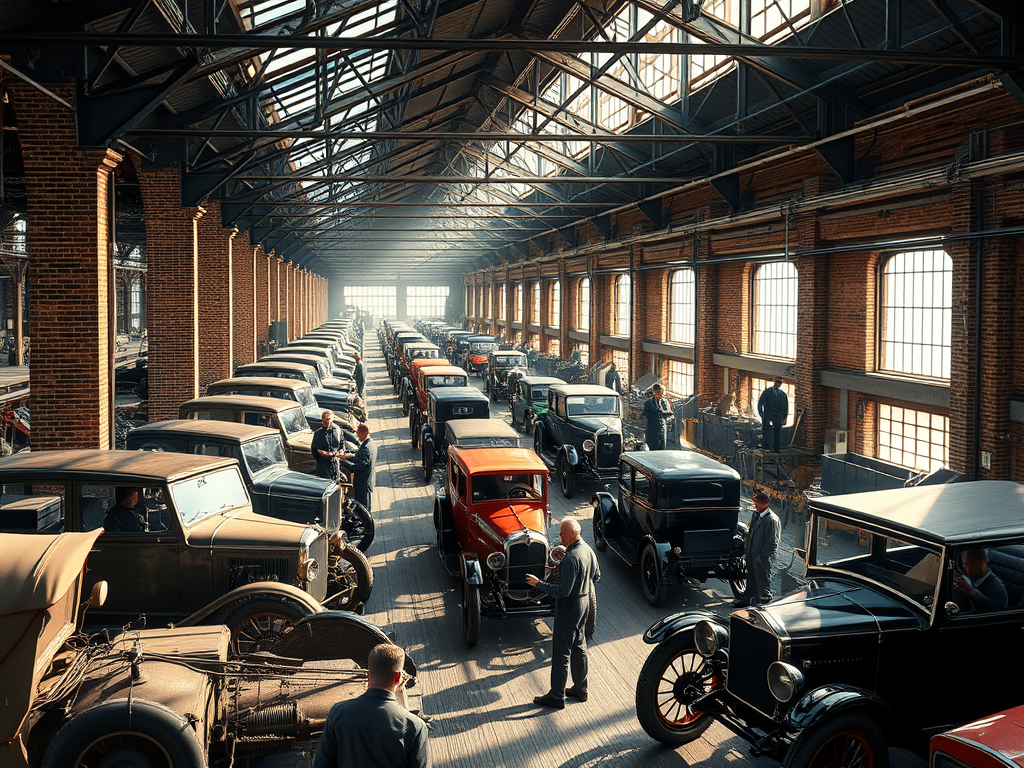
The story of Soho is inseparable fromMatthew Boulton, one of Birmingham’s greatest industrial pioneers. In the 1760s he built Soho House as his home and soon after established the Soho Manufactory nearby. This was one of the world’s first purpose-built factories, bringing together skilled workers, precision machinery and organised production on a scale that had never existed before. From Soho, Boulton produced buttons, buckles, plated wares and fine metal goods that were exported across Europe and beyond.
Soho became even more famous through Boulton’s partnership with James Watt, whose improved steam engines were manufactured and developed there. The Soho Foundry and related workshops supplied engines that powered mines, mills and factories throughout Britain and overseas, making Soho one of the centres of the Industrial Revolution. The district became a magnet for engineers, craftsmen and entrepreneurs, creating a thriving industrial community long before Birmingham’s later factory districts emerged.
One of the area’s most important surviving landmarks is Soho House, Boulton’s elegant Georgian home, which still stands today in Handsworth. It was a meeting place for the Lunar Society, whose members included some of the greatest scientists and thinkers of the age. Men such as James Watt, Erasmus Darwin and Joseph Priestley met here to discuss science, engineering and philosophy, making Soho a place not only of industry but of ideas.
The wider Soho area developed around these industries, with workers’ housing, canals and later railways connecting it to the rest of Birmingham and the Black Country. The Birmingham Canal passed close by, allowing heavy materials and finished goods to be transported easily, further strengthening Soho’s role as an industrial hub. Over time, streets such as Soho Road became busy commercial routes serving the growing population.
Although much of the original manufactory and foundry buildings have been lost or altered, Soho’s importance is still written into the landscape through its street names, canals, surviving buildings and the continued presence of Soho House. What is now a busy inner-city district was once one of the most advanced manufacturing centres in the world, and its influence reached far beyond Birmingham.
Today Soho stands as a reminder that the modern industrial age was born not only in great factories but in places where engineering, enterprise and imagination came together. Its legacy lives on in Birmingham’s reputation as a city of invention, skill and industry.





Leave a Reply