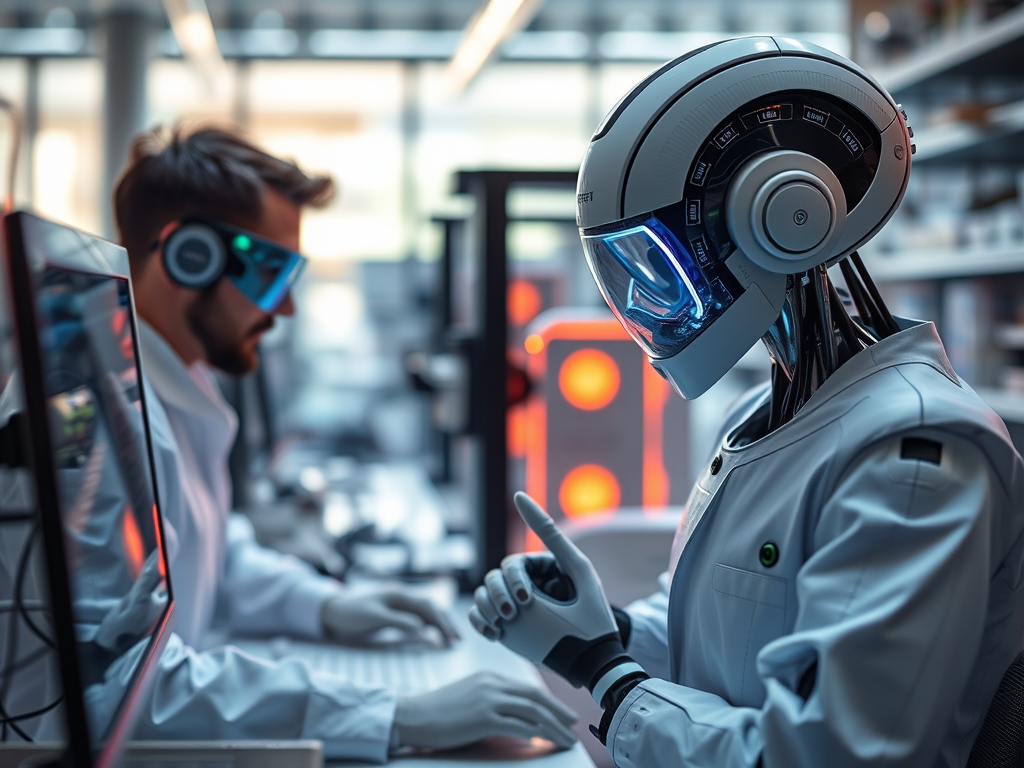
Birmingham is undergoing one of the most important economic transformations in its history. Once known primarily as the workshop of the world, the city is now becoming a centre for advanced technology, digital industries and scientific innovation. This shift is not replacing Birmingham’s industrial heritage so much as evolving it, taking the city’s long tradition of engineering, problem-solving and production into the digital and high-tech age.
At the heart of this change is a fast-growing technology sector that spans software development, artificial intelligence, data science, cybersecurity, digital media, advanced engineering and life sciences. These industries are bringing new kinds of jobs to the city, from software engineers and AI specialists to designers, analysts, researchers and creative technologists. The result is a workforce that is increasingly skilled, international and future-focused.
Birmingham’s universities play a central role in this transformation. Institutions such as the University of Birmingham, Aston University and Birmingham City University are deeply involved in research, innovation and industry collaboration. They produce thousands of graduates each year in computing, engineering, digital media, biomedical sciences and data analytics, many of whom now stay in the city to work in growing technology firms. University research centres are also helping to turn academic discoveries into commercial products, attracting investment and supporting start-ups.
The city has also developed dedicated innovation districts and technology clusters. Areas such as Eastside and Digbeth have become hubs for digital businesses, creative studios, games developers and software companies. Innovation Birmingham Campus, near Aston, provides a base for start-ups and scale-ups working in areas such as fintech, health technology, artificial intelligence and enterprise software. These clusters bring together businesses, investors and skilled workers in a way that encourages rapid growth and collaboration.
Artificial intelligence and data-driven technology are among the most important new forces in Birmingham’s economy. Local companies are using machine learning and advanced analytics to improve logistics, healthcare, retail, manufacturing and financial services. This has created demand for highly trained specialists, while also supporting more efficient and modern ways of working across traditional industries.
Birmingham’s engineering heritage has also found new life through advanced manufacturing and Industry 4.0 technologies. Robotics, automation, digital design, 3D printing and smart factory systems are now part of the city’s industrial landscape. Rather than mass production alone, many Birmingham firms now focus on high-value, high-precision manufacturing supported by digital tools and intelligent systems.
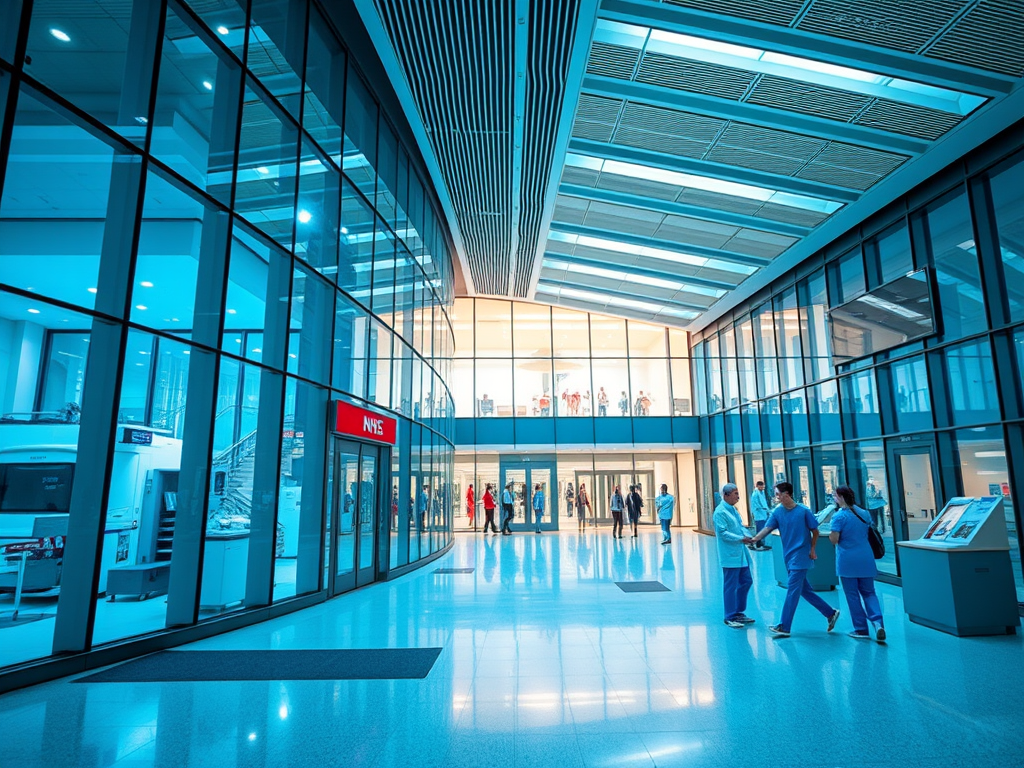
Health and life sciences are another important growth area. The city’s hospitals, research institutions and universities are working with technology companies on digital health platforms, medical devices, data-driven diagnostics and biotechnology. This links Birmingham’s strong healthcare base with modern computing and data science, creating new industries and new career paths.
Technology is also playing a major role in Birmingham’s physical regeneration. Former industrial land and underused buildings are being converted into offices, studios, laboratories and co-working spaces. Areas such as Digbeth and Eastside, once dominated by warehouses and factories, now host tech firms, creative agencies, start-ups and cultural venues. This has brought new life, new businesses and new visitors into parts of the city that had long been in decline.
The impact of this shift goes beyond economics. A growing technology sector attracts young professionals, international workers and creative talent, changing the social and cultural fabric of the city. New cafés, bars, arts spaces and housing developments have followed the arrival of digital and tech businesses, helping to make Birmingham more attractive as a place to live as well as to work.
Birmingham is not trying to become another London or Silicon Valley. Instead, it is building on what it already is: a city of makers, engineers and innovators. The tools have changed from steam engines and lathes to software, data and robotics, but the underlying culture of invention remains the same.
Today, Birmingham stands at the centre of a new kind of industrial revolution, one driven by knowledge, technology and creativity. The growth of advanced industries is bringing expertise, investment and long-term regeneration, ensuring that the city remains not just a historic industrial capital, but a modern, forward-looking centre of innovation in the United Kingdom.






Leave a Reply