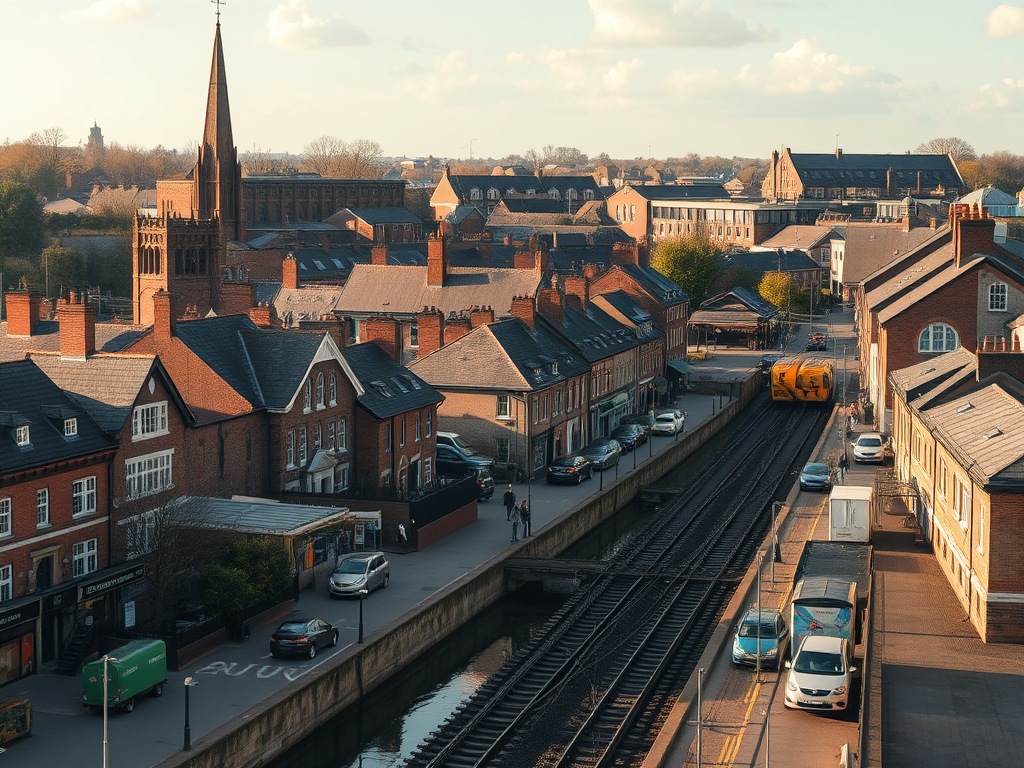
Bordesley Green sits to the east of Birmingham’s city centre, forming a long, historic corridor between Digbeth, Small Heath and Yardley. It developed from a medieval rural settlement into one of the city’s most intensely industrialised districts, shaped by canals, railways and the spread of factories along the Coventry Road and Bordesley Green Road. The area takes its name from the medieval manor of Bordesley, once owned by Bordesley Abbey, and large parts of it were originally open fields and market gardens that supplied Birmingham before the nineteenth century transformed it completely.
The arrival of the Grand Union Canal and later the railway lines in the early 1800s turned Bordesley Green into a strategic industrial zone. Its proximity to Digbeth, the city centre and the Black Country meant it became a natural home for heavy industry, engineering and manufacturing. Rows of terraced houses were built to accommodate workers, many of them migrants from across Britain and later from Ireland, South Asia and the Caribbean, giving the area the diverse character it still has today.
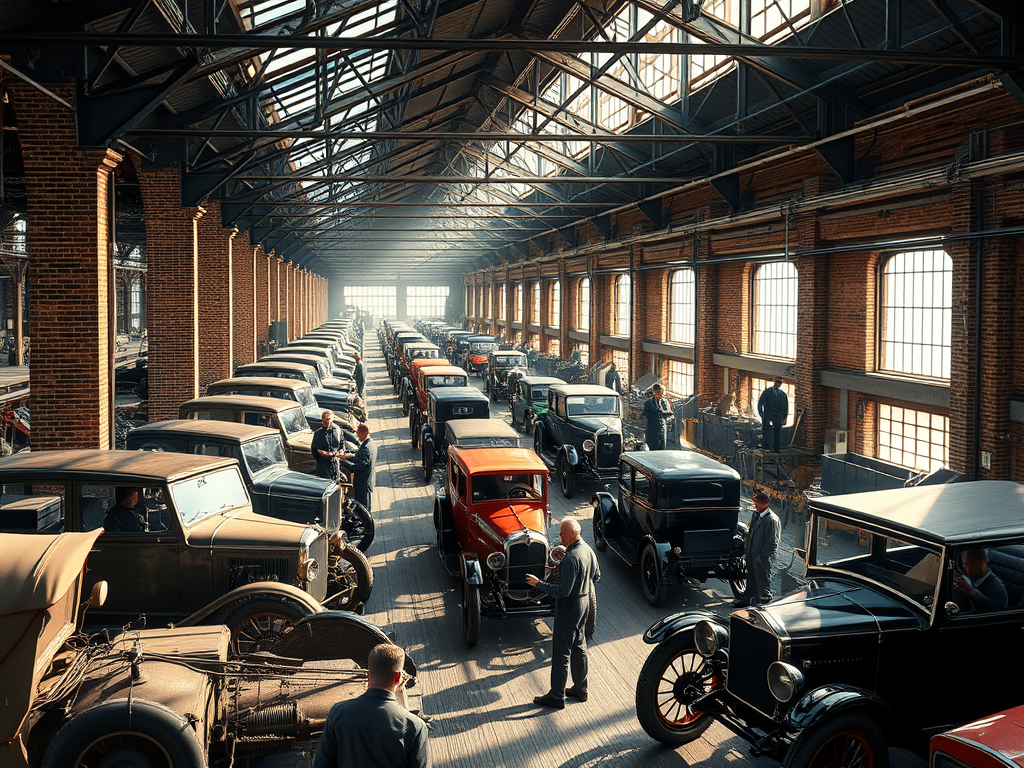
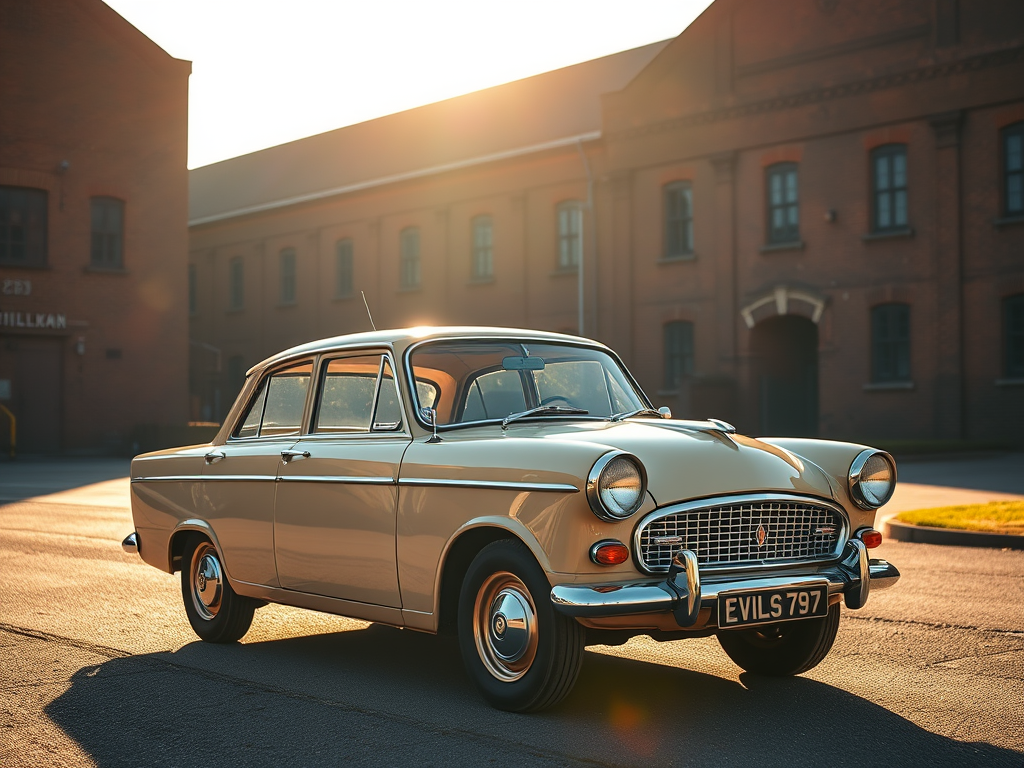
One of Bordesley Green’s most important industrial landmarks was the massive Birmingham Small Arms Company complex at Small Heath, just on its western edge. BSA became one of the world’s largest arms and motorcycle manufacturers, producing everything from rifles to bicycles and motorbikes. Nearby, the Lucas electrical works at Great King Street and the surrounding industrial estates supplied vehicle lighting, dynamos and electrical systems for much of Britain’s motor industry. Together with factories making castings, fasteners, pressings and tools, Bordesley Green formed part of a tightly packed manufacturing ecosystem that fed Birmingham’s global reputation as the “workshop of the world”.
The Coventry Road, which runs through the heart of Bordesley Green, was historically one of the city’s main arterial routes. It was lined with shops, cinemas, pubs and dance halls, serving a dense working population. The area was also close to Bordesley railway station and the vast goods yards that once handled coal, metals and manufactured goods moving in and out of the city. Although much of the heavy rail infrastructure has gone, the road still reflects its role as a busy commercial spine, with independent shops, cafés and businesses replacing the old chains.
Among the area’s notable buildings is St Andrew’s Church, a large Victorian church that once served a huge parish and remains a visible landmark. There were also numerous mission halls, schools and social clubs built by churches, trade unions and factory owners, reflecting the strong community networks that developed in the area. Bordesley Green was never a wealthy district, but it was socially rich, with strong ties between work, neighbourhood and family life.
During the Second World War the district was heavily bombed because of its concentration of factories and rail infrastructure. Many streets were destroyed or damaged, and large post-war housing estates and industrial estates replaced earlier Victorian terraces. This changed the physical character of Bordesley Green, but it remained an important place of work, especially for light engineering, car parts, food processing and logistics.
In more recent decades, as Birmingham’s manufacturing base declined, Bordesley Green experienced economic and social challenges. Many of the old factories closed or were converted into warehouses, workshops or places of worship. However, the area has also been a point of arrival for new communities, particularly from South Asia, and this has brought new energy, businesses and cultural life. The Coventry Road is now one of Birmingham’s most diverse shopping streets, known for its specialist food shops, textiles and restaurants.
Despite change, Bordesley Green still carries the imprint of its industrial past. Its street layout, canals, rail corridors and surviving factory buildings all speak of a time when it was one of the busiest working districts in the city. Today it stands as a layered part of Birmingham, shaped by medieval origins, Victorian industry, wartime destruction and post-war rebuilding, and it remains a vital, if often overlooked, part of the city’s story.




Leave a Reply