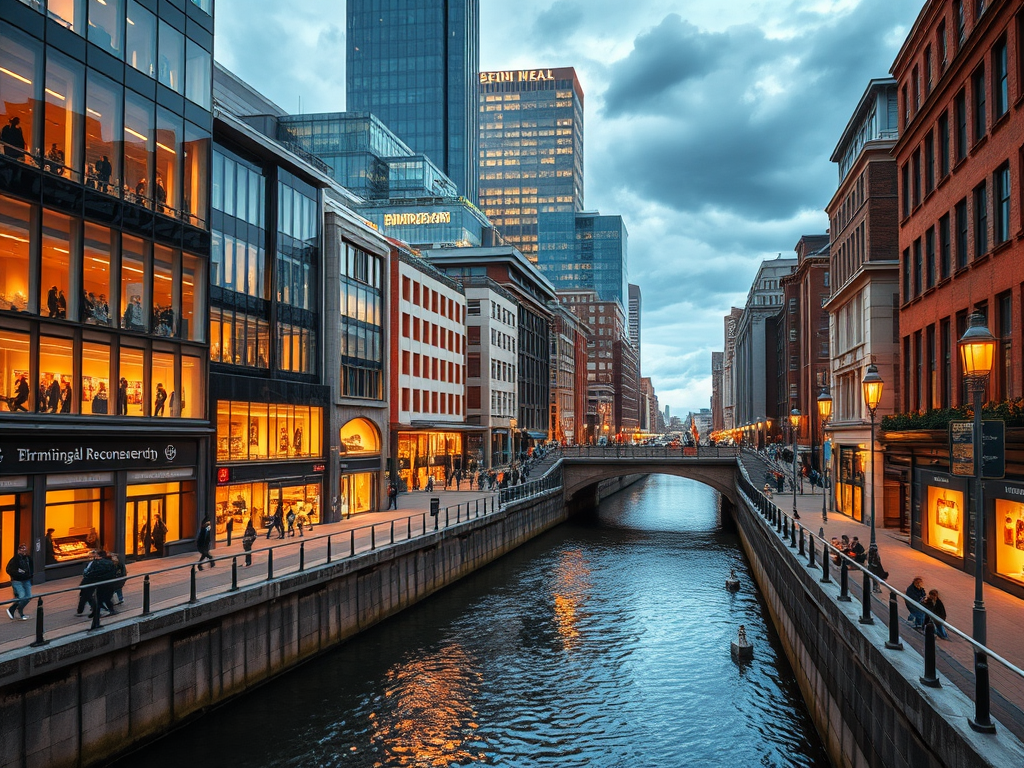
The final decade of the twentieth century was a period of renewal and redefinition for Birmingham. After decades of industrial decline and social difficulty, the city began to reshape its identity through regeneration, cultural investment, and a growing service based economy. While challenges remained, the 1990s marked a turning point in Birmingham’s modern history.
Birmingham at the start of the 1990s
In 1990, Birmingham was still dealing with the legacy of industrial contraction and high unemployment. Many traditional manufacturing jobs had disappeared, and parts of the city bore the scars of earlier economic hardship.
At the same time, there was a growing recognition that the city’s future depended on diversification, education, and investment in culture and infrastructure. Local leaders began to promote Birmingham as a modern, forward looking city rather than an industrial relic.
National politics and changing priorities
At the beginning of the decade, the Conservative government of Margaret Thatcher came to an end. She was succeeded in 1990 by John Major, who served as Prime Minister until 1997. Major’s government oversaw a period of economic recession in the early 1990s, followed by gradual recovery later in the decade.
In 1997, Labour returned to power under Tony Blair. His government placed greater emphasis on urban regeneration, public services, and cultural investment. These policy shifts supported Birmingham’s efforts to reinvent itself and attract national and international attention.
Economic recovery and a new direction
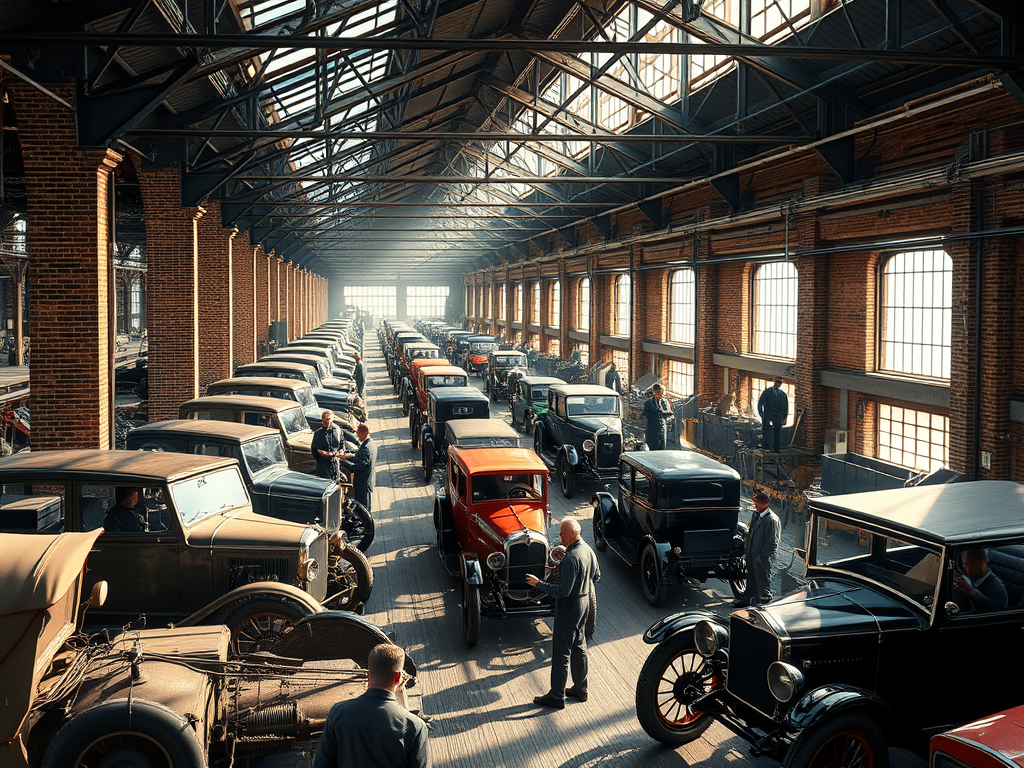
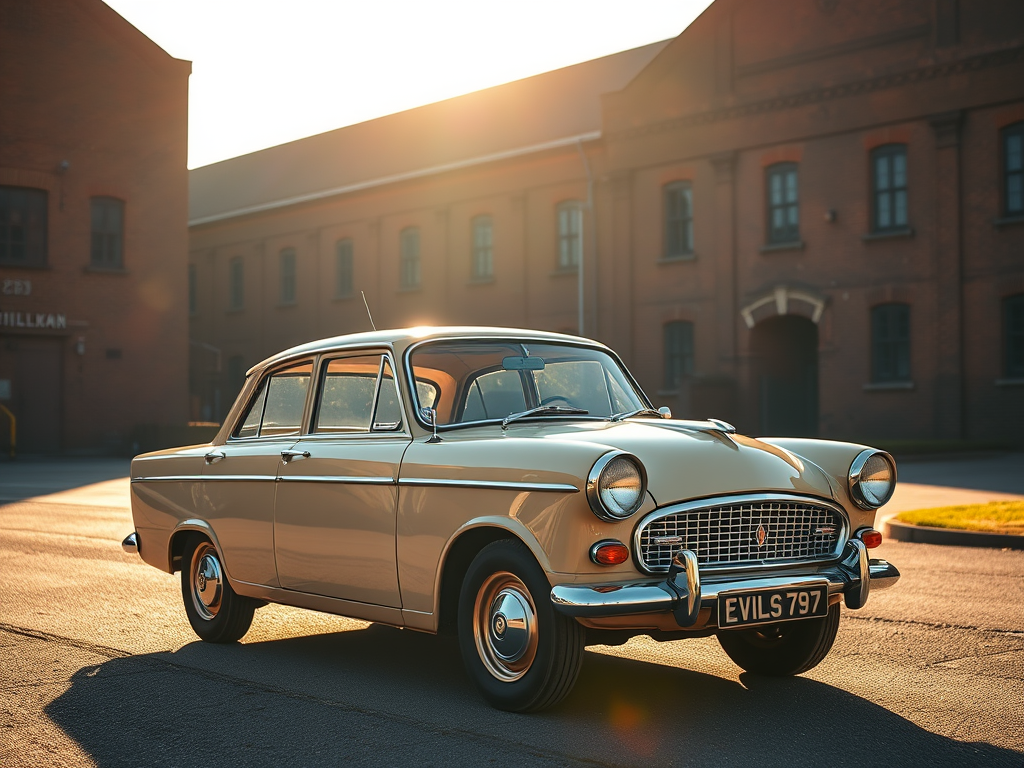
The 1990s saw continued decline in traditional manufacturing, but also the growth of new sectors. Financial services, retail, education, tourism, and conference business expanded significantly.
The development of major venues and business districts helped reposition Birmingham as a regional and national hub. The city increasingly promoted itself as a place for commerce, events, and higher education.
Regeneration and the changing city centre
Large scale regeneration transformed Birmingham’s city centre during the 1990s. New shopping areas, pedestrian spaces, and cultural buildings changed how residents and visitors experienced the city.
Historic canals were cleaned and redeveloped, turning former industrial spaces into desirable areas for leisure, housing, and offices. These changes played a major role in improving Birmingham’s image and boosting civic pride.
Housing and neighbourhood renewal
Housing policy during the 1990s focused increasingly on renovation rather than demolition. Older housing stock was improved, and partnerships between councils, housing associations, and private developers became more common.
While some areas benefited significantly from regeneration, others continued to face poverty and limited opportunity, highlighting ongoing inequalities across the city.
Daily life in the 1990s
Daily life became more varied and consumer oriented during the 1990s. Employment opportunities expanded in retail and services, although job security was often less stable than in the past.
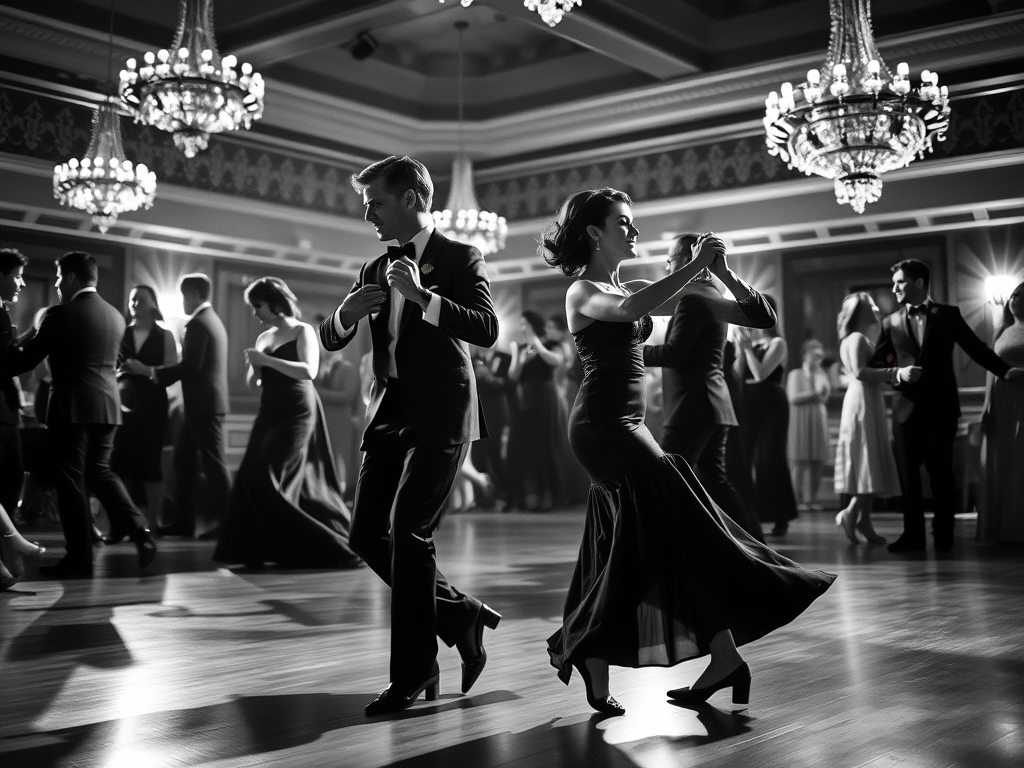
Leisure options increased, with cinemas, restaurants, and entertainment venues becoming more prominent. Home computers, mobile phones, and early internet access began to change how people worked, communicated, and socialised.
Immigration, identity, and multicultural Birmingham
Birmingham’s multicultural character became increasingly visible and celebrated during the 1990s. Communities with roots in South Asia, the Caribbean, Africa, and Eastern Europe contributed to the city’s social, cultural, and economic life.
Festivals, markets, and cultural institutions reflected a growing confidence in Birmingham’s diverse identity, even as debates about integration and inequality continued.
Religion and community networks
Religious life remained an important part of community cohesion. Churches, mosques, temples, and gurdwaras continued to provide spiritual guidance alongside practical support such as education, charity, and advice services.
Interfaith initiatives became more common, reflecting efforts to build understanding and cooperation across communities.
Culture, sport, and global attention
Birmingham’s cultural profile grew significantly during the 1990s. Music, theatre, and visual arts flourished, supported by new venues and public investment.
Major sporting and cultural events helped place the city on the global stage, reinforcing its image as a modern and confident urban centre.
Looking towards a new century
By the year 2000, Birmingham had undergone a remarkable transformation. While economic and social challenges remained, the city was no longer defined solely by industrial decline.
The decade from 1990 to 2000 represented renewal and ambition. Birmingham entered the twenty first century with a stronger sense of identity, a diversified economy, and renewed confidence in its future.


Leave a Reply