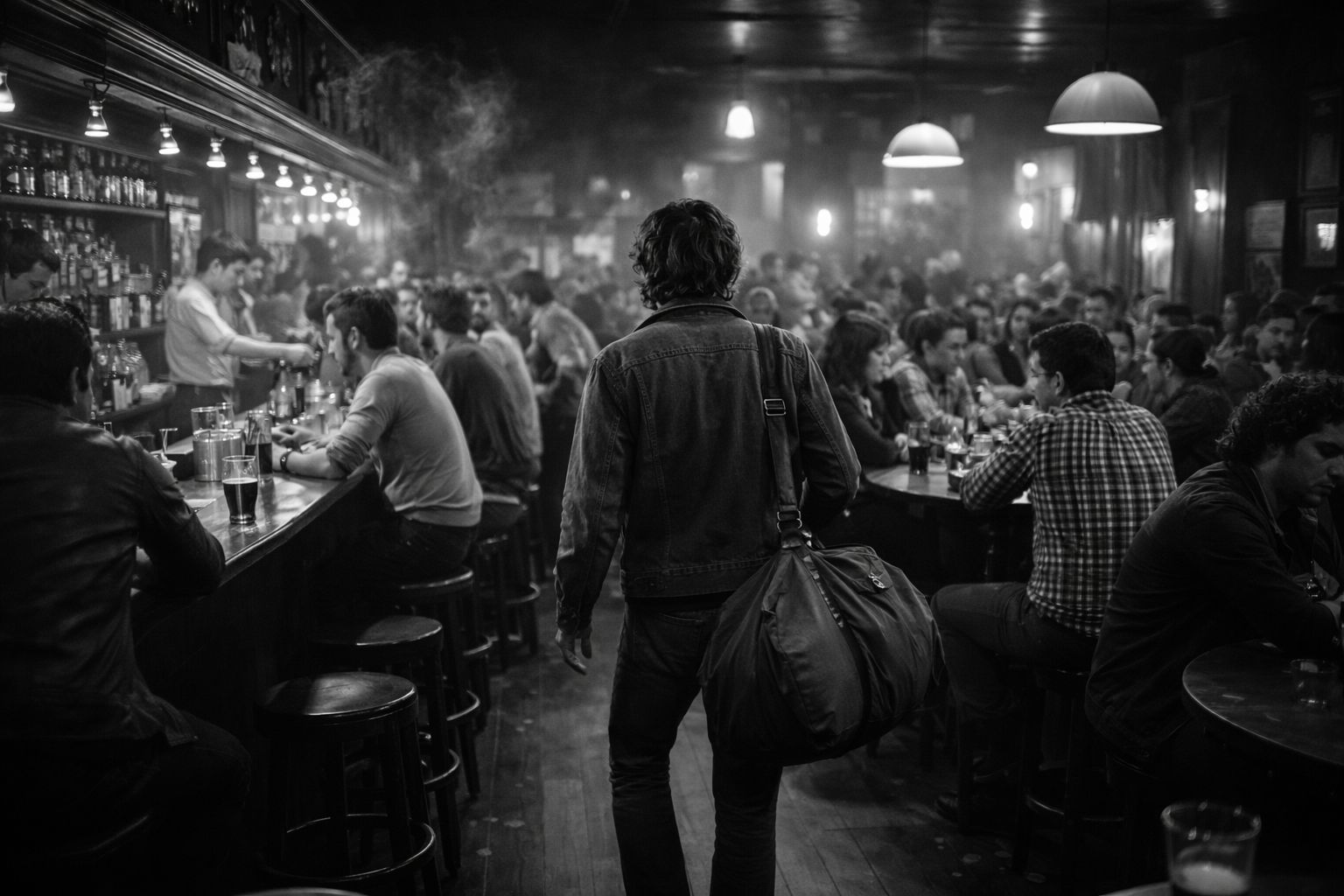
The Birmingham pub bombings were among the deadliest and most traumatic terrorist attacks to take place in mainland Britain during the twentieth century. Carried out on the evening of 21 November 1974, the attacks killed 21 people and injured more than 180 others. They left a lasting scar on the city and became a defining moment in the history of the conflict in Northern Ireland and its impact on Britain.
Birmingham in the context of the Troubles
By the early 1970s, Britain was deeply affected by the conflict known as the Troubles. This period of violence centred on Northern Ireland but increasingly spread to the British mainland. The Provisional Irish Republican Army, commonly known as the IRA, sought to end British rule in Northern Ireland through armed struggle and used bombing campaigns as a key tactic.
Birmingham, as a large industrial city with a busy nightlife and transport links, was seen as a symbolic and practical target.
The night of the bombings
On the evening of 21 November 1974, two bombs exploded in central Birmingham. The first detonated at the Mulberry Bush pub, located at the base of the Rotunda, and the second at the Tavern in the Town pub in New Street. Both venues were crowded with people socialising after work.
The explosions occurred within minutes of each other. The devastation was immediate and severe. Buildings were damaged, fires broke out, and emergency services struggled to cope with the scale of injuries. Twenty one people were killed, many of them young, and scores were left with life changing injuries.
Responsibility and the IRA
The attacks were attributed to the Provisional IRA, which was active in Britain at the time. Although warnings were claimed to have been issued, they were either inadequate or unclear, and no effective evacuation took place.
The bombings marked a turning point in public opinion. Sympathy for the republican cause among the British public collapsed almost overnight, replaced by widespread anger and fear.
The Birmingham Six and a miscarriage of justice
In the aftermath of the bombings, six Irish men were arrested and convicted of the attacks. Known as the Birmingham Six, they were sentenced to life imprisonment in 1975.
Over time, serious doubts emerged about the evidence used to convict them. Allegations of police misconduct, coerced confessions, and flawed forensic testing gained credibility. After years of campaigning, their convictions were quashed in 1991, and they were released after spending sixteen years in prison.
The case became one of the most notorious miscarriages of justice in British legal history and had a profound impact on public confidence in policing and the courts.
Impact on Birmingham’s Irish community
The bombings and the subsequent arrests had devastating consequences for Birmingham’s Irish community. Many innocent people experienced suspicion, hostility, and discrimination in the years that followed.
Irish pubs, social clubs, and community centres were subjected to surveillance, and ordinary families found themselves unfairly associated with terrorism. The long term damage to community relations was significant.
Political and legal consequences
The Birmingham pub bombings led directly to changes in British law. The Prevention of Terrorism Act was introduced shortly afterwards, giving police extended powers of detention and search.
While intended to improve security, the legislation was controversial and criticised for undermining civil liberties. The events raised lasting questions about the balance between public safety and justice.
Memory and remembrance
Today, the victims of the Birmingham pub bombings are remembered through memorials and annual commemorations. The attacks are recognised not only for their human cost but also for the lessons they revealed about justice, policing, and community relations.
For Birmingham, the bombings remain one of the darkest chapters in its modern history. They serve as a reminder of the impact of political violence on ordinary lives and the importance of truth, accountability, and remembrance.
A lasting legacy
The Birmingham pub bombings were more than an act of terrorism. They reshaped national attitudes, exposed deep flaws in the justice system, and left emotional scars that remain decades later.
Their legacy continues to influence how Britain understands the Troubles, how terrorism is addressed, and how vital it is to protect both security and justice in times of fear.






Leave a Reply