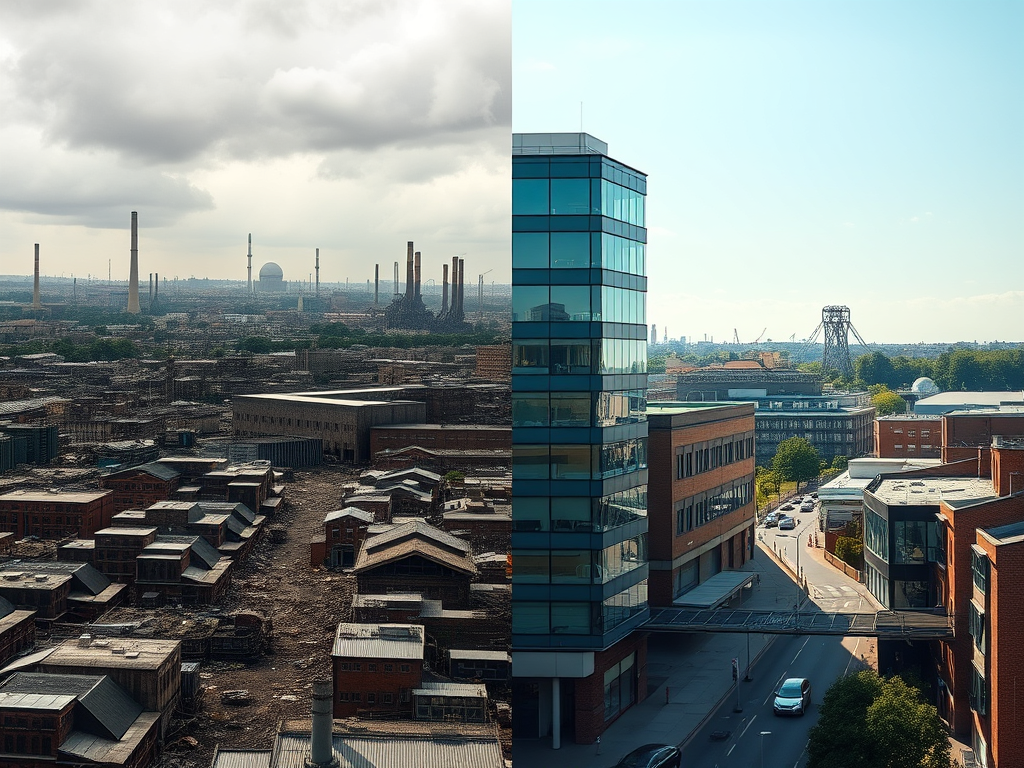
The 1980s were a decade of dramatic transformation for Birmingham. Economic upheaval, political change, and social tension defined the early years, while regeneration, cultural renewal, and new identities began to emerge by the end of the decade. It was a period that reshaped the city more fundamentally than any since the Second World War.
Birmingham at the start of the 1980s
At the beginning of the decade, Birmingham was suffering from the consequences of long term industrial decline. Manufacturing jobs continued to disappear, and unemployment reached levels not seen since the inter war years. Entire communities were affected by factory closures, particularly in traditional working class areas.
Poverty, poor housing, and a lack of opportunity shaped daily life for many residents. The optimism of earlier post war redevelopment had faded, leaving behind social and physical challenges that were increasingly difficult to ignore.
National politics and economic change
National politics during the 1980s were dominated by Conservative Prime Minister Margaret Thatcher, who held office from 1979 to 1990. Her government pursued policies of privatisation, reduced public spending, and weakened trade union power.
These changes had a profound impact on Birmingham. The decline of heavy industry accelerated, and government support for manufacturing was reduced. While supporters argued that reform was necessary, critics pointed to rising unemployment and social inequality as evidence of its cost.
Industry, jobs, and unemployment
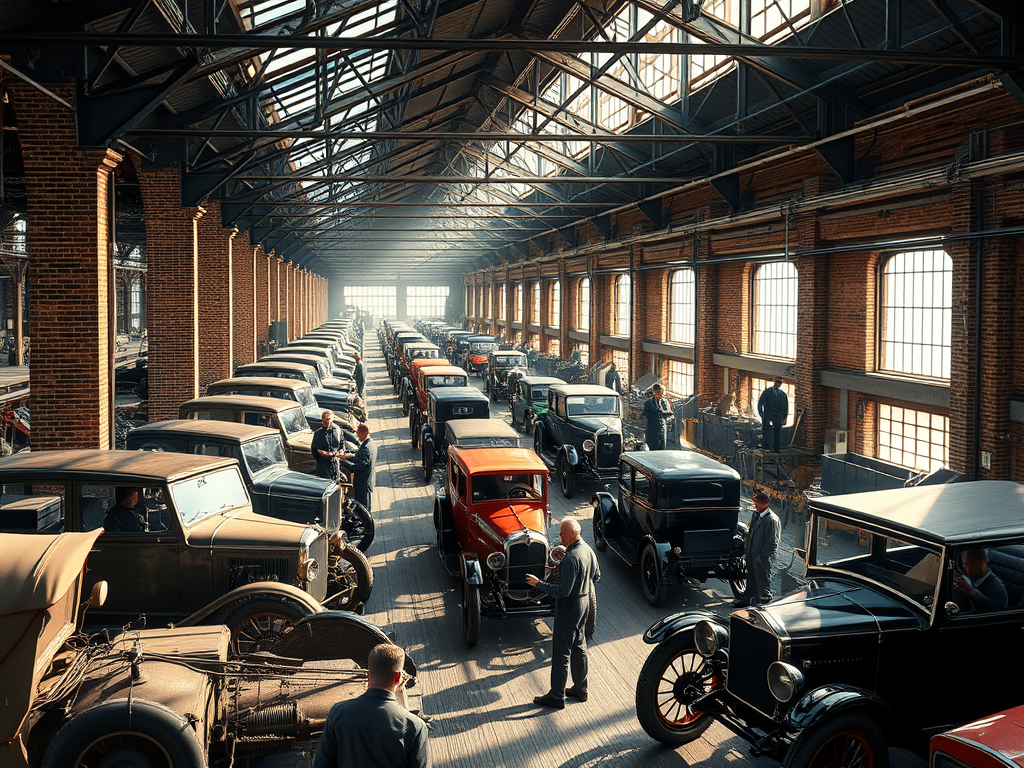
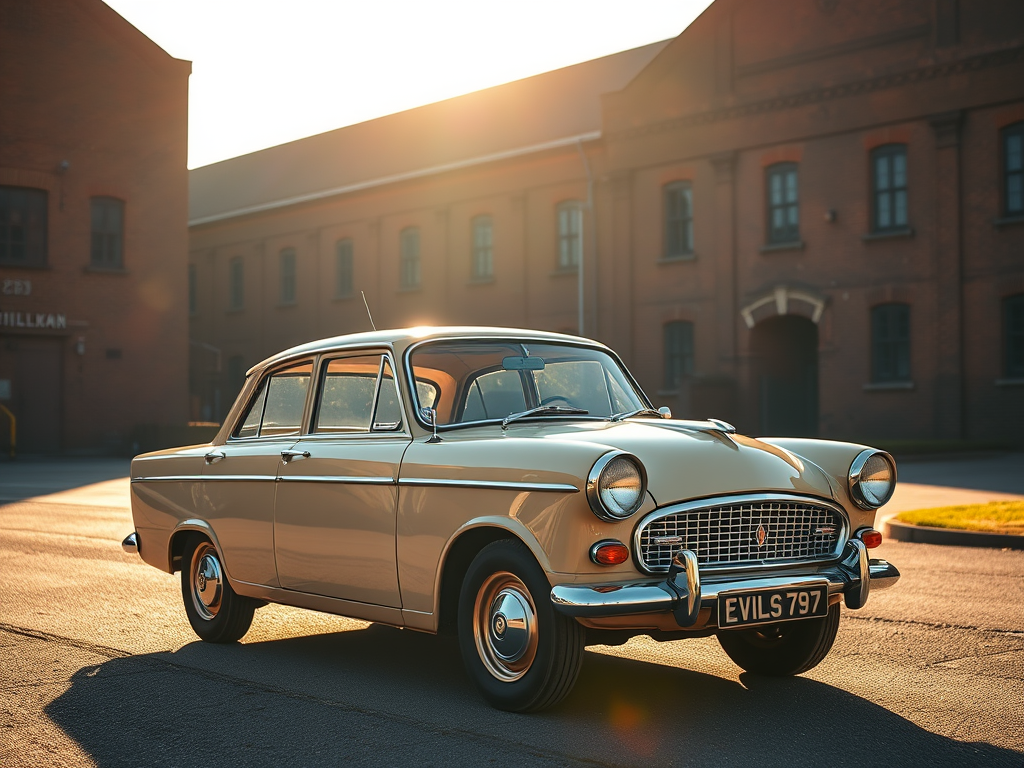
Manufacturing, once the backbone of Birmingham’s economy, continued to contract throughout the decade. Car production, metalworking, and engineering industries suffered heavy losses, and long established factories closed or downsized.
Unemployment remained high for much of the 1980s, particularly among young people and minority communities. Job insecurity became a defining feature of working life, and many families experienced prolonged financial hardship.
At the same time, efforts were made to diversify the economy. Service industries, finance, retail, and tourism began to grow, signalling a shift away from traditional industrial dependence.
Inner city unrest and social tension
The early 1980s were marked by serious social unrest. In 1981, disturbances in areas such as Handsworth reflected deep frustration over unemployment, policing, housing conditions, and racial inequality.
These events shocked the city and the nation, forcing greater attention on urban deprivation and social exclusion. Community relations and regeneration became central concerns for local authorities throughout the decade.
Housing and urban regeneration
Large scale redevelopment became a priority during the 1980s. Older high rise housing estates were reassessed, and new approaches to urban planning emerged. There was a growing emphasis on renovating existing housing and improving neighbourhood environments rather than wholesale demolition.
Major regeneration projects transformed parts of the city centre. Shopping developments, office complexes, and cultural venues helped reshape Birmingham’s image and attract investment.
Daily life in a changing city
For many households, daily life in the 1980s was marked by economic pressure and uncertainty. Budgeting was essential, and reliance on benefits increased for those out of work.
At the same time, consumer culture expanded. Home ownership was encouraged, credit became more accessible, and new shopping centres altered how people spent their leisure time.
Immigration, identity, and community life
Birmingham’s diverse population continued to grow and mature during the 1980s. Communities established in earlier decades strengthened their cultural, religious, and social institutions.
Despite ongoing challenges, there was a growing sense of confidence and identity among many groups. Cultural festivals, community organisations, and local businesses played an increasing role in shaping neighbourhood life.
Religion and social support
Religious institutions remained important sources of support and stability. Churches, mosques, temples, and gurdwaras were active not only in worship but also in education, charity, and community cohesion.
Faith groups were often at the forefront of responses to poverty, youth unemployment, and social tension, offering practical help and a sense of belonging.
Music, culture, and creativity
The 1980s were a powerful period for Birmingham’s cultural life. The city produced influential music, art, and fashion scenes that reflected both hardship and creativity.
Independent venues, youth clubs, and community arts projects provided spaces for expression and helped redefine Birmingham’s cultural reputation nationally and internationally.
A city reimagining its future
By 1990, Birmingham was no longer the industrial giant it had once been, but it was beginning to reinvent itself. Regeneration, cultural confidence, and economic diversification pointed towards a new direction.
The decade from 1980 to 1990 was one of conflict, hardship, and adjustment, but it also marked the beginning of renewal. Birmingham entered the 1990s with a clearer understanding of its challenges and the foundations of a more diverse and adaptable future.



Leave a Reply