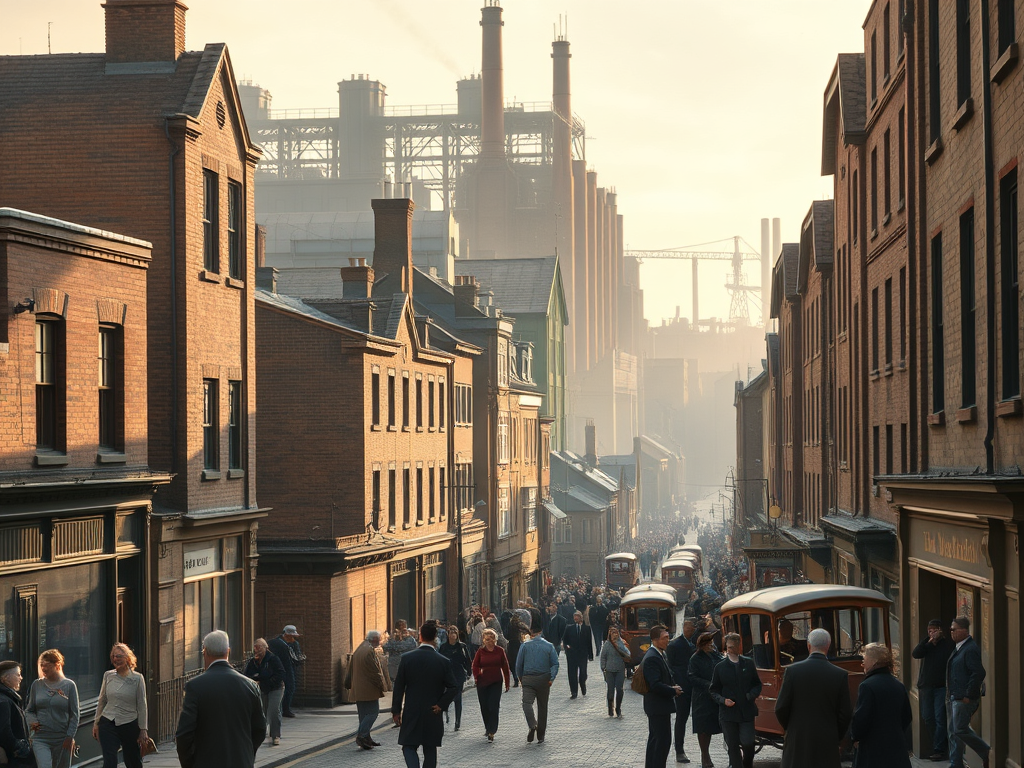
The decade following the First World War was a period of adjustment, uncertainty, and gradual renewal in Birmingham. The city emerged from the conflict changed by loss, industrial disruption, and shifting social expectations. Between 1920 and 1930, Birmingham worked to rebuild its economy, reshape its communities, and define its place in a rapidly changing Britain.
Birmingham in the Post War Years
In 1920, Birmingham was a large and complex city still marked by the effects of war. Many neighbourhoods had lost a generation of young men, and memorials to the fallen appeared in churches, factories, and public spaces. The population continued to grow, though unevenly, as returning soldiers sought work and stability.
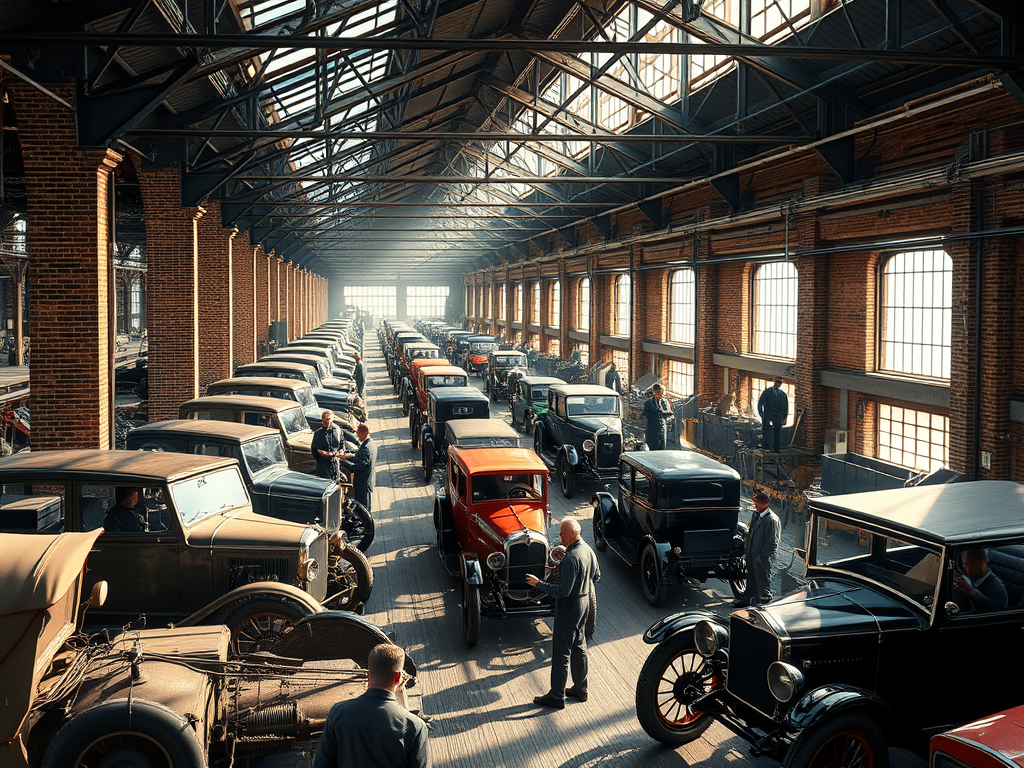
Industrial production shifted away from wartime output and back toward civilian goods. Factories that had produced munitions began manufacturing consumer products such as bicycles, motor vehicles, domestic appliances, and metal goods. Birmingham’s ability to adapt its industries remained one of its greatest strengths.
Politics and National Leadership
Nationally, the 1920s were politically unstable. David Lloyd George remained Prime Minister until 1922, after which several short lived governments followed under both Conservative and Labour leadership. These changes reflected wider social tensions caused by unemployment, industrial unrest, and economic uncertainty.
Government involvement in housing, welfare, and employment continued to grow. Birmingham, with its large working population, was deeply affected by national debates over social reform and economic policy.
Industry, Employment, and Unemployment
While some Birmingham industries recovered quickly, others struggled. International competition and reduced demand led to periods of high unemployment, particularly in heavy industry and traditional trades. Skilled workers often fared better than unskilled labourers, but job insecurity was common throughout the decade.
New industries offered hope. Motor vehicle manufacturing, electrical goods, and engineering expanded, helping to modernise the city’s economy. Small workshops continued to operate alongside larger factories, maintaining Birmingham’s diverse industrial character.
Trade unions were increasingly active, negotiating wages and working conditions in a climate of economic pressure. Strikes and industrial disputes occurred, reflecting wider national unrest.
Housing and Suburban Growth
One of the most significant developments of the 1920s was the expansion of council housing. Determined to address overcrowding and poor living conditions, the city invested in new housing estates on the outskirts of Birmingham. These developments offered improved sanitation, gardens, and healthier environments for working families.
As a result, suburban areas grew rapidly. Improved public transport made it possible for people to live further from their workplaces, reshaping the city’s geography and social life.
Daily Life and the Home
Life at home improved gradually during the decade. Electricity became more common, particularly in newer housing, and gas appliances eased some domestic labour. Women’s roles continued to evolve, though many were encouraged to return to domestic life after wartime employment.
Household budgets remained tight for many families, and careful management of money was essential. Simple pleasures such as radio listening, home entertainment, and outings to the cinema became increasingly popular and affordable.
Religion and Community Life
Religion remained an important part of community life in Birmingham during the 1920s. Anglican, Methodist, Baptist, Quaker, and Catholic churches continued to serve their neighbourhoods, offering worship, education, and social support.
Churches and chapels played an active role in helping families affected by unemployment and poverty. Youth groups, women’s organisations, and charitable schemes helped maintain community cohesion during difficult times.
Leisure, Culture, and Entertainment
The 1920s brought new forms of leisure and entertainment. Cinemas flourished across Birmingham, providing escapism and affordable enjoyment. Music halls remained popular, while dance halls reflected changing social attitudes and a growing youth culture.
Sport also played a major role in city life. Football clubs attracted large crowds, and organised sport became an important outlet for recreation and civic pride.
Challenges and Change
Despite signs of progress, the decade was far from easy. Economic instability, unemployment, and class divisions continued to shape daily life. For many families, the memory of wartime sacrifice remained close, and concerns about future security were never far away.
At the same time, expectations had changed. Better housing, government responsibility, and improved living standards were increasingly seen as rights rather than privileges.
A City Looking Forward
By 1930, Birmingham had made significant strides toward recovery and modernisation. New housing estates, expanding industries, and changing social attitudes reflected a city adapting to post war realities.
Although challenges remained, Birmingham entered the new decade with cautious optimism. The experiences of the 1920s had reshaped the city’s identity, preparing it for the further trials and transformations that lay ahead in the turbulent years of the twentieth century.





Leave a Reply