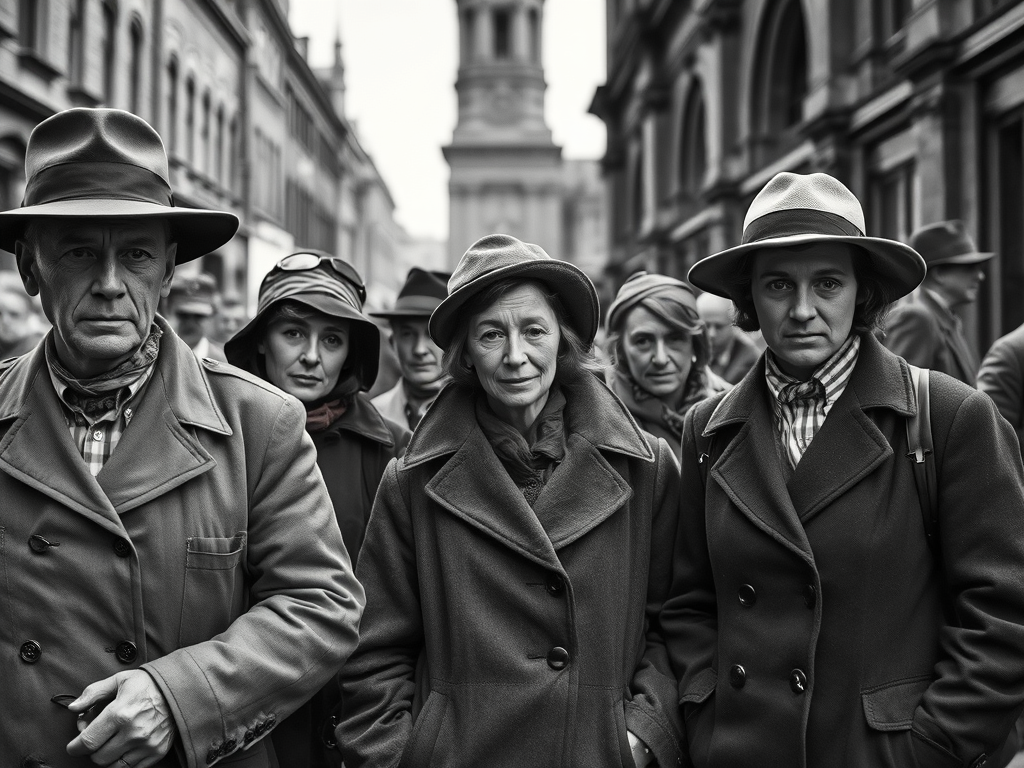
The decade from 1930 to 1940 was a period of hardship, endurance, and growing uncertainty for Birmingham. It began in the shadow of the global economic depression and ended with the outbreak of the Second World War. During these years, the city faced unemployment, social strain, and political anxiety, while also laying the foundations for wartime mobilisation and change.
Birmingham during the Great Depression
In 1930, Birmingham was still recovering from the instability of the previous decade when the effects of the worldwide economic depression took hold. Demand for manufactured goods fell sharply, and many factories reduced production or closed altogether. Unemployment rose, particularly among unskilled and semi skilled workers.
Although Birmingham’s diverse industrial base helped cushion the worst effects compared with some single industry towns, hardship was widespread. Many families experienced long periods without steady income, relying on savings, charity, or assistance from local authorities to survive.
National Politics and Leadership
The early 1930s were marked by political uncertainty across Britain. Governments struggled to respond to mass unemployment and economic decline. A National Government was formed in 1931, bringing together politicians from different parties in an attempt to stabilise the economy.
Debates over public spending, unemployment relief, and rearmament shaped national policy. For Birmingham, these decisions affected employment levels, housing investment, and preparations for the possibility of future conflict.
Industry and Employment
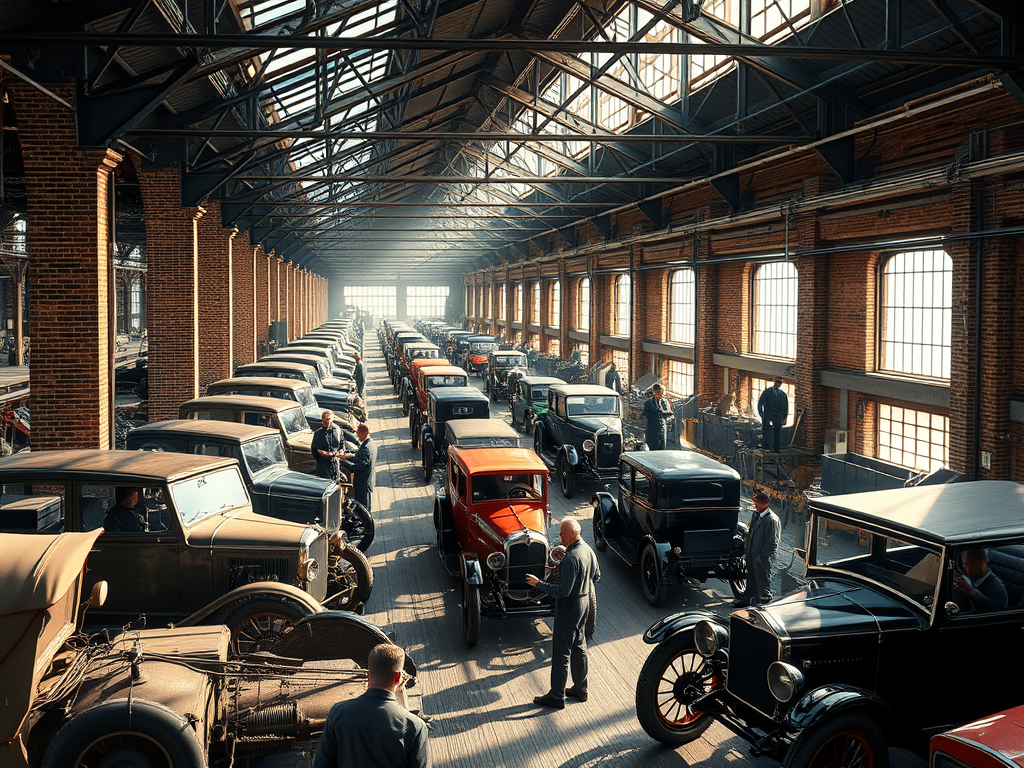
Industrial life in Birmingham during the 1930s was uneven. Some traditional trades declined as demand weakened, while newer industries began to grow. Engineering, electrical goods, and motor vehicle manufacturing slowly expanded as the decade progressed, particularly in the latter years.
By the mid 1930s, rearmament programmes began to stimulate industrial recovery. Factories increasingly received government contracts for aircraft parts, vehicles, and military equipment. This led to a gradual reduction in unemployment and renewed activity in workshops and factories across the city.
Housing and Living Conditions
Housing remained a major concern throughout the decade. Slum clearance continued, and new council estates expanded on the outskirts of Birmingham. These homes offered improved sanitation, separate bedrooms, and gardens, representing a significant improvement in living standards for many working families.
Despite these advances, overcrowding persisted in older inner city areas. Families affected by unemployment often struggled to maintain rent payments, and housing insecurity remained a constant worry.
Daily Life and Household Economy
For many households, daily life in the 1930s was defined by careful budgeting and restraint. Food was plain but filling, clothing was mended and reused, and waste was avoided wherever possible. Community support and neighbourly cooperation were essential coping mechanisms.
Electricity and gas were increasingly common, particularly in newer homes. Radio ownership expanded rapidly, bringing news, music, and entertainment into living rooms and providing a shared national experience during difficult times.
Religion and Community Life
Religion continued to play an important role in Birmingham’s social fabric. Churches and chapels of all denominations offered stability and support in an era of uncertainty. Anglican parishes, Methodist chapels, Catholic churches, and other congregations provided spiritual guidance as well as practical help.
Religious organisations ran food schemes, clothing drives, youth clubs, and social events. For many people facing unemployment or anxiety about the future, churches remained centres of reassurance and community identity.
Leisure, Culture, and Escape
Despite economic hardship, leisure remained important. Cinemas were hugely popular, offering affordable escape from everyday worries. Music halls and dance venues also attracted audiences, reflecting changing tastes and a growing youth culture.
Sport continued to unite the city. Football matches drew large crowds, and local teams provided a source of pride and distraction during difficult years.
The Approach of War
As the decade progressed, international tensions increasingly shaped life in Birmingham. News of events in Europe filled newspapers and radio broadcasts. Air raid precautions were introduced, including blackout preparations, gas mask distribution, and civil defence training.
Factories began shifting once again toward wartime production. The memory of the First World War remained strong, and there was a growing sense that another conflict was approaching.
A City on the Brink of Transformation
By 1940, Birmingham stood on the threshold of another profound transformation. The challenges of the 1930s had tested the city’s resilience, but they had also strengthened its capacity for adaptation.
Although the decade had been marked by hardship and uncertainty, it had prepared Birmingham for the demands of total war. The city entered the Second World War seasoned by economic struggle, bound by strong community ties, and ready to play a central role in Britain’s national effort.





Leave a Reply