
Cradley Heath is one of the oldest established settlements in the western Birmingham area and one of the most distinctive towns of the Black Country. Long before factories and forges appeared, Cradley was a Saxon manor set within woodland and open farmland. Its name comes from “Cradda’s Ley”, meaning Cradda’s clearing, reflecting its early origin as a patch of cultivated land cut from the surrounding forest. The settlement is recorded in the Domesday Book of 1086 as part of the estates of William Fitz-Ansculf of Dudley, one of the Norman lords who controlled much of the land across what would later become Birmingham and the Black Country.
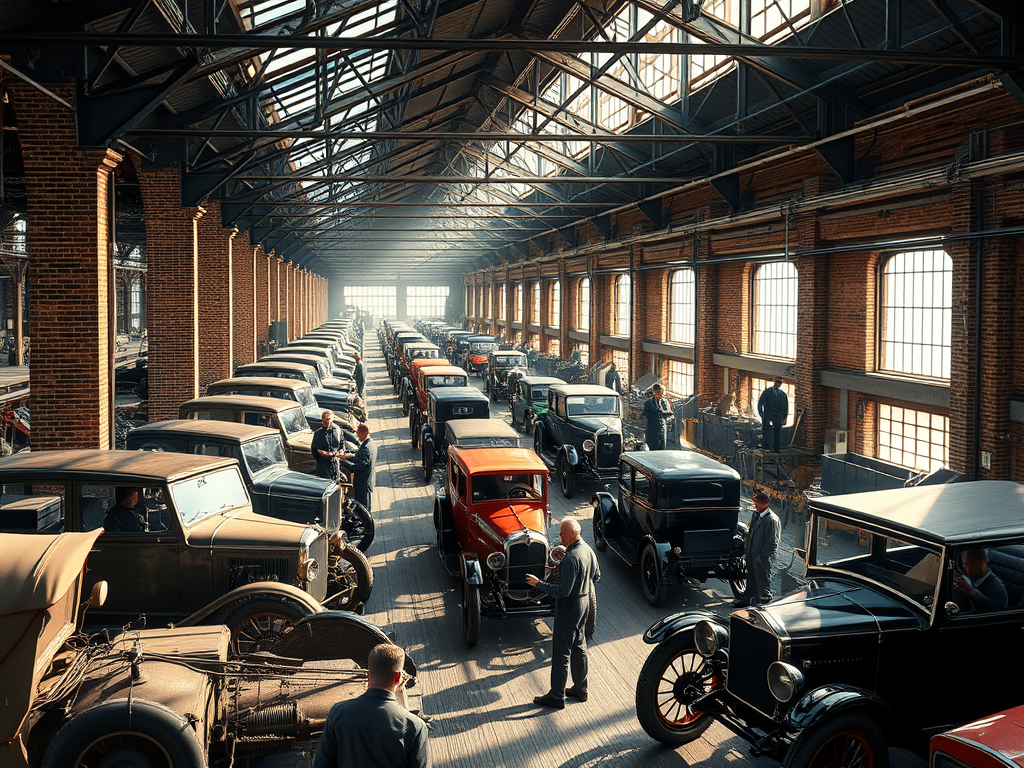
For centuries Cradley remained agricultural, with scattered farms, cottages and small hamlets, but the Industrial Revolution transformed it completely. Coal, ironstone and limestone were worked in the surrounding hills, and Cradley Heath grew rapidly into a dense industrial town of forges, chain shops, ironworks and engineering yards. By the nineteenth century it was one of the most heavily industrialised places in the Black Country, producing chains, nails, iron fittings and components that were sold across Britain and exported around the world.
Cradley Heath also became nationally significant for its social history. The town was at the heart of the famous women chain makers’ movement, when female workers fought against poverty wages and won one of the earliest forms of minimum pay in Britain. This gave Cradley Heath a lasting place in labour history and reflects the toughness and independence that has long defined the area.
Historically Cradley Heath was closely linked with Halesowen and Worcestershire, but in 1974 local government reorganisation placed it within the Metropolitan Borough of Dudley, severing those older administrative ties and bringing it firmly into the modern Black Country. Despite the change in boundaries, its identity remained shaped by its industrial roots rather than suburban Birmingham.
As traditional heavy industry declined in the late twentieth century, most of Cradley Heath’s ironworks and foundries closed. Some sites became industrial parks or small workshops where engineering trades continue, but many others fell into decay, leaving behind a landscape of old yards, brick buildings and derelict factories that still tell the story of its working past. Yet Cradley Heath has never become a museum town — it remains a living, working place with small manufacturers, tradespeople and family businesses still operating.
Cradley Heath was once home to a famous speedway team that became a major part of the town’s sporting identity. Cradley Heath Speedway, often called the Cradley Heath Heathens, opened in 1947, racing at Willes Road Stadium and quickly becoming one of Britain’s most popular speedway venues with a passionate local following. The Heathens enjoyed success through the 1970s and 1980s, attracting large crowds and featuring many of the sport’s top riders. However, like many traditional stadium sports in the late twentieth century, financial pressures and issues with the lease on the stadium led to the club’s closure in 1995.
The town centre retains a strong Black Country character. Its High Street is lined with independent shops, cafés and takeaways, and there are many traditional working-class pubs that continue to act as social anchors for the community. Cradley Heath and nearby Lye are also well known for their South Asian food scene, with popular curry houses reflecting the area’s diverse and long-established population.
Just a short distance away lies the Merry Hill Shopping Centre, which has brought convenience, jobs and modern retail to local residents. At the same time it has drawn trade away from smaller high-street shops, contributing to the decline of independent retail in a town that was already feeling the effects of industrial collapse.
Although much of Cradley Heath’s historic fabric has been altered or lost, important traces of its past remain. Old churches, cemeteries, pub buildings and surviving industrial structures still mark out the town’s long story from Saxon manor to industrial powerhouse. Above all, Cradley Heath remains a place shaped by hard work, resilience and community, and its Black Country roots continue to define its character today.





Leave a Reply