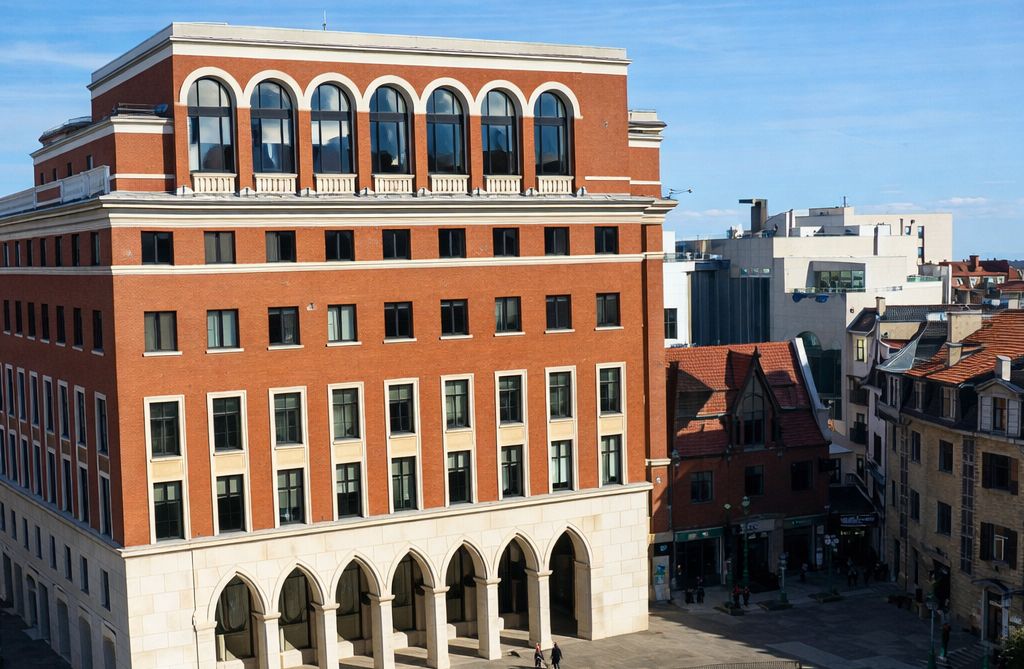
Brindleyplace is a 17-acre mixed-use redevelopment site on a grand scale, the largest of its kind in the UK. The architecture is spacious, modern, and visually pleasing, blending well with its surroundings. A definite asset to the city, Brindleyplace backs onto the historic canal, with its stylish bars and restaurants, and is close to the National Indoor Arena and the National Sea Life Centre.
Brindleyplace is one of Birmingham’s most successful regeneration districts, lying alongside the canals between Broad Street, Ladywood and the city centre. It occupies land that was once at the heart of Birmingham’s industrial and transport network, and its transformation into a modern business and leisure quarter is one of the clearest examples of how the city has reinvented itself.
The area takes its name from James Brindley, the eighteenth-century engineer who designed much of Birmingham’s canal system. For more than a century this land was filled with canal basins, warehouses, coal wharves and engineering yards, handling the raw materials that fed Birmingham’s factories. Barges loaded with coal, iron and finished goods passed through the area day and night, making it one of the busiest inland ports in the country.
Development at Brindleyplace began in 1994 and work is now almost complete. Across Birmingham, further major development phases continue to take place. The city is undergoing a comprehensive modernisation programme aimed at establishing Birmingham as a leading European city.
Although substantial in scale, Brindleyplace is no longer Birmingham’s most expensive development. The Brindleyplace project and surrounding canal-side apartments have been completed at an estimated cost of around £400 million.
For more photographs of Brindleyplace, click here







Leave a Reply