
Hay Mills is a historic district in the east of Birmingham, lying between Small Heath, Yardley and Tyseley and stretching along the valley of the River Cole. It developed as a distinct place long before the surrounding suburbs grew together, and its character has always been shaped by water, industry and transport links. Today it is mainly covered by the Tyseley & Hay Mills ward, but the name Hay Mills is still widely used by residents and businesses and remains firmly rooted in local identity.
The name Hay Mills comes from the medieval corn and blade mills that once stood along the River Cole, using the steady flow of water to grind grain and process hay and fodder for the farms that surrounded Birmingham at the time. By the eighteenth and nineteenth centuries these water-powered mills were joined by rolling mills and metalworking sites as Birmingham’s industrial revolution spread outwards from the town centre. Hay Mills became one of the city’s important industrial corridors, producing rolled metal, tools and components that fed into the workshops of Small Heath, Digbeth and later the growing motor industry.
One of the most important landmarks in the area is the River Cole itself, which still marks the historic boundary between Birmingham and what was once rural Warwickshire. The river valley gave Hay Mills its reason to exist and, despite heavy industrialisation, parts of it remain green today as part of the Cole Valley route, a chain of parks, footpaths and wildlife corridors that run through this side of the city.
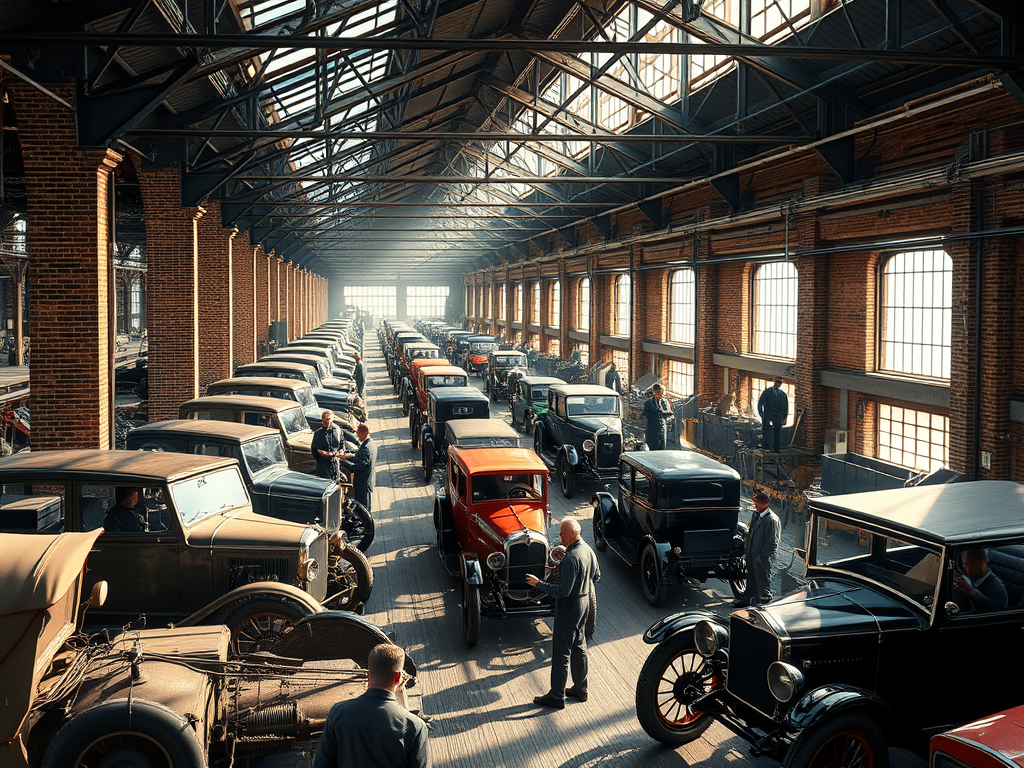
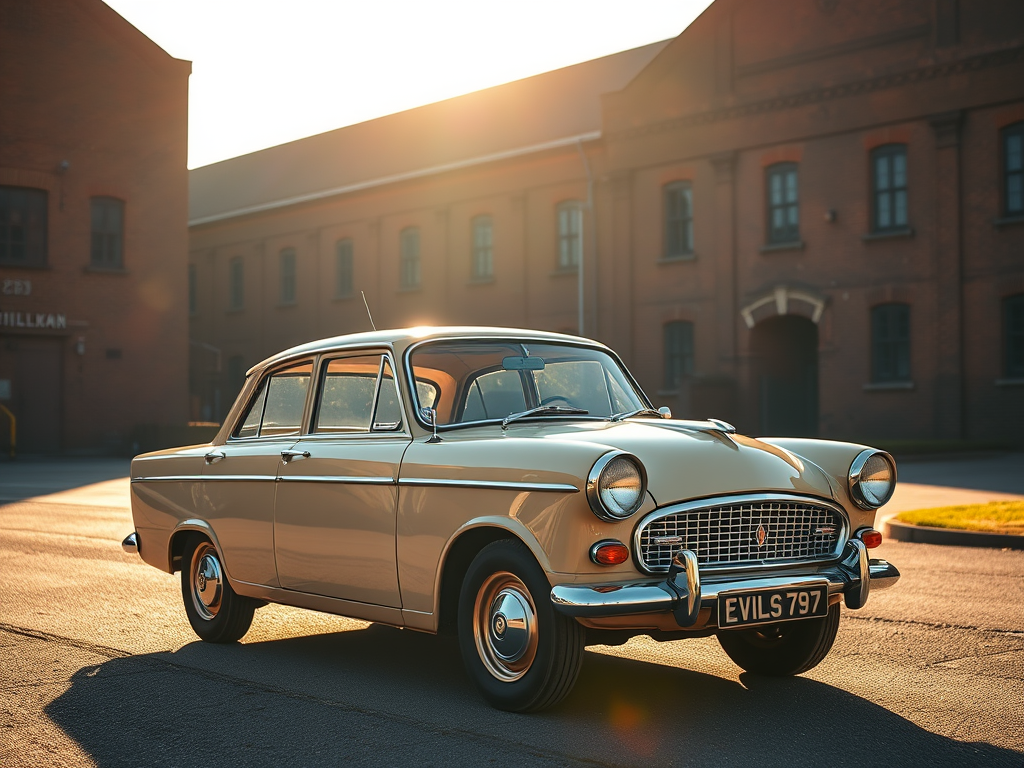
Another key feature of Hay Mills is its long association with transport and manufacturing. The area sits beside Coventry Road, one of Birmingham’s main eastern routes, and close to the railway lines that served Tyseley and Small Heath. This made it an ideal location for factories, depots and warehouses, many of which supplied Birmingham’s great engineering firms. In the twentieth century Hay Mills became closely linked to the car and metal trades, with works producing parts, pressings and equipment for companies such as Rover, Lucas and other Midlands manufacturers.
Hay Mills is also remembered for the Hay Mills Factory area, a cluster of industrial buildings and works that became a major employer for local families for generations. Although many of the original mills and factories have closed or been redeveloped, the industrial estates that replaced them continue to play a role in Birmingham’s economy, hosting logistics firms, light engineering and service businesses.
Despite its industrial past, Hay Mills has always been closely tied to nearby residential communities. Streets of terraced housing spread out towards Small Heath and Yardley, creating a working-class neighbourhood where people could live within walking distance of the mills, workshops and later the big factories of Tyseley. Local shops, pubs and places of worship grew up to serve this population, giving Hay Mills a strong community life that has survived even as the industries have changed.
Today Hay Mills is a place where Birmingham’s history is still written into the landscape. The River Cole, the old industrial plots, the busy Coventry Road and the surrounding housing all tell the story of how a small riverside milling area became part of one of Britain’s greatest industrial cities. While it may not always be highlighted on modern maps, Hay Mills remains an important and distinctive part of Birmingham’s east side, linking the city’s medieval past with its industrial and modern identity.




Leave a Reply