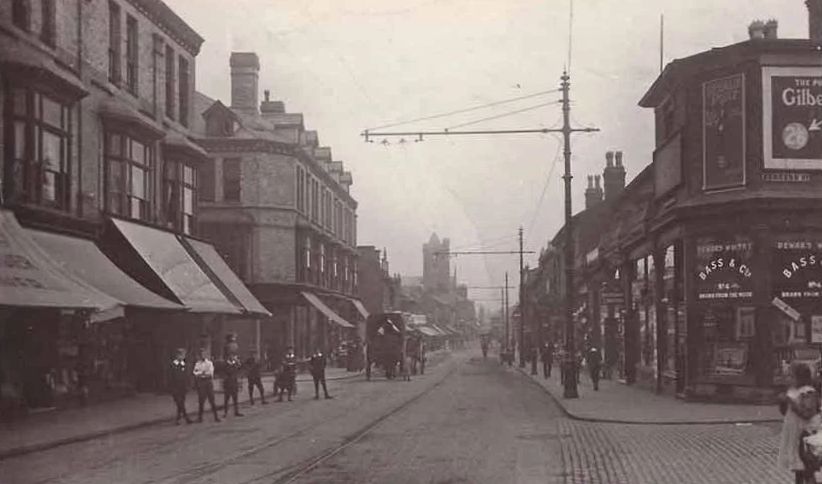
Lozells is one of Birmingham’s most distinctive inner-city districts, lying between Handsworth, Hockley and Aston. Its story reflects many of the wider changes that shaped Birmingham, from rural village to industrial suburb and then to one of the city’s most culturally diverse neighbourhoods.
Originally Lozells was a small rural hamlet, centred on farms and open fields just outside the old town of Birmingham. The name is believed to come from a family called Loles or Lozel, who held land in the area in medieval times. For centuries the district remained agricultural, with narrow lanes linking it to Handsworth and the countryside to the north.
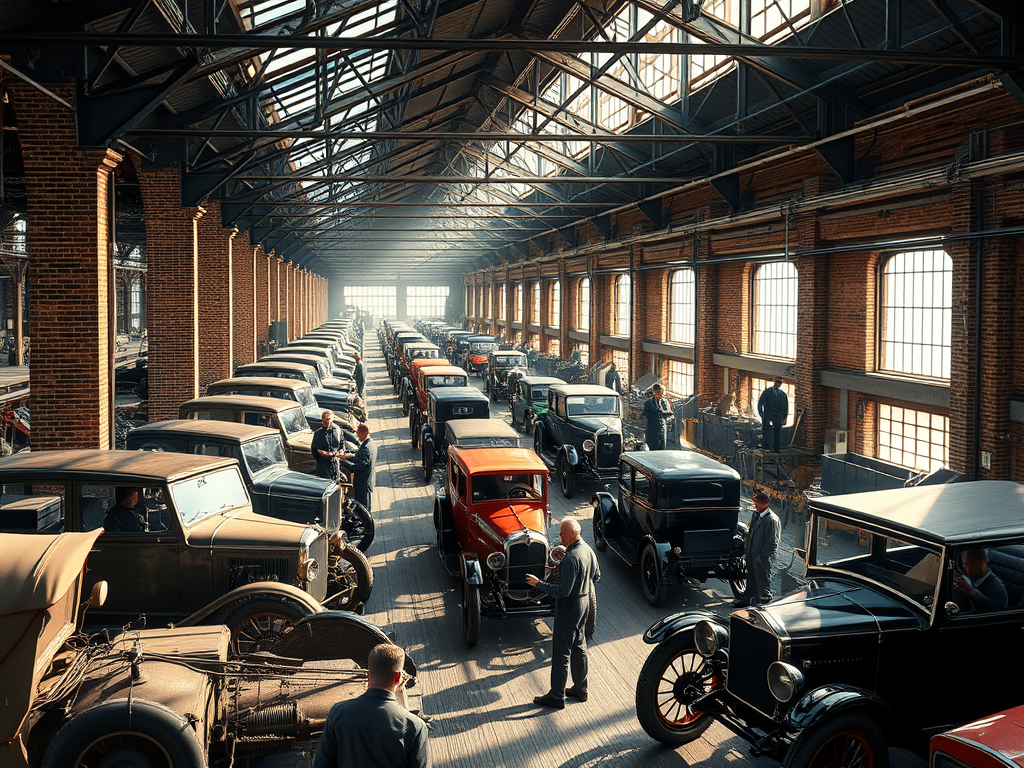
The area changed rapidly in the nineteenth century as Birmingham expanded. Lozells became densely built with terraced houses, courts and small workshops to house workers employed in nearby factories, foundries and engineering works. Its position close to Hockley, Jewellery Quarter and the industrial districts of north Birmingham made it a typical Victorian working-class neighbourhood.
One of Lozells’ most important historic landmarks is St Paul’s Church, built in the 1890s, which became a focal point for community life and social reform. The district also developed a busy commercial strip along Soho Road, lined with shops, cinemas, cafés and markets that served the surrounding neighbourhoods.
In the post-war period Lozells became home to new communities from the Caribbean, South Asia and later Africa and Eastern Europe. This transformed the area’s culture and economy, with new businesses, places of worship and social organisations reshaping the streets. Lozells became one of Birmingham’s most multicultural districts, known for its food, music and lively street life.
Despite challenges, Lozells has retained a strong sense of local identity. Its Victorian housing stock, historic churches and long-established high street stand alongside new community institutions and enterprises. Today Lozells reflects Birmingham’s continuing evolution, combining its industrial-era foundations with the energy and diversity of a modern global city.





Leave a Reply