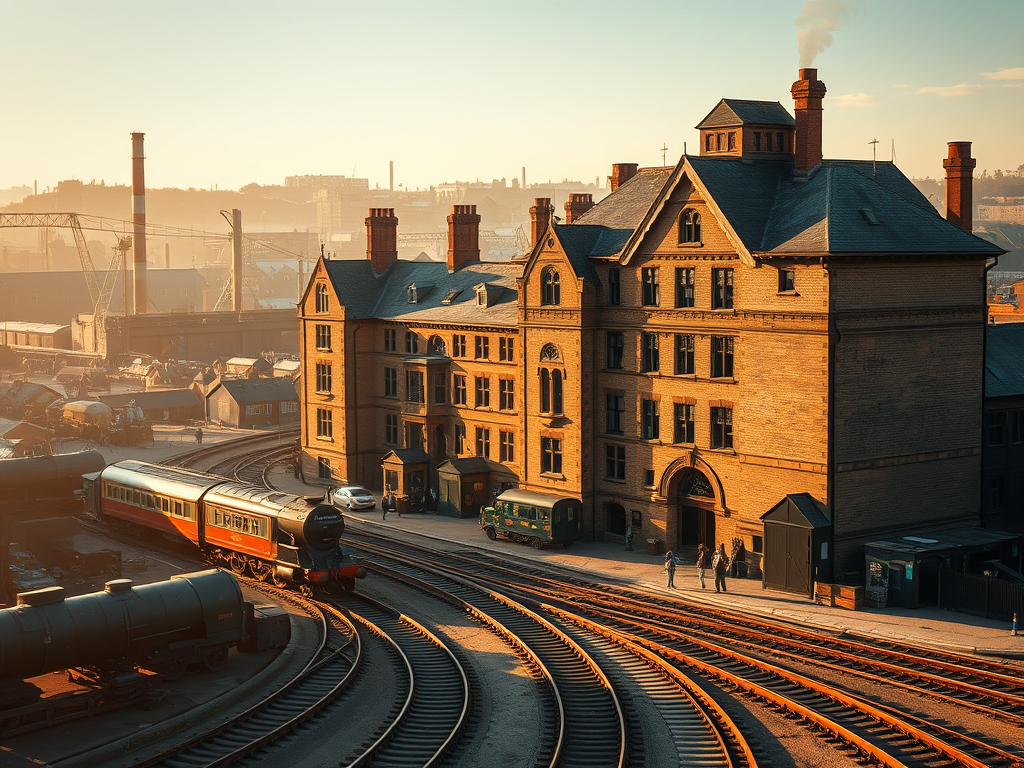
Duddeston East is a historic inner-city district of Birmingham, lying between Nechells, Aston, Digbeth and the city centre. For much of its existence it has been shaped by railways, factories and working-class housing, making it one of the key areas that powered Birmingham’s rise as an industrial city.

Duddeston Manor was one of the oldest estates in east Birmingham, dating back to medieval times when the area was farmland beside the River Rea. It later became Duddeston Hall, a Georgian country house set in landscaped parkland and owned by the family of James Watt, the famous engineer. As Birmingham expanded during the Industrial Revolution, the estate was gradually built over, and the hall was demolished in the late nineteenth century. Today, nothing remains of the manor itself, but its name survives in the district of Duddeston, which grew out of its former lands.

Duddeston Barracks was a large military complex built in 1793 on Great Brook Street in Birmingham, following the Priestley Riots, to house cavalry troops close to the city. It later served various army units, including the Royal Horse Artillery and medical corps during the First World War. The barracks became outdated as the city expanded and were demolished in 1932, with the site later redeveloped for housing, now part of the Ashcroft Estate.

The area grew rapidly in the nineteenth century as Birmingham expanded beyond its medieval core. Rows of back-to-back houses, courts and small workshops filled the land east of the city, housing the people who worked in the nearby metal trades, engineering works and railway depots. Duddeston became closely associated with the railways, with sidings, goods yards and depots cutting through the district and linking local factories to the rest of the country.
One of the most important landmarks in the area is Duddeston Station, which opened in the nineteenth century and served both passenger traffic and local industry. Nearby, large industrial sites and warehouses lined the tracks, while the surrounding streets were packed with working families who relied on the railways and factories for employment.
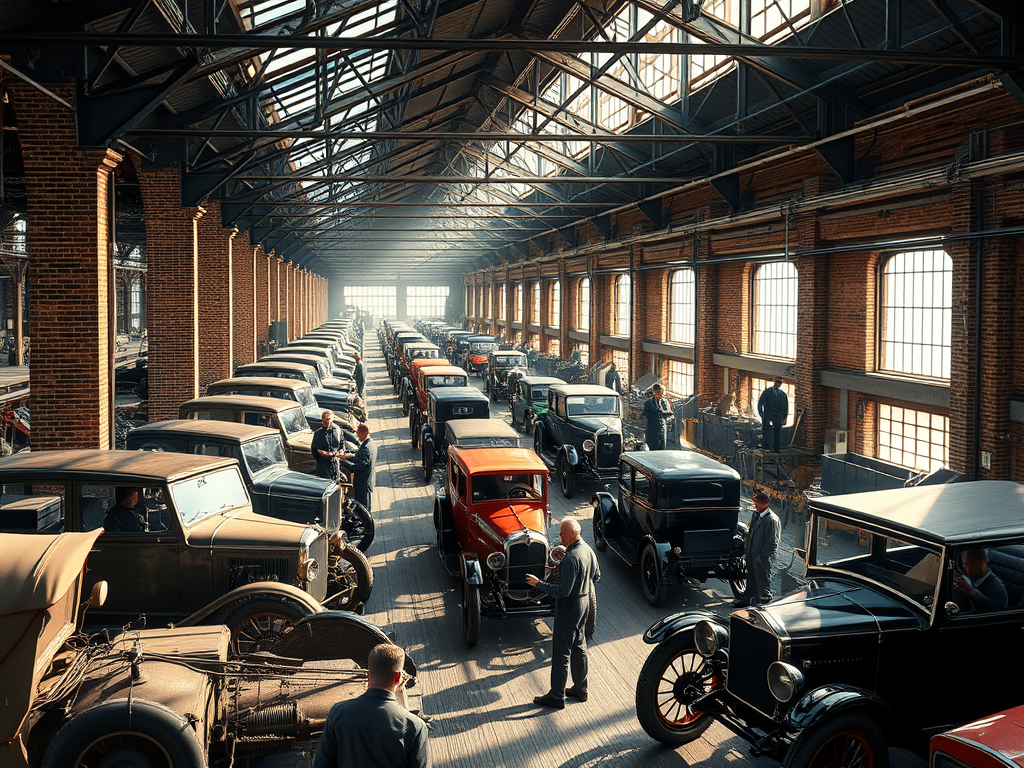
Duddeston East also stood close to some of Birmingham’s biggest employers. The Aston and Nechells industrial zones, including gasworks, metalworks and engineering plants, lay within easy reach, and many residents walked or took short train journeys to work. During the Second World War this whole area was heavily involved in war production, making it both economically vital and a target for bombing.
In the post-war period much of the old housing was cleared and replaced with modern estates, reflecting wider efforts to remove slums and improve living conditions. While this changed the physical character of Duddeston East, its role as a place of working communities tied to Birmingham’s industrial base remained.
Today Duddeston East sits on the edge of major regeneration zones linked to the city centre, HS2 and Eastside. Its future, like its past, is closely connected to transport, employment and the continuing evolution of Birmingham as a major urban and economic centre.




Leave a Reply