Ward End lies in the east of Birmingham, between Small Heath, Hodge Hill and the open spaces of the River Tame valley. It is one of the city’s older suburban districts, with roots that stretch back well before Birmingham’s great industrial expansion. The name Ward End is thought to come from its position at the edge of an old administrative boundary, marking the end of a ward in medieval times.
For much of its early history Ward End was rural, made up of farms, orchards and open fields. It sat on the edge of Birmingham, supplying food and agricultural produce to the growing town while remaining largely separate from it. This began to change in the nineteenth century as the city expanded rapidly and new transport routes pushed eastwards. The arrival of improved roads and nearby rail connections made the area attractive for both housing and small-scale industry.
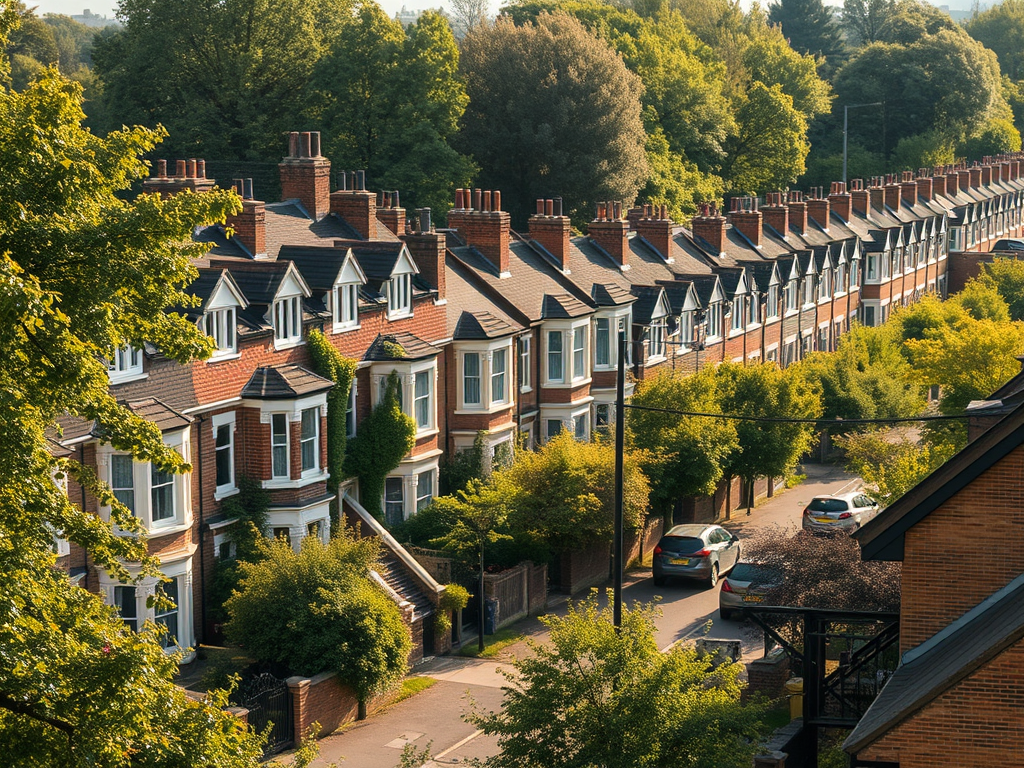
By the late Victorian and Edwardian periods, Ward End had developed into a respectable suburban district. Rows of terraced and semi-detached houses were built for skilled workers, clerks and small business owners who wanted to live outside the crowded industrial core but still be close to their workplaces. Local shops, schools and churches followed, giving the area a strong sense of neighbourhood and independence.
Ward End was closely linked to the great factories and workshops of east Birmingham. Many residents worked in the engineering, vehicle and rail industries of Saltley, Washwood Heath and Small Heath, while others found employment in nearby Castle Bromwich and Erdington. This connection to industry gave Ward End a solid, working character, even though it was more suburban in feel than the inner districts.
Green space has always been an important part of Ward End’s appeal. The area lies close to the River Tame and its floodplain, and parks, playing fields and tree-lined streets have helped preserve a sense of openness. These green corridors have become increasingly valuable as Birmingham has grown more densely built.
Over the decades Ward End has become more diverse, reflecting wider patterns of migration and change across the city. New communities have brought different cultures, businesses and places of worship, adding to the area’s character while keeping its role as a family-oriented neighbourhood.
Today Ward End remains a settled and well-established part of east Birmingham. Its mix of early twentieth-century housing, green spaces and strong links to the city’s industrial past give it a distinct identity, bridging the gap between Birmingham’s historic manufacturing districts and its later suburban expansion.







Leave a Reply