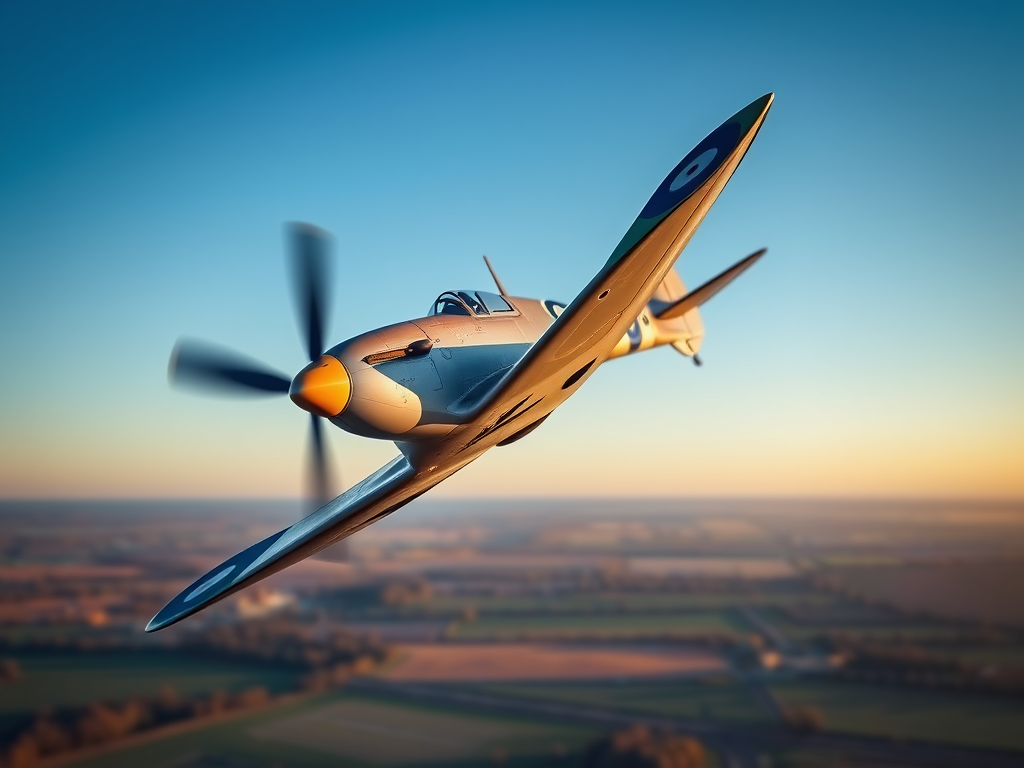
Castle Vale is one of the most historically important landscapes in Birmingham, even though today it is best known as a large residential estate. Beneath its streets, parks and houses lies the former site of the Castle Bromwich Aerodrome, which during the Second World War was one of Britain’s key operational airfields for the production and delivery of the Supermarine Spitfire. Although the aircraft themselves were assembled in the adjoining Castle Bromwich Aircraft Factory, it was the aerodrome on what is now Castle Vale that made the entire operation possible.
Before the Second World War this land was part of the Castle Bromwich estate, an area of farmland and parkland belonging to Castle Bromwich Hall. In the late 1930s, as Britain prepared for war, the government requisitioned large tracts of this land to build a huge aircraft manufacturing complex. Two linked sites were created: the Castle Bromwich Aircraft Factory, which stood on the north side of Chester Road, and the Castle Bromwich Aerodrome, which covered the flat open land to the south. It is this aerodrome land that later became Castle Vale.
The Spitfire was one of the most important fighter aircraft of the war, designed by R J Mitchell for Supermarine to defend Britain against German air attack. Its speed, agility and firepower made it central to the Battle of Britain and to air combat throughout the conflict. However, early Spitfire production was too slow to meet wartime demand, so the government created large state-funded “shadow factories” to build aircraft at industrial scale. Castle Bromwich was the largest of all these factories and was specifically built to mass-produce Spitfires.
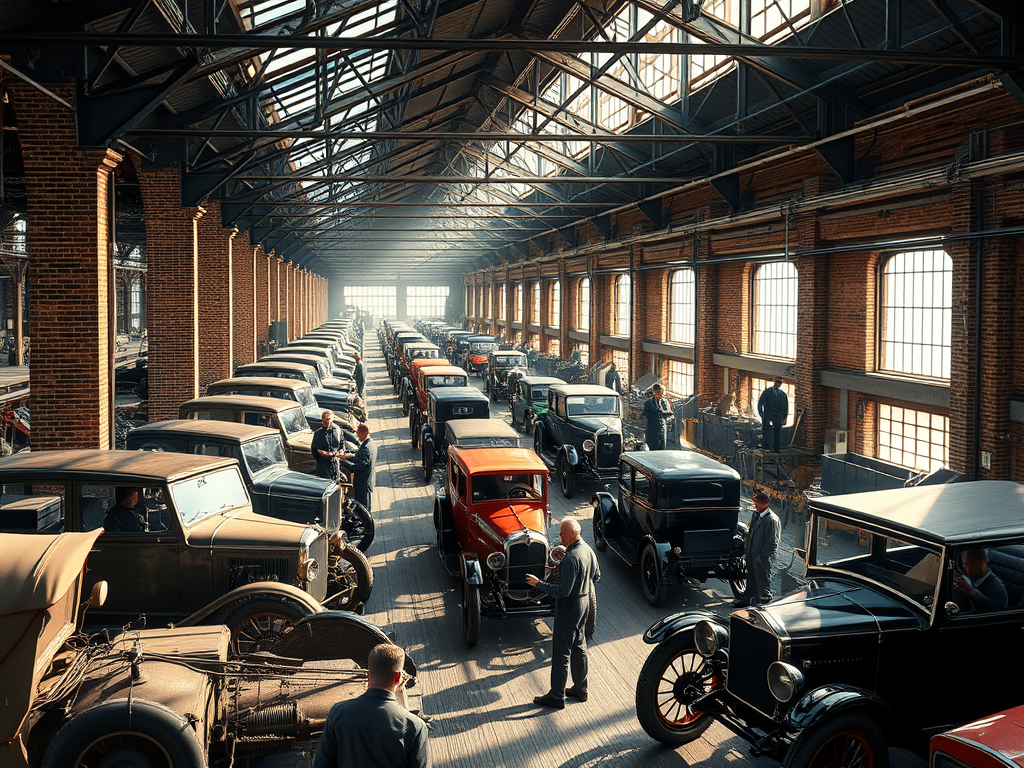
Once fully operational, the Castle Bromwich Aircraft Factory became the main production centre for the Spitfire. Over the course of the war it built more Spitfires than any other factory, producing around half of all Spitfires ever made. Thousands of men and women worked there, building fuselages, wings, control systems and final assemblies under intense pressure.
The aircraft engines, however, were not built at Castle Bromwich or Castle Vale. Spitfires were powered by the famous Rolls-Royce Merlin engine, which was manufactured at Rolls-Royce plants in Derby, Crewe, Glasgow and elsewhere. These engines were delivered to Castle Bromwich, where they were installed into the completed airframes during final assembly.
Once a Spitfire was completed inside the factory, it was taken across the road to the Castle Bromwich Aerodrome. This is the land that later became Castle Vale. Here the aircraft was fuelled, tested, and flown for the first time. Test pilots, including the legendary Alex Henshaw, carried out acceptance flights to make sure each aircraft was safe and ready for service before it was handed over to the RAF and flown to an operational squadron.
During the war, the airfield at Castle Bromwich was one of the busiest and most important in the country. Hundreds of newly built Spitfires took off from runways that today lie beneath Castle Vale’s housing, parks and roads. It was here that the aircraft that defended Britain and later helped liberate Europe first entered the sky.
After the war, the need for such a large airfield disappeared. Birmingham, meanwhile, was facing a huge housing shortage. In the 1960s the aerodrome land was redeveloped into the Castle Vale housing estate, while the aircraft factory site remained industrial and later became the Jaguar Land Rover Castle Bromwich plant.
So while the Spitfires were assembled in the factory next to Castle Vale, it was Castle Vale itself — the former airfield — that saw their first flights. Few places in Britain can claim that their modern streets are built directly on the ground from which so many of the country’s most famous wartime aircraft once took off.




Leave a Reply