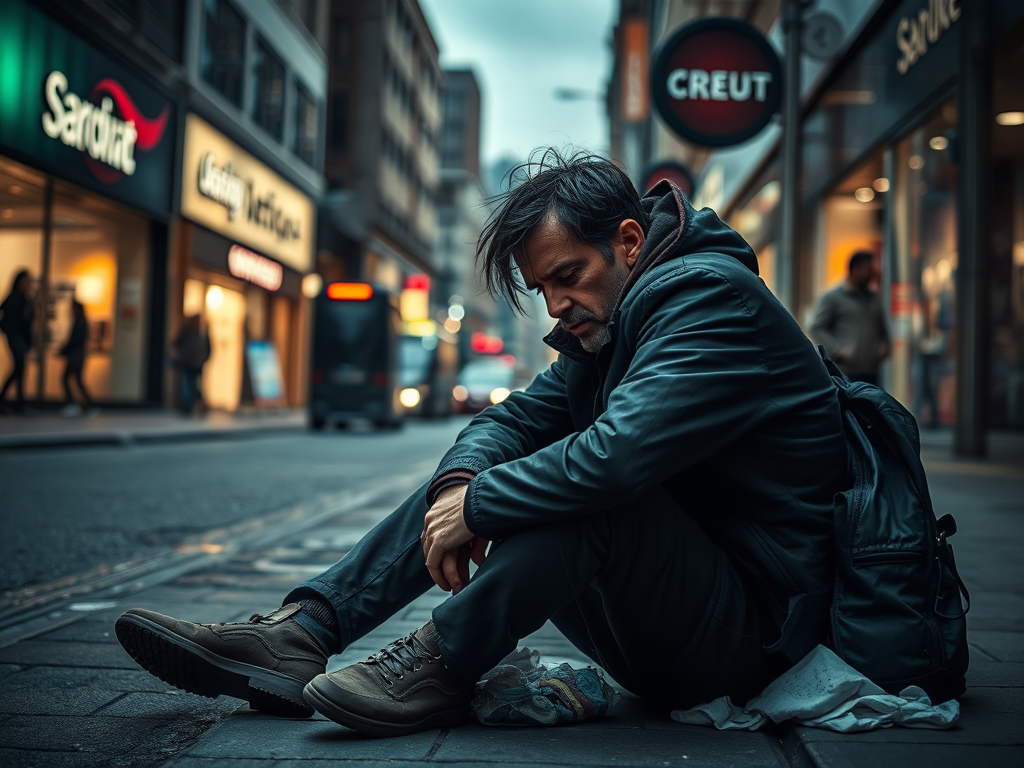
Homelessness in Birmingham has become far more visible in recent years, particularly in the city centre and around major shopping and transport routes. Many residents now regularly see people who appear heavily intoxicated, confused, distressed or physically unwell on the streets, and this has led to a growing belief that homelessness and drug addiction are the same thing. In reality, they are not.
While the two problems sometimes overlap, being homeless does not automatically mean that someone is a drug user, and being addicted to drugs does not automatically mean that someone is sleeping rough. People become homeless for many reasons, including eviction, job loss, family breakdown, domestic abuse, ill health, leaving care or prison, or simply being unable to keep up with rising rents. For some, substance use comes later as a way of coping with trauma, fear, isolation and life on the streets rather than being the original cause.
What has changed is how visible serious drug use has become. A growing number of people on the streets are using extremely strong substances, particularly synthetic cannabinoids often referred to as “Spice”, as well as crack cocaine and heroin. These drugs can have dramatic effects, leaving people slumped, unresponsive, disoriented or highly agitated in public. This makes the problem feel far worse, because the behaviour and physical state of those affected is impossible to ignore. It is not that every homeless person is suddenly an addict, but that the people who are using the most dangerous drugs are also the ones most likely to be seen in busy public places.
Several factors have driven this worsening situation. Housing in Birmingham has become harder to access and harder to keep, with rising rents, a shortage of genuinely affordable homes and long waits for suitable accommodation. At the same time, the cost of living has pushed more people into debt and insecurity, leading to sofa-surfing, overcrowding and eventually rough sleeping when other options run out.
Many of the people now sleeping on the streets also have complex needs, including long-term mental health problems, trauma, and unstable life histories that make it difficult to navigate housing systems or stay in accommodation without support. Drug markets have also changed, with synthetic cannabinoids in particular being cheap, widely available and extremely potent, making them especially damaging for people who are already vulnerable. Services have not disappeared, but demand has increased and it is harder for people who are living chaotically to stay engaged with support long enough to rebuild their lives.
Birmingham does have a wide network of help for both homelessness and addiction. The city council runs homelessness services and emergency accommodation schemes, including cold-weather provision, while charities such as SIFA Fireside, Trident Reach, St Basils and Crisis Skylight work daily to provide food, advice, temporary accommodation, housing support and routes back into stability.
For drug and alcohol problems, organisations such as Change Grow Live and NHS-linked addiction services provide treatment, harm reduction, recovery support and clinical care, alongside outreach teams who work with people on the streets. There are also specialist services for women, young people and those affected by abuse or exploitation, recognising that homelessness is often tied to deeper personal crises.
What works best is not punishment or displacement, but stability and support. People are far more likely to reduce or stop harmful drug use when they have somewhere safe to live, access to mental health care, and consistent, non-judgemental support. Housing first approaches, which place people in accommodation before tackling other issues, have shown that recovery is far more achievable when someone is not trying to survive on the street.
The situation in Birmingham is serious, and the distress felt by residents and businesses is understandable, but so is the suffering of the people caught in the middle of it. Treating homelessness as a moral failing or assuming all homeless people are addicts only deepens the problem. Real progress depends on recognising the difference between homelessness and addiction while addressing both with housing, healthcare and sustained support rather than stigma.






Leave a Reply