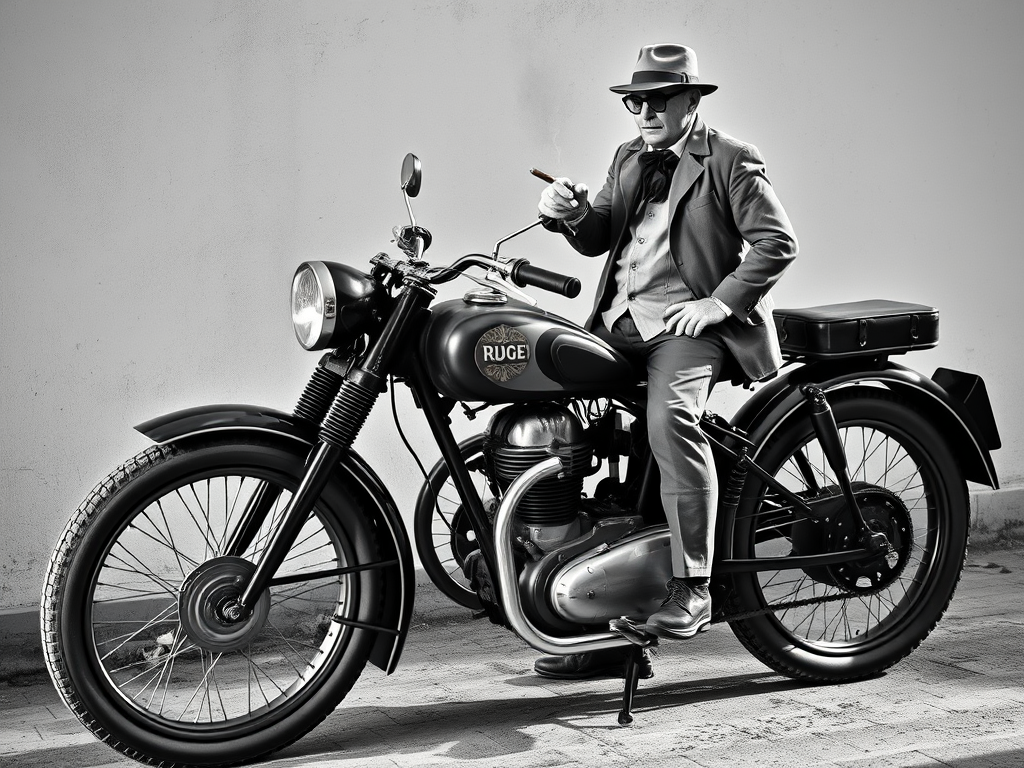
The Rudge-Whitworth name is one of the most important in the early history of British cycles and motorcycles and has deep roots in Birmingham, where the company was founded and first flourished. Rudge’s story reflects Birmingham’s role as a centre of precision engineering and innovation during the late nineteenth and early twentieth centuries, as well as the wider rise and decline of British motor manufacturing.
Rudge began life in Birmingham in the 1860s, founded by Daniel Rudge, an engineer and inventor who was fascinated by improving bicycle design. Operating initially from workshops in the city, Rudge became renowned for technical innovation rather than mass-market production alone. One of the company’s most important early contributions was the development of the adjustable ball-bearing hub, which significantly improved bicycle efficiency and reliability. This invention helped establish Birmingham as a global centre for high-quality cycle manufacture.
In 1894, Rudge merged with the Whitworth Cycle Company, becoming Rudge-Whitworth. This merger strengthened the business both financially and technically, allowing it to expand production and export bicycles worldwide. Rudge-Whitworth cycles were considered premium products, often used in racing and endurance events, and the company built a strong reputation for engineering excellence. During this period, Birmingham’s dense network of metalworkers, toolmakers and component suppliers played a crucial role in supporting the firm’s success.
As interest in motorised transport grew at the turn of the twentieth century, Rudge-Whitworth began to explore motorcycle production. Like many bicycle manufacturers of the era, the transition was a natural progression, as bicycles already shared many mechanical principles with early motorcycles. Rudge motorcycles quickly gained a reputation for performance and innovation, particularly in racing. The company achieved considerable success in competitions such as the Isle of Man TT, where Rudge machines became dominant during the 1920s.
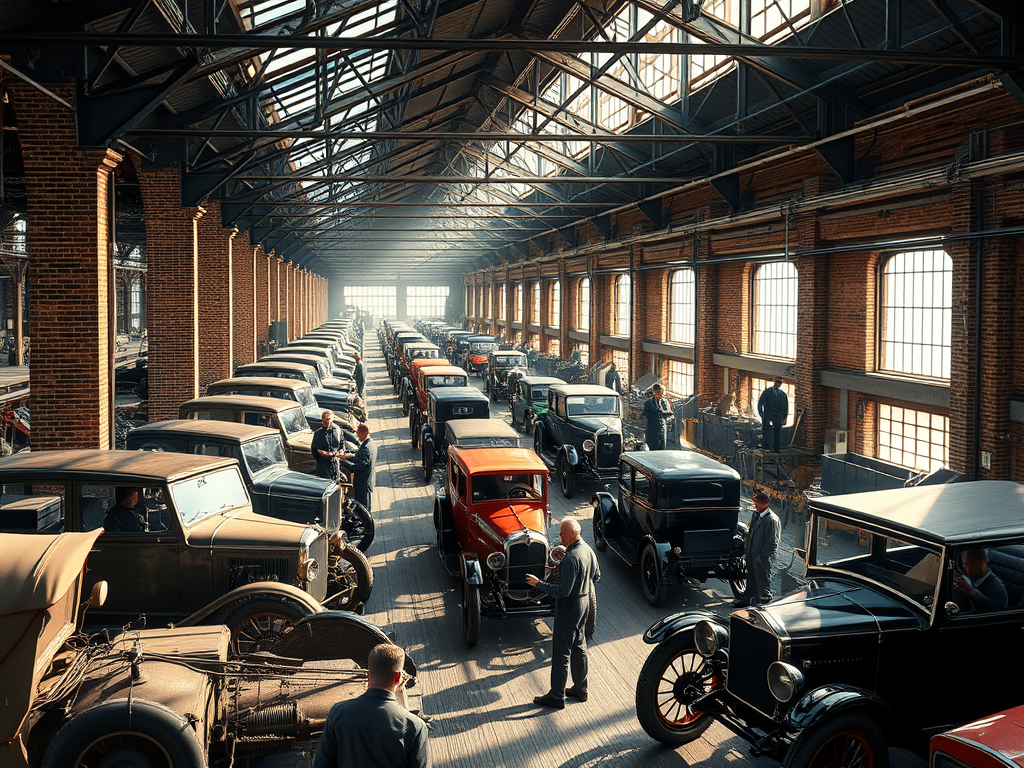
As the business expanded, production gradually shifted away from Birmingham. In the early twentieth century, Rudge-Whitworth moved much of its manufacturing to Coventry, which was rapidly emerging as Britain’s leading centre for motor vehicle production. Coventry offered larger factory sites and was increasingly focused on automotive engineering, making it a logical choice as bicycles gave way to motorcycles as the company’s primary product.
During its peak years, Rudge was regarded as one of Britain’s finest motorcycle manufacturers. Its machines were known for advanced engineering, distinctive four-valve cylinder heads and strong competition performance. However, like many British manufacturers, Rudge struggled during the economic downturn of the 1930s. Financial difficulties led to changes in ownership, and the company eventually became part of larger industrial groups, losing its independence.
By the late 1930s, motorcycle production under the Rudge name declined sharply. The outbreak of the Second World War further disrupted civilian motorcycle manufacturing, and after the war the British motorcycle industry faced growing competition from overseas manufacturers. Rudge never fully recovered its former position, and the brand eventually disappeared from active production.
Although Rudge as a manufacturer no longer exists, its legacy remains significant. The Rudge-Whitworth name is still remembered with respect among cycling and motorcycle enthusiasts, and surviving machines are highly prized by collectors. Rudge’s influence can be seen in the technical standards it helped establish and in the role it played in bridging the gap between the bicycle age and the era of motorised transport.
Rudge’s story is inseparable from Birmingham’s industrial heritage. It exemplifies how small workshops in the city grew into world-renowned manufacturers through innovation and craftsmanship, and how those same firms later struggled as industries consolidated and global competition intensified. Today, Rudge stands as a symbol of Birmingham’s pioneering role in both cycling and motorcycling history.




Leave a Reply