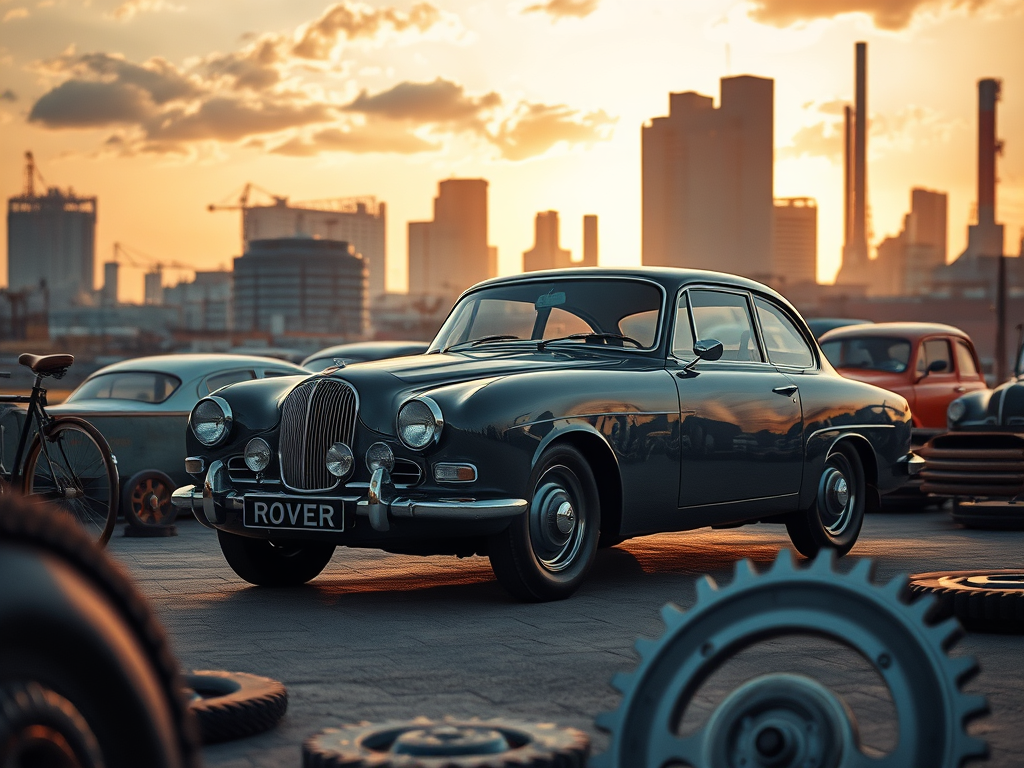
The Rover name is one of the most historically important to emerge from Birmingham, representing innovation, engineering ambition and the rise of Britain’s motor industry from Victorian origins to global recognition. Rover’s story spans more than a century and mirrors the wider fortunes of British manufacturing, from pioneering success to eventual decline.
Rover began life not as a car manufacturer, but as a bicycle company. It was founded in 1878 as the Starley & Sutton Company in Coventry by John Kemp Starley and William Sutton, later becoming the Rover Cycle Company. Starley is often credited as the creator of the “safety bicycle”, a design that closely resembles the modern bicycle, with equal-sized wheels and chain drive. The name “Rover” was adopted to evoke freedom and mobility, and the company quickly gained an international reputation for quality cycle manufacture.
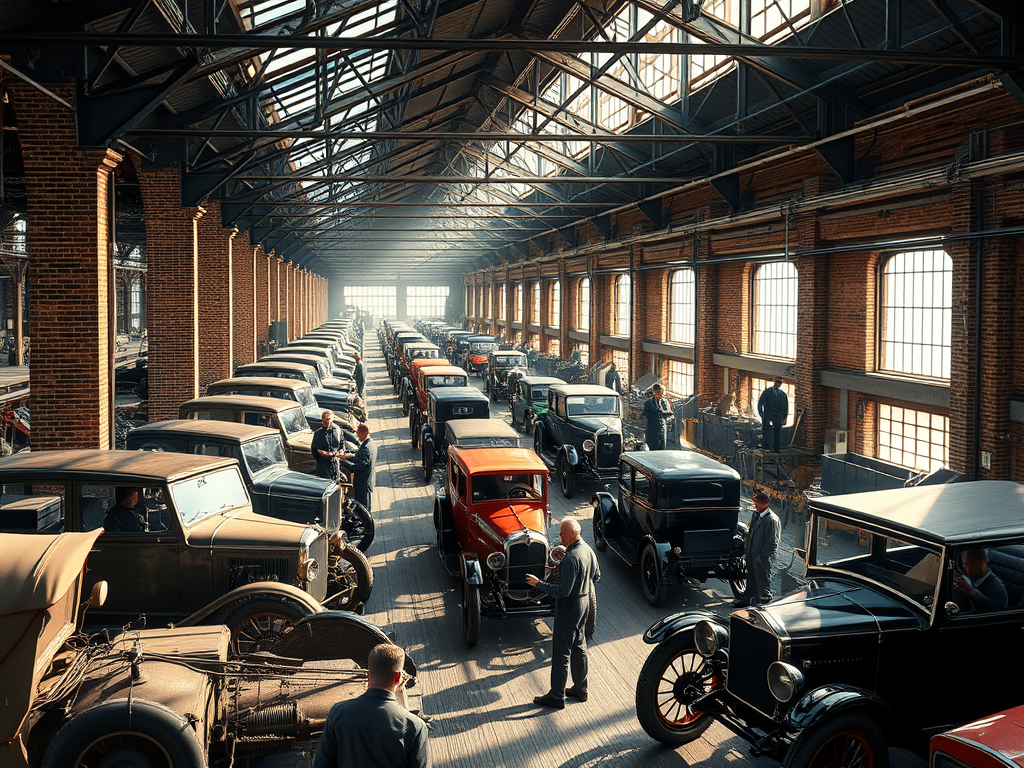
The transition from bicycles to motor vehicles came at the turn of the twentieth century, a path followed by many Midlands manufacturers. Rover produced its first motor car in 1904, applying its precision engineering skills to the new technology. Early Rover cars were well built and technically advanced, helping establish the brand as a maker of refined, reliable vehicles rather than cheap mass-market transport. Although manufacturing was centred in Coventry, Rover’s development was deeply connected to Birmingham’s engineering ecosystem, drawing heavily on suppliers, skilled labour and technical expertise from across the city and the wider Midlands.
During the inter-war years, Rover expanded steadily, producing a range of saloon cars that appealed to professional and middle-class buyers. The company earned a reputation for solid engineering and conservative design, favouring durability and mechanical integrity over fashion. This approach became a defining characteristic of the Rover brand and helped it survive economic downturns that affected less well-established manufacturers.
Rover’s most important post-war contribution came with the introduction of the Land Rover in 1948. Developed initially as a utilitarian vehicle for agricultural and industrial use, the Land Rover proved extraordinarily successful, both in Britain and overseas. Its rugged design, versatility and reliability made it indispensable in rural areas, developing countries and military service. The Land Rover would go on to become one of Britain’s most recognisable vehicle exports and a cornerstone of Rover’s business.
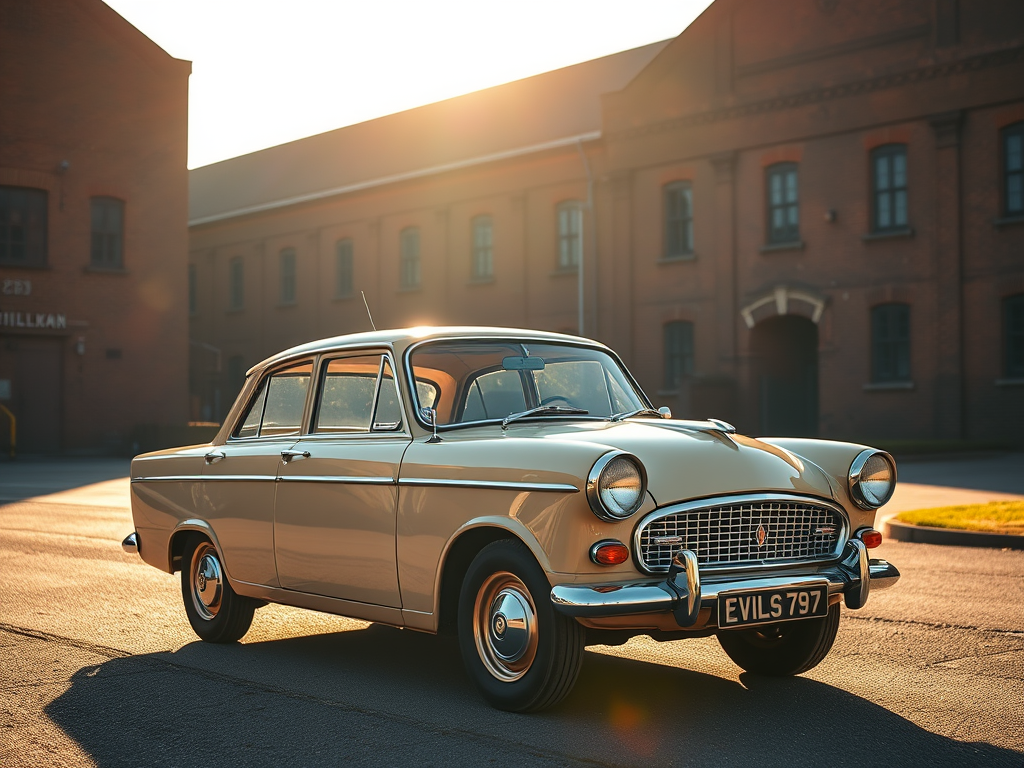
In 1967, Rover became part of the newly formed British Leyland Motor Corporation, a government-backed merger intended to consolidate and save Britain’s struggling motor industry. While this brought Rover into a vast industrial group alongside Austin, Morris, Jaguar and others, it also marked the beginning of prolonged difficulties. Management complexity, underinvestment, industrial disputes and increasing competition from foreign manufacturers all took their toll. Despite producing respected vehicles such as the Rover P6 and later executive saloons, the company struggled to maintain consistent quality and profitability.
The latter decades of Rover’s existence were marked by repeated restructuring and changes of ownership. British Leyland was rebranded and broken up, and Rover passed through various phases, including ownership by British Aerospace and later BMW. Although BMW invested heavily in new models and facilities, the partnership ultimately proved unsuccessful, and Rover was sold again in the early 2000s.
The final chapter came in 2005 with the collapse of MG Rover, the last successor to the original Rover company. Production at Longbridge, once one of the largest car factories in the world and a symbol of Birmingham’s industrial might, came to an end. Thousands of jobs were lost, marking one of the most significant industrial closures in the city’s modern history.
Although Rover as a British-owned manufacturer no longer exists, the name has not entirely disappeared. The Land Rover marque continues as part of Jaguar Land Rover, now owned by Tata Motors, and remains closely associated with British design and engineering, much of it still centred in the Midlands. The Rover name itself, however, is no longer used on new vehicles, effectively ending a brand that once stood for conservative quality and engineering integrity.
Rover’s legacy is inseparable from Birmingham and the wider West Midlands. From pioneering bicycles to world-renowned off-road vehicles, the company exemplifies the region’s role as a cradle of transport innovation. Its rise and fall reflect both the strengths and vulnerabilities of British manufacturing, leaving behind a powerful reminder of a time when Birmingham sat at the heart of the global motor industry.




Leave a Reply