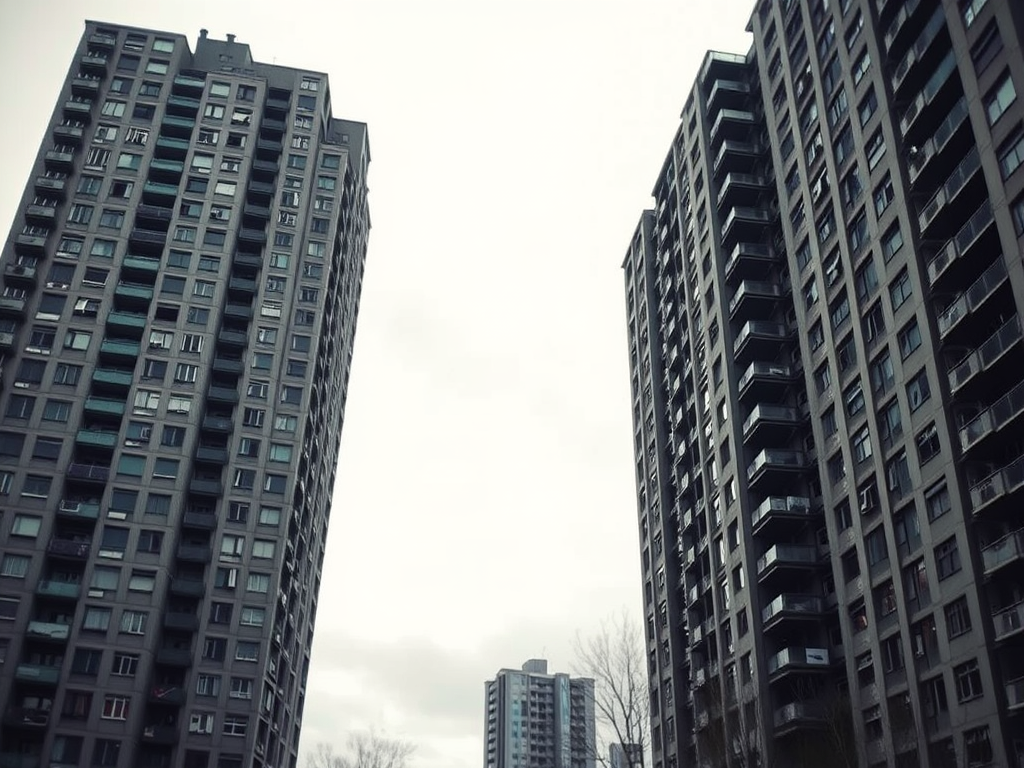
Birchfield is an established inner-city ward in north Birmingham, lying between Perry Barr, Aston and Handsworth Wood, and forms part of the wider B20 and B6 postcode areas. The area has a long history that predates Birmingham’s industrial expansion, beginning as open farmland associated with the old manor of Handsworth. Its name is thought to derive from birch trees that once marked the fields and boundaries of the settlement, long before urban development took hold.
During the nineteenth century, Birchfield began to change rapidly as Birmingham expanded northwards. Improvements to roads such as Birchfield Road, which formed part of an important route out of the city, encouraged housing development from the mid-Victorian period onwards. Terraced housing, shops and civic buildings followed, transforming what had once been rural land into a dense residential neighbourhood closely linked to Birmingham’s industrial workforce.
One of the most notable historic buildings in the area is Holy Trinity Church, a Victorian Gothic parish church built in the 1860s. Designed by the Birmingham architect J A Chatwin, the church remains an important architectural and community landmark, with its stone detailing and stained glass reflecting the confidence and prosperity of the Victorian era. Standing nearby is the large Jame Masjid Sunni mosque, whose distinctive red brickwork and dome reflect the area’s later twentieth-century development and the growth of Birchfield’s diverse communities.
Birchfield is also closely associated with sporting history through the internationally renowned Birchfield Harriers athletics club. Founded in the late nineteenth century, the club took its name from the area and went on to become one of the most successful athletics organisations in Britain, producing Olympic and international athletes. Although the club is now based at the Alexander Stadium in nearby Perry Barr, the Birchfield name remains strongly linked with British athletics.
In the early twentieth century, Birchfield supported its own local entertainment venues, including a picture house cinema on Birchfield Road, which served the community until the mid-1900s. This reflects a period when the area functioned as a largely self-contained neighbourhood, with shops, places of worship and social venues clustered around its main roads.
Today, Birchfield remains a busy residential ward with a strong local identity. It is characterised by its mix of Victorian and later housing, active local centres, schools and community facilities, and a population that reflects Birmingham’s wider cultural diversity. While shaped by urban change and redevelopment, Birchfield continues to combine historical depth with everyday community life, representing an important part of Birmingham’s north-side story.






Leave a Reply