
Birmingham’s Motorcycle Giant
BSA stands for Birmingham Small Arms, and few names are more closely associated with the industrial identity of Birmingham. From modest beginnings in the 19th century, BSA grew into the largest motorcycle manufacturer in the world, producing machines that were exported across the globe and ridden by civilians, soldiers and racers alike. Its rise, dominance and eventual decline mirror the wider story of British manufacturing in the 20th century.
Origins in Birmingham
BSA was founded in 1861 as a consortium of Birmingham gunsmiths producing firearms for the British military. The company’s early factories were located in Small Heath, an area that became synonymous with heavy engineering and mass production. BSA quickly diversified, applying its precision metalworking skills to bicycles and later to motorcycles.
Motorcycle production began in the early 20th century, with BSA officially entering the motorcycle market before the First World War. The company’s engineering discipline, inherited from weapons manufacturing, gave its machines a reputation for strength, reliability and consistency.
Expansion and Global Dominance
Between the 1920s and the 1960s, BSA became a dominant force in motorcycling. Its Small Heath factory expanded into a vast industrial complex employing tens of thousands of workers at its peak. BSA motorcycles were sold throughout Britain, Europe, North America, Australia and beyond.
The company produced a wide range of machines, from modest commuter motorcycles to powerful sporting and touring models. Famous BSA motorcycles included:
- BSA M20 – a rugged military motorcycle used extensively in the Second World War
- BSA Gold Star – a high-performance single-cylinder machine admired worldwide
- BSA Bantam – one of Britain’s most popular lightweight motorcycles
During the Second World War, BSA played a critical role in the war effort, producing motorcycles, weapons and military equipment. The Small Heath works became a strategic industrial site and suffered bomb damage during air raids.
The Factory at Small Heath
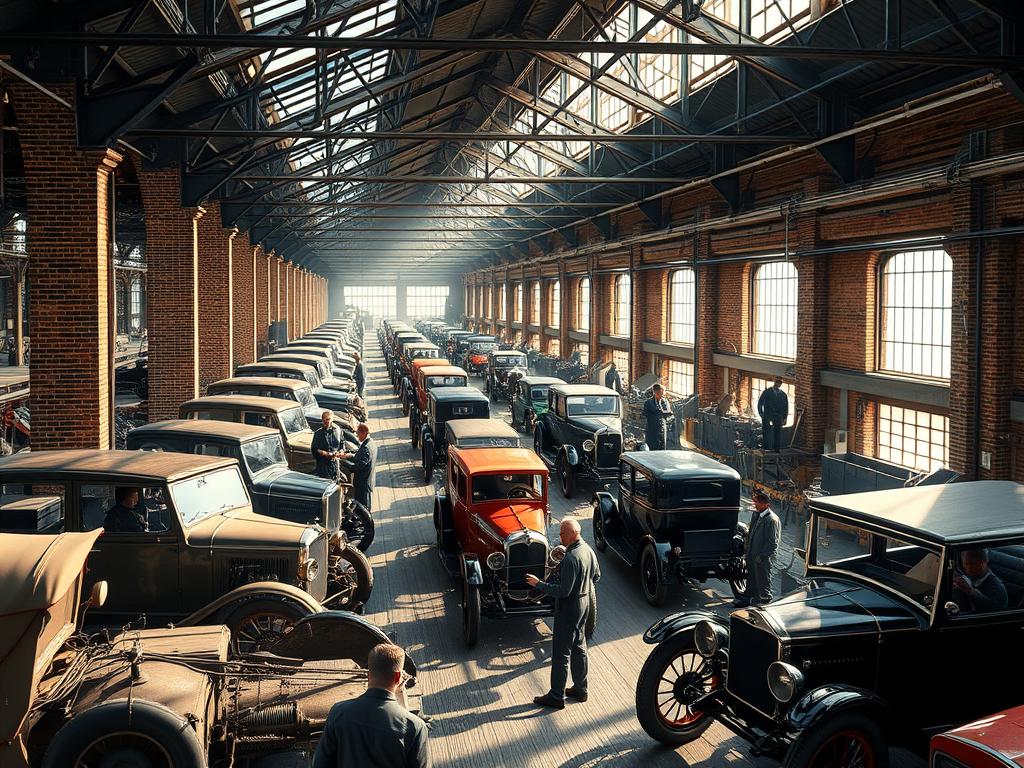
The Small Heath factory was the heart of BSA’s motorcycle empire. It was a fully integrated manufacturing site, producing frames, engines and complete motorcycles on an industrial scale. The factory symbolised Birmingham’s reputation as the “workshop of the world”.
After the war, production resumed at pace, but by the late 1950s and 1960s the factory was under increasing pressure. Overseas manufacturers, particularly from Japan, introduced motorcycles that were cheaper, more reliable and easier to maintain. BSA, like many British firms, struggled to modernise production methods quickly enough.
Decline and Collapse
In the late 1960s and early 1970s, BSA faced serious financial difficulties. The motorcycle division was merged with rivals, becoming part of Norton-Villiers-Triumph (NVT) in an attempt to save the British motorcycle industry. This consolidation marked the effective end of independent BSA motorcycle production.
By the early 1970s, motorcycle manufacturing at Small Heath had ceased. The factory complex was gradually demolished, and the land was later redeveloped. Today, little physical evidence remains of what was once one of the most important motorcycle factories in the world.
How BSA Survives Today
Although the original Birmingham factory is gone, the BSA name never disappeared. For decades it survived through enthusiast clubs, classic restorations and historic racing, with thousands of BSA motorcycles still running worldwide.
In recent years, the BSA brand has been formally revived under new ownership. The modern incarnation of BSA produces motorcycles inspired by classic designs, combining heritage styling with modern engineering. While production no longer takes place in Birmingham, the brand openly trades on its Midlands identity and historic reputation. Modern BSA motorcycles are manufactured in India, at TVS’s advanced production facilities, where engines and complete machines are built using modern quality control and manufacturing techniques.
Legacy and Significance
BSA’s impact on Birmingham cannot be overstated. It provided employment for generations, shaped entire neighbourhoods and helped establish the city as a global centre of engineering excellence. The motorcycles themselves remain icons of British design, admired for their mechanical honesty and character.
BSA represents both the height of British industrial achievement and the challenges faced by traditional manufacturing in a rapidly changing world. Its story is inseparable from Birmingham’s own industrial rise, decline and reinvention.





Leave a Reply