
Birmingham is a city that has spent most of its life being talked about rather than properly visited. Ask people who have never been and they may mutter something about concrete, traffic or the weather. Ask people who actually know the city and you will usually get a smile, a story and a recommendation for somewhere excellent to eat.
Britain’s second city has never been one for showing off. Birmingham grew through industry, invention and hard work rather than postcard prettiness, and that honesty still shapes its character today. What visitors now find is a city that has quietly reinvented itself, blending historic grit with confident modern design and a surprising amount of green space.
One of Birmingham’s great strengths is its diversity. Few UK cities reflect modern Britain so clearly. Walk through different neighbourhoods and you will hear dozens of languages, smell food from every corner of the world and pass businesses that are family-run, fiercely independent and deeply rooted in the city. This diversity is not staged or tokenistic. It is simply how Birmingham works, and it gives the city its energy.
Food alone is reason enough to visit. Birmingham is the birthplace of the balti, and the famous Balti Triangle remains a rite of passage for first-time visitors. Beyond that, the restaurant scene has expanded dramatically, from independent cafés and street food traders to Michelin-starred dining. Whatever your taste or budget, Birmingham will feed you well and without pretension.
The city’s cultural offer often surprises newcomers. The Birmingham Museum and Art Gallery holds world-class collections, while the Library of Birmingham is both an architectural landmark and a symbol of the city’s confidence. Music, theatre and live performance thrive here, supported by venues large and small, many of them converted from the city’s industrial past.
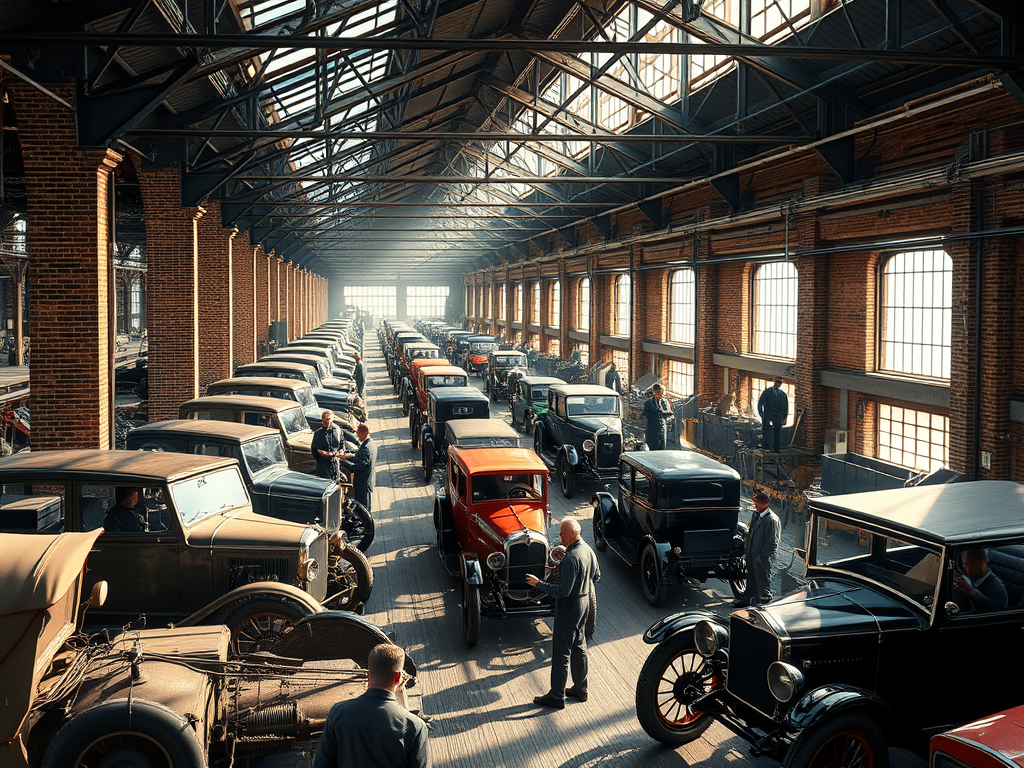
Speaking of industry, Birmingham’s urban landscape is one of its most distinctive features. Canals weave quietly through the city centre, often surprising visitors who expect only roads and railways. Former factories have become apartments, studios and offices, while bold new developments sit alongside Victorian brickwork. The result is a cityscape that feels layered and lived-in rather than polished for effect.
Of course, Birmingham is a large urban city, and like any city of its size it has its challenges. Crime, congestion and inequality are not unique to this place, despite what tired jokes may suggest. What sets Birmingham apart is how rarely it defines itself by those issues. The city looks forward rather than inward, shaped by ongoing investment, regeneration and a growing confidence in its own identity.
Perhaps the biggest reason to visit Birmingham is its people. Brummies are famously down to earth, quick-witted and welcoming once you stop listening to old stereotypes. The humour is dry, the opinions are honest, and the pride in the city is quiet but real.
Birmingham does not demand your admiration. It earns it slowly, through good food, interesting spaces, creative energy and the feeling that this is a city still being written rather than preserved in amber. Visit with an open mind and you may find yourself wondering why it took you so long to come.




Leave a Reply