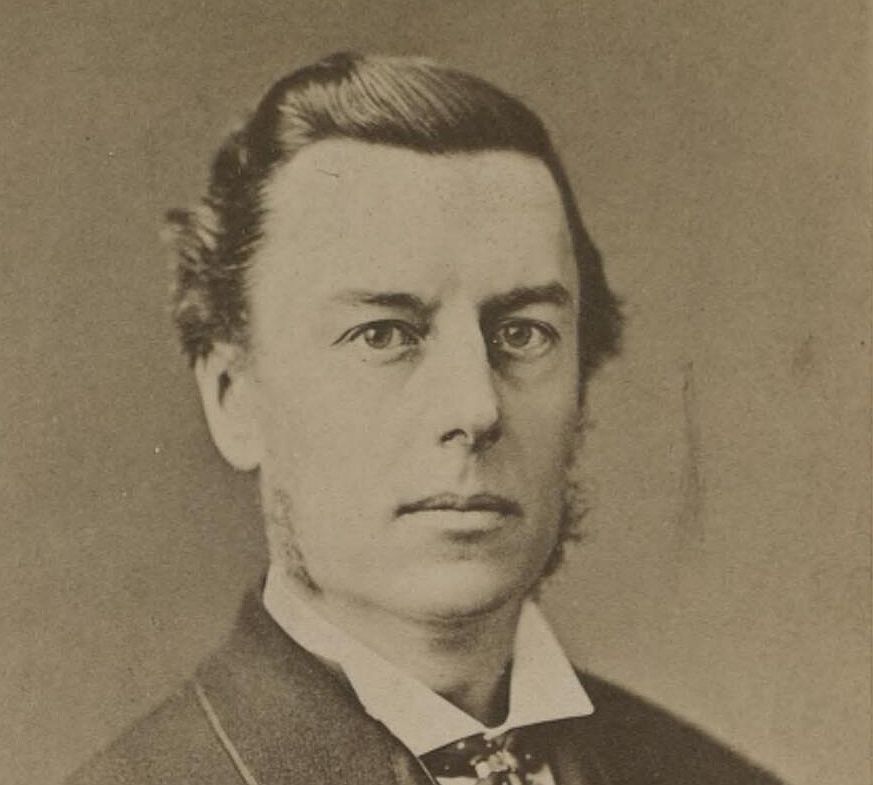
The Politician who remade Victorian Birmingham
Joseph Chamberlain was one of the most influential political figures in Birmingham’s history and a central force in shaping the modern city. Active during the late nineteenth century, Chamberlain’s period as Birmingham’s Mayor marked a turning point in urban governance, public services and civic ambition.
Elected Mayor of Birmingham in 1873, Chamberlain approached local government with energy and a strong belief that cities had a responsibility to improve the lives of their citizens. At a time when many British towns were struggling with overcrowding, poor sanitation and private monopolies, Chamberlain championed bold municipal reform. His policies reflected a conviction that essential services should serve the public good rather than private profit.
One of Chamberlain’s most significant achievements was the municipalisation of Birmingham’s gas and water supplies. By bringing these utilities under public control, the city was able to improve standards, expand access and reinvest profits into further civic improvements. This approach became known as “municipal socialism” and attracted national attention, influencing urban policy far beyond Birmingham.
Housing reform was another cornerstone of his mayoralty. Chamberlain supported large-scale slum clearance schemes in the city centre, replacing overcrowded and unsanitary housing with wider streets, improved infrastructure and new developments. While controversial at the time, these measures were driven by a desire to modernise Birmingham and address the health and social problems associated with rapid industrial growth.
Chamberlain’s impact extended beyond local politics. He later became a prominent national politician, holding senior government positions and playing a major role in debates on imperial policy, trade and education. Despite his national career, his legacy remains closely tied to Birmingham, where his ideas about civic pride and public responsibility took practical form.
Joseph Chamberlain helped establish Birmingham as a city confident in its ability to govern itself and invest in its future. His reforms laid the groundwork for modern urban administration and demonstrated how local leadership could drive meaningful change. Today, he is remembered as a figure who transformed Birmingham from an industrial town into a model of progressive municipal government, leaving a lasting imprint on the city’s identity.







Leave a Reply