
The decade from 1960 to 1970 was a time of rapid transformation for Birmingham. Marked by ambitious redevelopment, social change, and shifting cultural attitudes, these years reshaped the city’s physical landscape and the everyday lives of its people. While prosperity continued for much of the decade, underlying challenges began to emerge that would shape the years ahead.
Birmingham in an Age of Modernisation
By 1960, Birmingham was firmly focused on modernisation. City planners pursued large scale redevelopment schemes designed to replace older housing and create a city suited to the motor car. New roads, ring roads, flyovers, and pedestrianised shopping areas dramatically altered the urban environment.
Modernist architecture became a defining feature of the city centre. Concrete office blocks, shopping complexes, and high rise developments reflected contemporary ideas about progress, efficiency, and urban living.
National Politics and Social Change
Nationally, the 1960s were a decade of social reform and cultural change. Governments introduced legislation affecting education, housing, and social equality. These changes influenced life in Birmingham, particularly in areas such as schooling, youth services, and public housing.
Social attitudes shifted rapidly. Traditional structures and expectations were questioned, especially by younger generations. These changes were reflected in music, fashion, and everyday behaviour across the city.
Industry and Employment
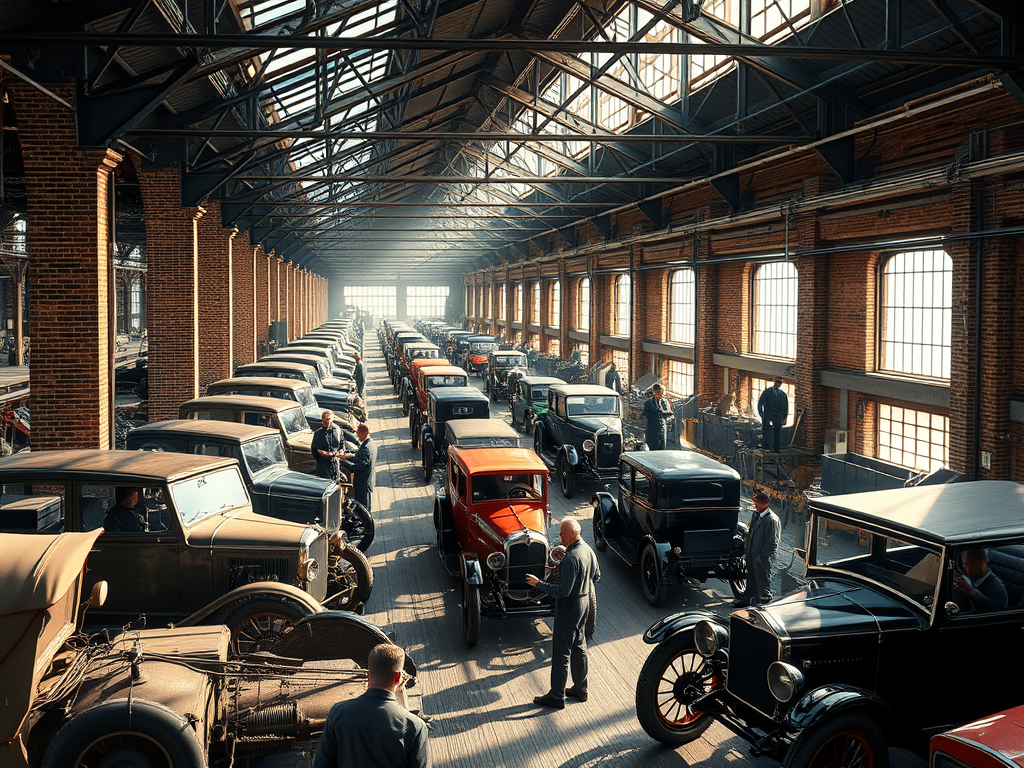
Industry remained central to Birmingham’s economy, but signs of change were increasingly visible. While motor manufacturing, engineering, and metal trades continued to employ large numbers, competition from abroad and rising costs began to affect some sectors.
Automation and new production methods altered working life. Some jobs disappeared, while others required new skills. Trade unions remained powerful, negotiating pay and conditions in a changing industrial landscape.
Housing and Urban Life
Housing policy during the 1960s focused heavily on redevelopment. Large areas of older housing were demolished and replaced with high rise flats and new estates. These developments aimed to provide modern accommodation with improved facilities, though they sometimes disrupted established communities.
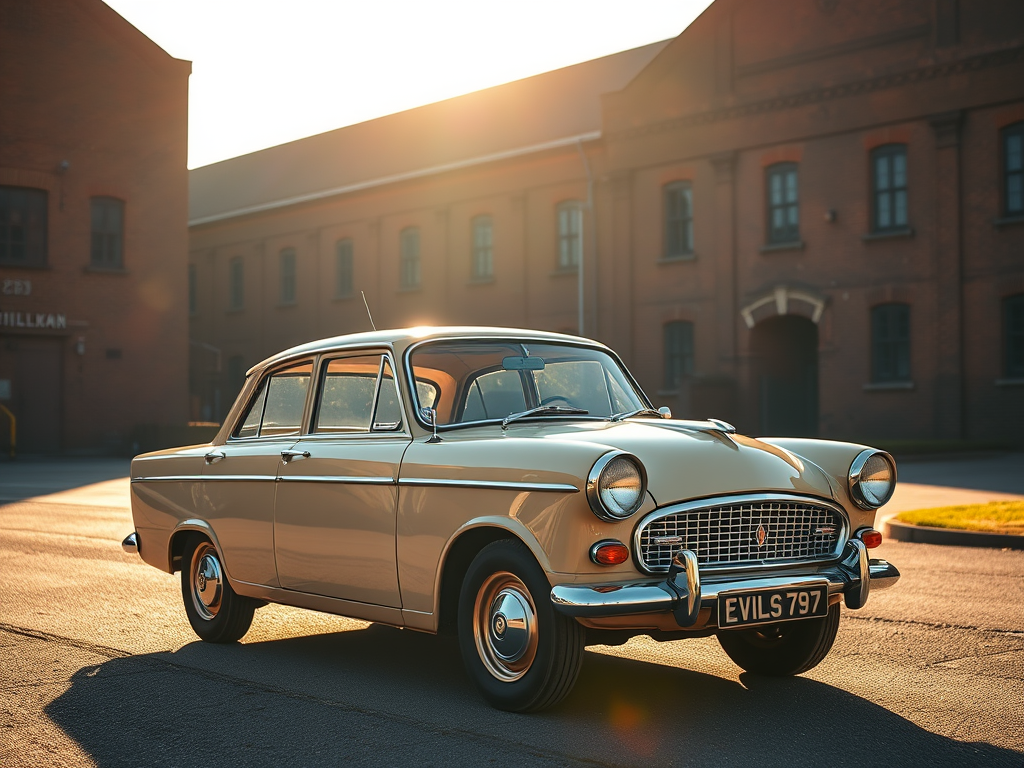
Suburban growth continued, supported by expanding road networks and public transport. Car ownership increased rapidly, changing commuting patterns and daily routines.
Immigration and a Changing Population
The 1960s saw significant immigration to Birmingham from the Caribbean, South Asia, and other parts of the Commonwealth. New communities settled across the city, contributing to its economic life and cultural diversity.
This period brought both enrichment and tension. While many migrants filled vital roles in industry and public services, issues of housing, employment, and social integration became increasingly important.
Daily Life and the Home
Life at home reflected broader social change. Television was now a central feature of most households, shaping shared experiences and popular culture. Household appliances were common, reducing domestic labour and changing family routines.
Young people enjoyed greater independence, influenced by new music, fashion, and social freedoms. Youth culture became a visible and influential part of city life.
Religion and Community Life
Religion continued to play a role in Birmingham’s communities, though participation declined compared with earlier decades. Churches adapted by expanding community activities, youth clubs, and social programmes.
New places of worship appeared as immigrant communities established their own religious and cultural institutions, adding to the city’s diverse spiritual landscape.
Leisure, Culture, and Identity
The cultural life of Birmingham flourished during the 1960s. Music venues, cinemas, theatres, and clubs reflected the energy of the decade. Sport remained an important source of identity and pride, drawing large crowds and fostering community spirit.
The city’s growing diversity enriched its cultural scene, introducing new cuisines, music, and traditions into everyday life.
A Decade of Opportunity and Tension
By 1970, Birmingham had been profoundly reshaped. Modern infrastructure, cultural change, and a diverse population defined the city. At the same time, economic pressures and social challenges were becoming more visible.
The decade from 1960 to 1970 was one of confidence and experimentation, but it also marked the beginning of questions about industrial decline, urban planning, and social cohesion. Birmingham entered the 1970s changed in both appearance and character, ready to face a more uncertain future.





Leave a Reply