
The decade from 1950 to 1960 marked a period of rebuilding, optimism, and rapid change in Birmingham. After the hardships of war and austerity, the city entered a new era shaped by economic growth, modernisation, and rising living standards. These years transformed Birmingham’s landscape, working life, and social attitudes.
Birmingham in the Post War Boom
By 1950, Birmingham was firmly engaged in post war recovery. Industry was strong, employment levels were high, and demand for manufactured goods continued to grow. The city remained one of Britain’s most important industrial centres, with factories producing vehicles, machinery, electrical goods, and consumer products.
Economic stability brought renewed confidence. For many families, regular employment and steady wages replaced the insecurity of earlier decades. Birmingham’s population continued to expand as people moved to the city for work.
National Politics and Leadership
Nationally, the early 1950s were shaped by the continuation of welfare state policies introduced after the war. Governments focused on economic management, housing expansion, and public services. These policies had a direct impact on Birmingham, particularly in the areas of health care, education, and housing.
Political debate increasingly reflected changing expectations. Citizens now looked to government to maintain employment, improve living conditions, and support economic growth.
Industry and Working Life
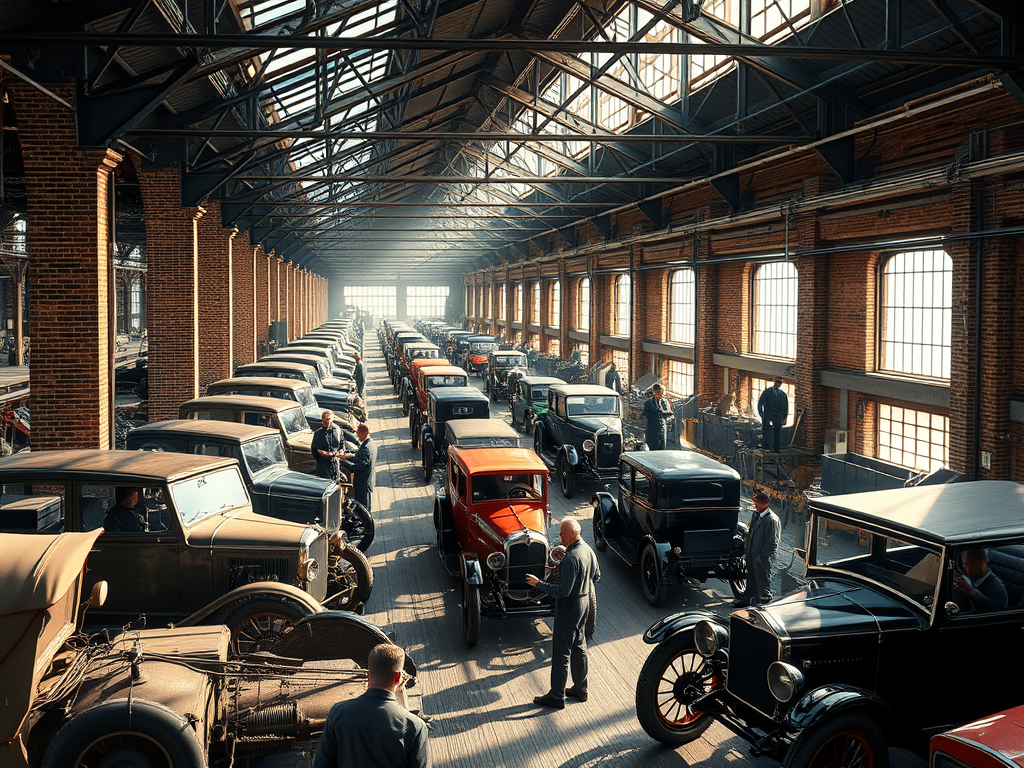
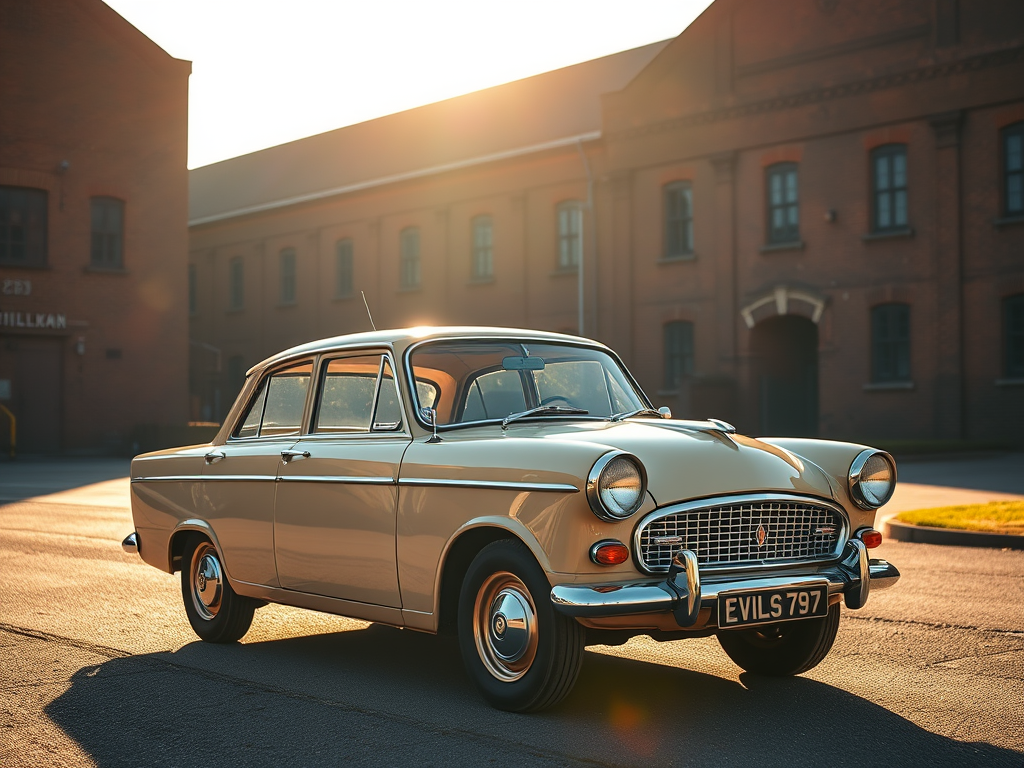
Birmingham’s industrial strength defined the decade. Large employers expanded production, and many factories introduced new machinery and production methods. Motor manufacturing, engineering, and electrical industries were especially important, providing secure employment for thousands.
Working conditions gradually improved. Paid holidays became more common, wages rose, and trade unions remained influential. Skilled workers enjoyed increased job security, while apprenticeships offered young people clear pathways into employment.
Housing and Urban Development
Housing was one of the most visible areas of change during the 1950s. Extensive council house building transformed the city’s outskirts. New estates offered modern homes with indoor bathrooms, kitchens, and gardens, a dramatic improvement on older inner city housing.
Large scale redevelopment also reshaped central Birmingham. Bomb damaged areas were cleared, and ambitious plans aimed to create a modern city with new roads, shopping areas, and public buildings.
Daily Life and the Home
Life at home improved significantly during this decade. Electricity and gas were widely available, and household appliances such as washing machines, refrigerators, and vacuum cleaners became increasingly common.
Television ownership expanded rapidly, changing leisure patterns and bringing national events into living rooms. Family life centred more on the home, with evenings spent watching programmes rather than attending public entertainment.
Religion and Community Life
Religion remained an important part of community life, though church attendance began to decline compared with earlier decades. Anglican, Methodist, Catholic, and other churches continued to serve their neighbourhoods, offering worship, education, and social activities.
Church halls hosted clubs, youth groups, and community events, particularly in new housing estates where residents were establishing fresh social networks.
Leisure, Culture, and Consumption
The 1950s brought new forms of leisure and consumer culture. Cinemas, dance halls, and sports events were popular, while cafés and shops reflected rising disposable incomes.
Fashion, music, and youth culture began to change, influenced by American styles and emerging popular trends. Young people enjoyed greater independence and spending power than previous generations.
Education and Opportunity
Educational opportunities expanded during the 1950s. Secondary education became more widely accessible, and technical colleges supported Birmingham’s industrial needs. Education was increasingly seen as a route to social mobility and personal advancement.
A City Looking to the Future
By 1960, Birmingham was a city transformed. Improved housing, strong industry, and rising living standards had reshaped everyday life. While challenges remained, particularly in areas of urban planning and social change, the mood was largely optimistic.
The decade from 1950 to 1960 marked a turning point, as Birmingham moved confidently into the modern age, shaped by prosperity, ambition, and the promise of continued progress.




Leave a Reply