
The West Midlands has one of the richest and most complex histories in Britain, shaped by early industry, migration, urban growth and social change. Alongside its cities and towns, a wide network of historical societies, heritage organisations and specialist interest groups work to preserve, research and interpret the region’s past.
This article looks beyond the City of Birmingham to cover the wider West Midlands area, including the Black Country, Coventry, Solihull and surrounding historic counties.
Black Country Living Museum
The Black Country Living Museum is one of the most important industrial heritage sites in the UK. Located in Dudley, it preserves and interprets the industrial and social history of the Black Country through reconstructed buildings, demonstrations and extensive archives.
The museum focuses on coal mining, ironworking, housing, transport and everyday life from the 18th to the 20th centuries. It also plays a major role in education, research and media production.
Address: Tipton Road, Dudley, West Midlands, DY1 4SQ
Website: www.bclm.com
Wolverhampton City Archives and Local Studies
Wolverhampton City Archives holds extensive collections relating to the history of Wolverhampton and the surrounding area. These include maps, photographs, census records, trade directories, newspapers and manuscripts.
The service supports both academic research and family history and works closely with local history groups across the Black Country.
Address: Wolverhampton City Archives, Wulfruna Street, Wolverhampton, WV1 1LY
Website: www.wolverhampton.gov.uk
Walsall Local History Centre
The Walsall Local History Centre preserves the documentary history of Walsall and its neighbouring communities. Its collections include parish records, electoral rolls, photographs, building plans and local business archives.
The centre supports local researchers and works alongside community history groups and schools.
Address: Wisemore, Walsall, WS2 8EQ
Website: www.walsall.gov.uk
Dudley Local History and Archaeological Society
Founded in 1949, the Dudley Local History and Archaeological Society promotes research into the history and archaeology of Dudley and its surrounding villages. The society publishes journals, organises lectures and supports archaeological investigation.
It has played a significant role in documenting Dudley’s medieval, industrial and social past.
Website: www.dudleyhistorysociety.org.uk
Sandwell Community History and Archives Service
Sandwell Archives covers the historic boroughs of Oldbury, Smethwick, Tipton, Rowley Regis, West Bromwich and Wednesbury. Its collections reflect the industrial, religious and social history of these communities.
The service works with local history groups, faith organisations and schools to preserve Sandwell’s diverse heritage.
Address: Sandwell Archives, Smethwick Library, High Street, Smethwick, B66 3NU
Website: www.sandwell.gov.uk
Coventry History Centre
The Coventry History Centre is the main archive and local studies service for the city of Coventry. It holds material relating to medieval Coventry, the motor industry, post-war reconstruction and community history.
Coventry’s unique experience during the Second World War and its subsequent rebuilding form a central part of the archive’s focus.
Address: Coventry History Centre, Central Library, Smithford Way, Coventry, CV1 1FY
Website: www.coventry.gov.uk
Warwickshire Local History Society
The Warwickshire Local History Society supports research into towns and villages across the historic county of Warwickshire, including areas now within the West Midlands. It publishes journals, monographs and newsletters and encourages local research.
The society works closely with parish history groups and academic historians.
Website: www.warwickshirehistory.org.uk
Solihull Local History Circle
The Solihull Local History Circle focuses on the history of Solihull and surrounding villages, including Knowle, Dorridge and Balsall Common. Activities include talks, guided walks and research projects.
The Circle has been instrumental in recording changes to the area during rapid post-war development.
Website: www.solihulllocalhistory.org.uk
Ironbridge Gorge Museum Trust
Although located just outside the modern West Midlands metropolitan boundary, the Ironbridge Gorge Museum Trust is central to understanding the industrial history of the region. Ironbridge is recognised as the birthplace of the Industrial Revolution.
The Trust manages multiple museums and extensive archives relating to iron production, engineering, transport and industrial communities.
Website: www.ironbridge.org.uk
Staffordshire Record Office
The Staffordshire Record Office holds historic records covering areas that formed part of the Black Country before modern boundaries were created. These include parish registers, estate papers, maps and industrial records.
The archive is widely used by historians researching early industry and settlement patterns in the West Midlands.
Address: Staffordshire Record Office, Eastgate Street, Stafford, ST16 2LZ
Website: www.staffordshire.gov.uk
West Midlands Archaeological Research Groups
Across the region there are several archaeological societies and research groups working on prehistoric, Roman, medieval and industrial sites. These groups support excavations, surveys and academic research.
Their work has been essential in uncovering the deep history that lies beneath the modern urban landscape of the West Midlands.
Transport and Industrial Heritage Groups
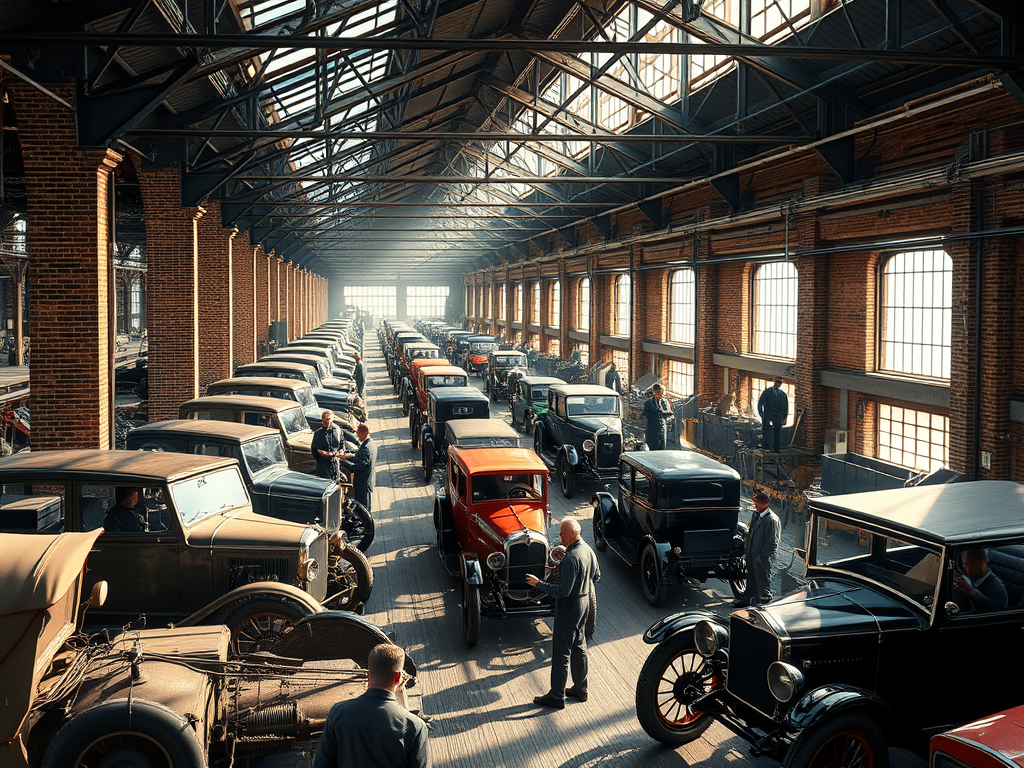
The West Midlands is home to specialist heritage groups focusing on canals, railways, tramways, motor manufacturing and aviation. These organisations preserve historic vehicles, infrastructure and archives relating to the region’s global industrial importance.
They play a key role in interpreting the engineering and manufacturing heritage that shaped modern Britain.
A Living Regional Heritage
Together, these societies and organisations ensure that the history of the West Midlands is not lost. From medieval market towns and industrial innovation to migration, social reform and post-war change, they provide continuity between past and present.
They also reflect the region’s diversity, resilience and enduring contribution to national history.






Leave a Reply