
Birmingham has one of the largest and most historically significant Irish communities in Britain, a presence that has shaped the city’s development for well over two centuries. The Irish community’s influence can be seen across Birmingham’s industrial growth, religious life, politics, culture and neighbourhood identity.
Early Irish settlement
Irish migration to Birmingham began as early as the eighteenth century, but it was during the nineteenth century that large numbers of Irish people settled in the city. The Great Famine of the 1840s forced many to leave Ireland in search of work and survival, with Birmingham emerging as a key destination due to its expanding industries.
Irish labour was vital to the construction of canals, railways, roads and factories. Many early settlers lived in densely populated inner-city districts close to employment, often in difficult conditions, but strong community networks soon developed.
Industrial Birmingham and Irish labour
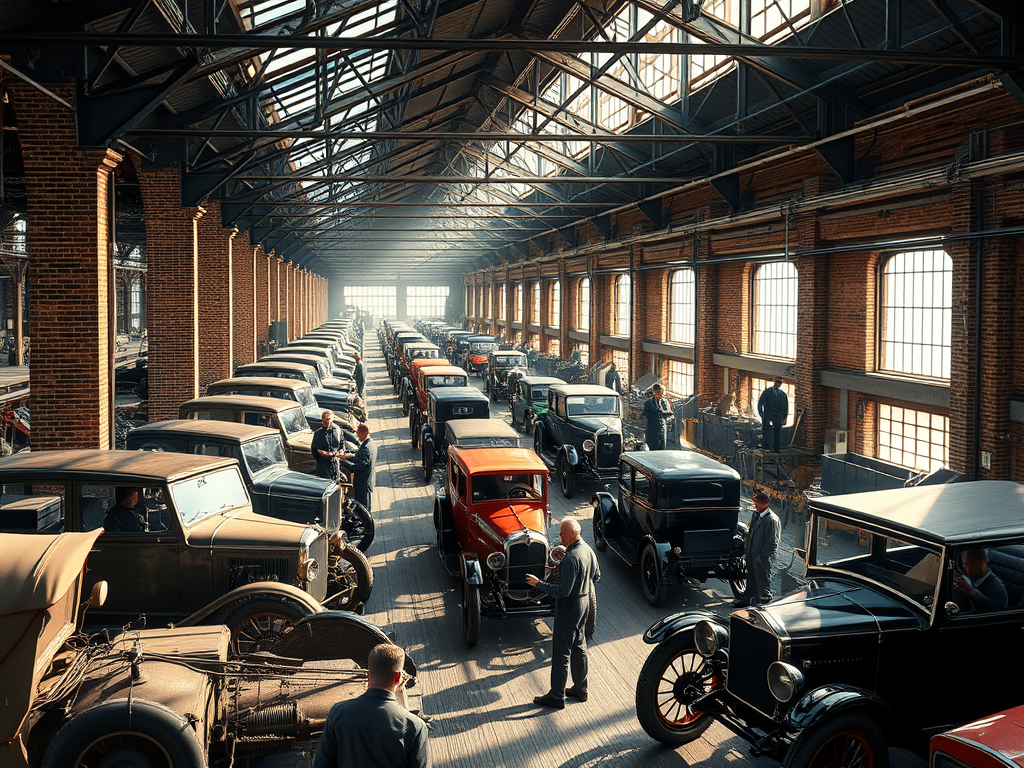
During the height of Birmingham’s industrial expansion, Irish workers were employed in metalworking, construction, foundries and engineering. The community’s contribution to the city’s physical infrastructure was immense, laying foundations that still shape Birmingham today.
Despite facing discrimination and hardship, Irish families established long-term roots, and by the late nineteenth century the Irish were one of the city’s most prominent migrant groups.
Faith and the Catholic Church
Religion has been central to Irish identity in Birmingham, with the Roman Catholic Church acting as both a spiritual and social anchor. Irish communities were instrumental in establishing many of Birmingham’s Catholic churches, schools and charitable organisations.
Parishes became focal points for community life, education and mutual support. Irish traditions, religious festivals and family structures helped preserve identity while integrating into wider British society.
Twentieth-century migration
Further waves of Irish migration occurred during the twentieth century, particularly after the Second World War. Labour shortages once again drew workers from Ireland to Birmingham, reinforcing existing communities and contributing to post-war reconstruction.
Irish migrants found employment in manufacturing, transport, public services and construction. Many families settled permanently, and second and third generations grew up identifying as both Irish and British.
The Birmingham Irish Parade
One of the most visible and enduring expressions of Irish identity in the city is the annual Birmingham Irish Parade, traditionally held each March to coincide with St Patrick’s Day celebrations.
The parade has its roots in post-war Irish community organisations, which sought to publicly celebrate Irish culture, heritage and contribution to Birmingham. Over time, it developed into one of the largest St Patrick’s Day parades in Britain, drawing tens of thousands of spectators each year.
Typically starting in Digbeth, an area historically associated with Birmingham’s Irish population, the parade features marching bands, community groups, dancers, cultural organisations and floats. It is both a celebration of Irish heritage and a statement of belonging within the wider city.
Importantly, the parade has evolved into an inclusive civic event, attracting people from many backgrounds and reflecting Birmingham’s broader multicultural identity. It remains a key date in the city’s cultural calendar and a source of pride for the Irish community.
Cultural life and traditions
Irish culture has left a lasting imprint on Birmingham’s social life. Music, dance, literature and sport have played important roles in community identity. Irish pubs, social clubs and cultural societies became key gathering places, hosting music sessions, celebrations and community events.
Traditional Irish music, folk dancing and storytelling continue to be passed down through families and community organisations, while newer generations reinterpret these traditions in contemporary ways.
Politics, activism and civic life
Members of Birmingham’s Irish community have been active in trade unions, local politics and civic life for generations. Irish organisations played important roles in social welfare, housing advocacy and community representation, particularly during periods of political tension in Ireland.
Over time, the community’s involvement in public life has contributed to broader debates around identity, equality and social justice within the city.
Education and social mobility
Education has been a key factor in the Irish community’s long-term integration and success. Catholic schools and grammar schools provided opportunities for social mobility, and later generations have entered professions across law, medicine, education, business and the arts.
Irish identity has been maintained alongside strong local and national British ties, reflecting the complex and evolving nature of migration and belonging.
Life today
Today, Birmingham’s Irish community is deeply established, multi-generational and diverse. While migration from Ireland continues at a lower level, the community’s identity is now shaped as much by heritage as by ongoing connection.
Irish influence remains visible in Birmingham’s religious institutions, cultural life and annual celebrations such as the Irish Parade. The community continues to play an important role in shaping the city’s character, bridging tradition and modern urban life.



Leave a Reply