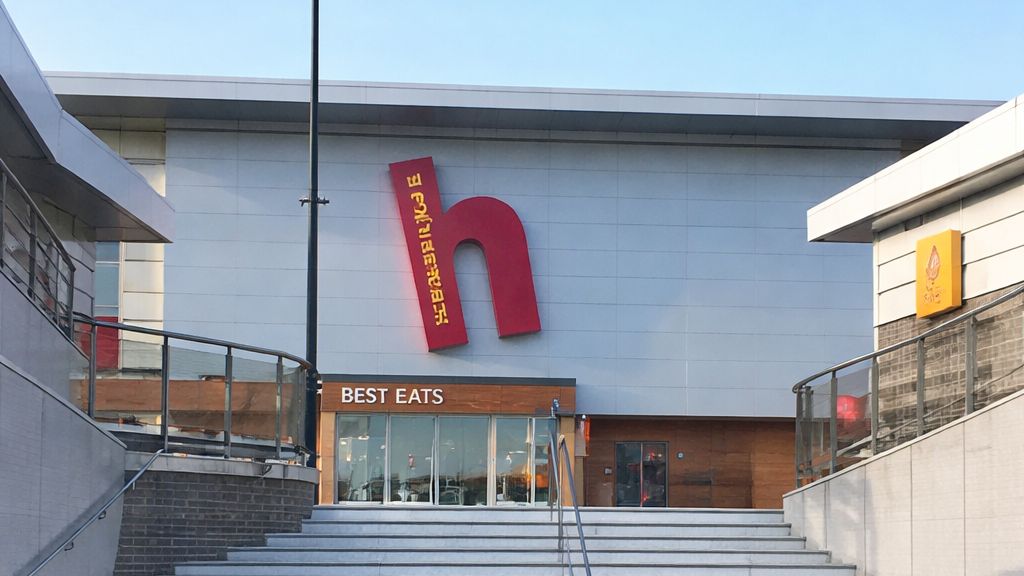
Rubery is a large suburban district on the south-western edge of Birmingham, stretching along the A38 Bristol Road between Northfield and the Worcestershire border. It occupies high ground overlooking the surrounding countryside and forms one of the main routes into the city from the south, giving it both a strategic and a slightly elevated, semi-rural character compared with many inner suburbs. Today it is mainly residential, with a good range of local shops, services and everyday amenities serving the surrounding neighbourhoods.
The name Rubery comes from Old English, meaning a rough or stony hill, a reference to the ridge on which the area stands. For much of its history Rubery was a small rural hamlet surrounded by farmland, woodland and heathland, lying just beyond the built-up edge of Birmingham. Until the late nineteenth century it remained sparsely populated, with a handful of farms, cottages and roadside inns serving travellers moving between Birmingham and the Severn Valley.
Rubery’s transformation into a suburb began in the late nineteenth and early twentieth centuries as Birmingham expanded outwards and transport links improved. The Bristol Road became a major arterial route, encouraging ribbon development, new housing and local businesses. Large housing estates were built in the inter-war years and after the Second World War, creating a substantial residential district for families moving out of older inner-city areas.
A major influence on Rubery’s growth was the nearby Longbridge car works, home of Austin and later British Leyland and MG Rover. For decades this vast factory complex provided employment for huge numbers of people in Rubery and the surrounding districts, shaping the area’s social life, housing demand and local economy. The fortunes of the car industry were closely reflected in the streets, shops and daily rhythms of the community.
One of Rubery’s defining features is its close relationship with open countryside and major green spaces. The Lickey Hills Country Park lies just to the south, offering woodland, heathland and some of the highest ground in the Birmingham area, while Waseley Country Park sits nearby and provides a quieter alternative. Waseley covers around one hundred and fifty acres of woodland and open land, with a visitor centre, café and meeting facilities, and is particularly popular with walkers who find the Lickey Hills too busy. Both parks preserve something of the area’s earlier rural setting and give Rubery a distinctive balance between suburban life and easy access to nature.
Today Rubery remains a settled and popular residential area, shaped by its hilltop position, its role as a gateway into Birmingham and its historic ties to the city’s manufacturing heartlands. Its combination of housing, local amenities and nearby countryside reflects the way Birmingham’s outward growth absorbed once-rural places and turned them into enduring suburban communities.







Leave a Reply