
Oldbury is the chief headquarters of the borough’s Council House, quite rightly so, as Oldbury lies at the centre of Sandwell. It is home to a proud and prestigious council complex that reflects the significant changes taking place in the town today.
Many people are confused about what or where Sandwell is. Sandwell is the name given to this part of the Black Country. In fact, the council was so concerned about this confusion that it once considered changing the borough’s name. This resulted in extensive consultation and public involvement, and after much debate it was decided to retain the name Sandwell.
Often overshadowed by its larger neighbour Birmingham, Sandwell is a large and cosmopolitan borough made up of the former boroughs of Oldbury, Rowley Regis, Smethwick, Tipton, Wednesbury and West Bromwich.
Oldbury takes its name from the Anglo-Saxon “Ealdanbyrig”, which later became “Aldebury” in Middle English. Originally Crown property, Oldbury became part of Halesowen parish in the early 13th century and remained a detached part of Shropshire until the early 19th century.
A manor once stood on the site, owned by Halesowen Abbey. Records date back to the 15th century, although the manor itself was demolished in the mid-18th century. In 1557 Sir Robert Dudley took possession of the Manor of Oldbury, and in 1633 it passed into the ownership of the Cornwallis family.
The oldest surviving building in Oldbury today is the Big House in Church Street, dating from 1705. It was originally the home of the Freeth family and is now used as the Mayor’s offices, owned by Sandwell Metropolitan Borough Council.
Notable people from Oldbury include Cornelius Whitehouse (born 1795), inventor of the lap-welded wrought iron tube; Robert Hancock, the 18th-century portrait engraver; Henry Adcock, inventor; Sir Frederic Bridge, composer; and Jack Judge, composer of “It’s a Long Way to Tipperary”.
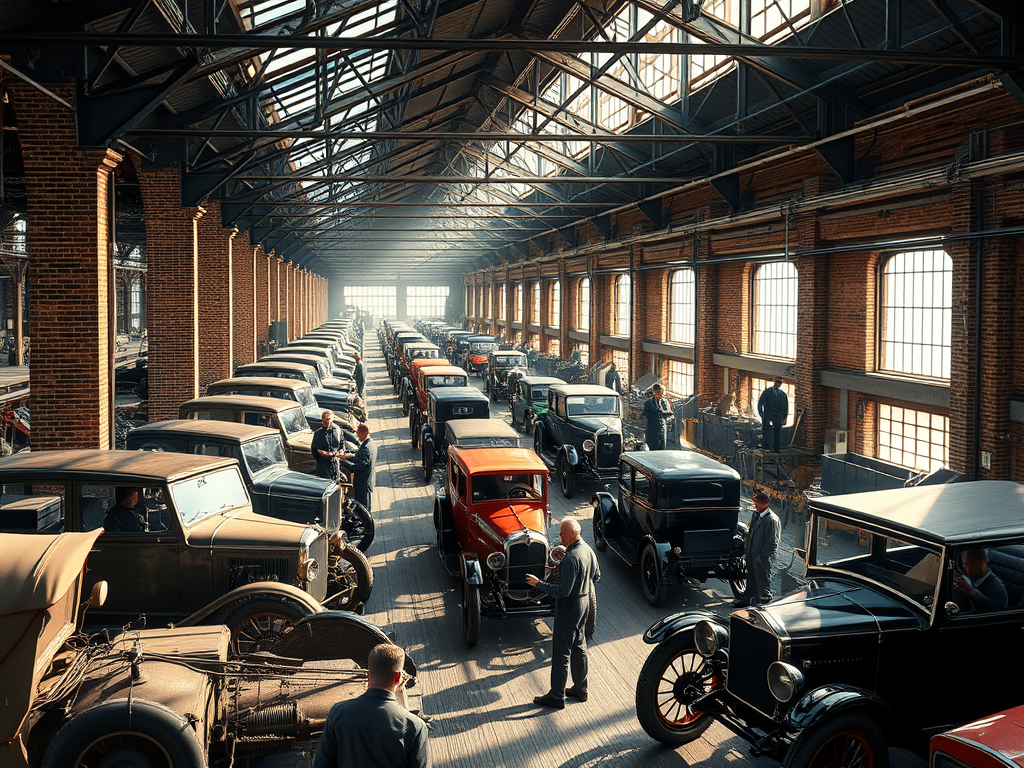
Like neighbouring Smethwick, Oldbury experienced rapid growth during the Industrial Revolution. It became an important industrial centre, renowned for coal, iron, phosphorus and steel production. The town also saw the manufacture of boilers and bricks, and even First World War tanks. The first Lloyds Bank branch opened in Oldbury.
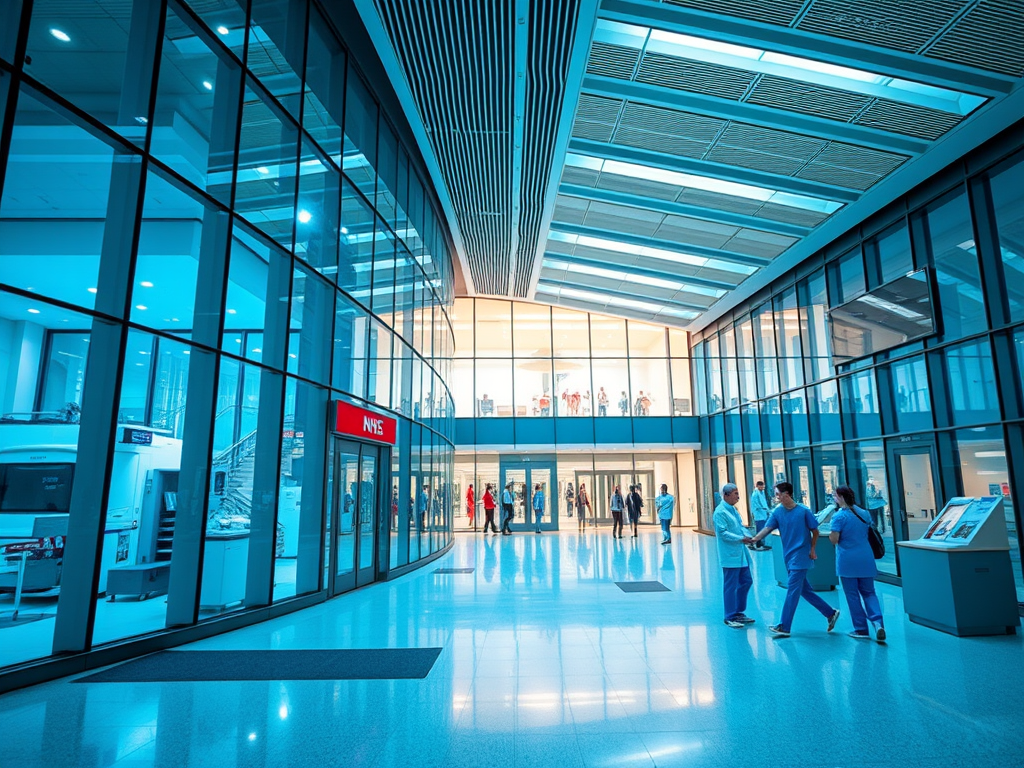
Today, retail parks, modern offices and warehouse developments have replaced many former industrial sites. New housing and contemporary facilities, including the Sandwell Council buildings, continue to support Oldbury’s regeneration and evolving identity.
The Sandwell Metropolitan Borough Council website can be found at http://www.smbc.sandwell.gov.uk/.





Leave a Reply