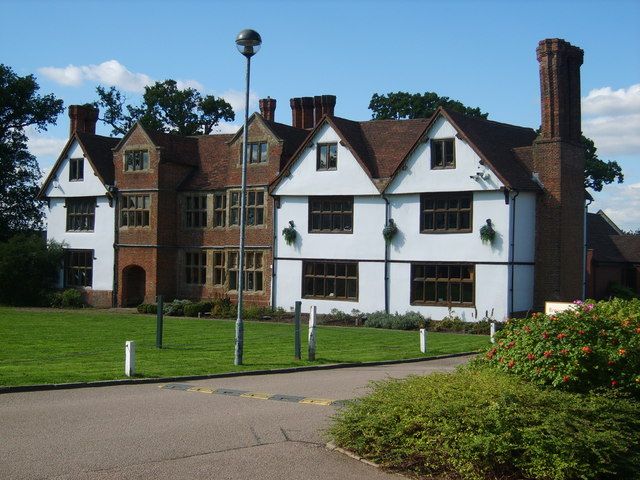
Sheldon Hall is one of the most important surviving historic buildings in east Birmingham and one of the finest examples of a Tudor manor house in the city. It stands within Sheldon Country Park, close to the River Cole, in an area that was once at the heart of a large rural estate. The hall dates from the late sixteenth century and was built around 1597 for the Willoughby family, who were prominent local landowners at a time when this part of Birmingham was still a landscape of farms, woodland and scattered villages.

The building is a classic example of Elizabethan timber-framed architecture, with its distinctive black-and-white oak beams, gabled rooflines and ornate decorative panels. Inside, Sheldon Hall retains a remarkable amount of its original structure, including heavy oak beams, panelled rooms and a layout that reflects the way a wealthy family and their servants would have lived and worked more than four hundred years ago. For centuries the hall served as the centre of the Sheldon estate, controlling farmland that stretched across much of what is now east Birmingham.
As Birmingham expanded during the nineteenth and twentieth centuries, the countryside around Sheldon Hall was gradually built over with suburbs, factories and transport links. Despite this pressure, the hall itself survived, though by the mid twentieth century it was in poor condition. The estate was eventually acquired by Birmingham City Council, and Sheldon Country Park was created around the historic core of the old manor lands. Sheldon Hall was carefully restored and preserved, allowing it to become a rare surviving link to the area’s pre-industrial past.
Today Sheldon Hall is a Grade II* listed building and one of Birmingham’s most valuable heritage assets. It is used as a community and cultural venue, hosting exhibitions, events and educational activities that bring its history to life for visitors. Set within the open meadows and woodland of Sheldon Country Park, it offers a striking contrast between modern Birmingham and the rural manor landscape that once defined this part of the city.
Today the historic Sheldon Hall survives not just as a listed building but as a hospitality venue known as Sheldon Hall Stonehouse, where its timber-framed architecture and historic character provide the setting for a restaurant and bar within the community of Tile Cross.







Leave a Reply