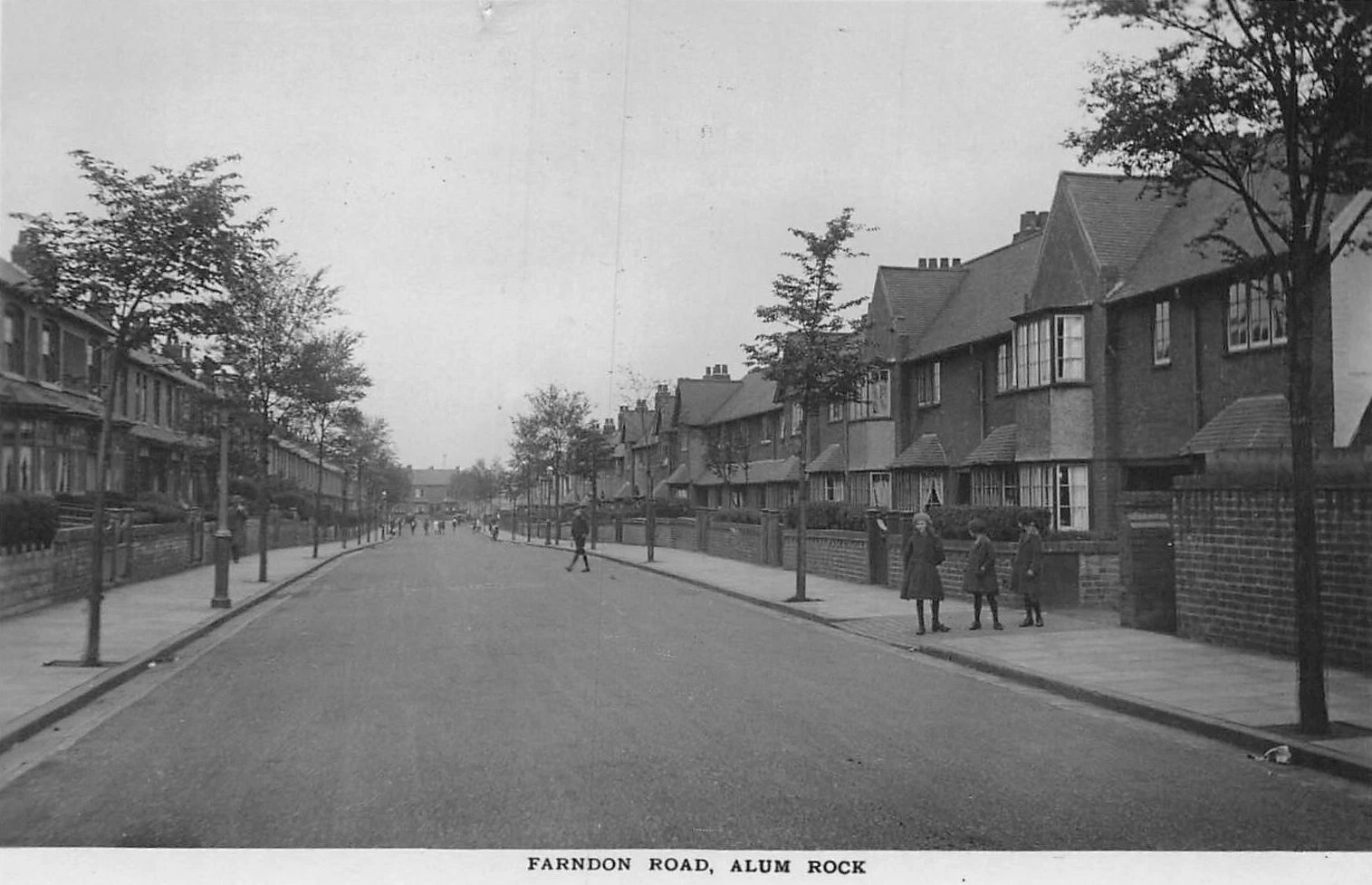
Alum Rock is an inner-city district to the east of Birmingham, best known for its long high street and strong cultural identity. The area developed rapidly during the late 19th and early 20th centuries as Birmingham expanded outward, with terraced housing built to serve workers employed in nearby factories and workshops across Small Heath, Bordesley and the wider industrial east of the city.
The name Alum Rock is thought to derive from deposits of alum found in the area, a mineral historically used in dyeing and tanning, reflecting the practical, industrial character of early Birmingham. As the district grew, Alum Rock Road became a major commercial route, lined with shops, cinemas and local businesses that served surrounding neighbourhoods. By the inter-war period it was a busy and well-established shopping street.
From the mid-20th century onwards, Alum Rock became home to large South Asian communities, particularly families with roots in Pakistan, Bangladesh and India. This transformation reshaped the area’s identity, with new businesses, places of worship and cultural institutions emerging along Alum Rock Road. Today the street is one of Birmingham’s most recognisable centres of South Asian commerce, known for clothing shops, food stores, jewellery and restaurants.
Although Alum Rock was never dominated by a single large factory, its residents were closely tied to Birmingham’s manufacturing economy, working in engineering, metal trades and later service industries. In recent decades the area has faced challenges linked to economic change and urban pressures, but it remains a vibrant, densely populated district with a strong sense of community, reflecting Birmingham’s wider story of industrial growth, migration and cultural diversity.






Leave a Reply