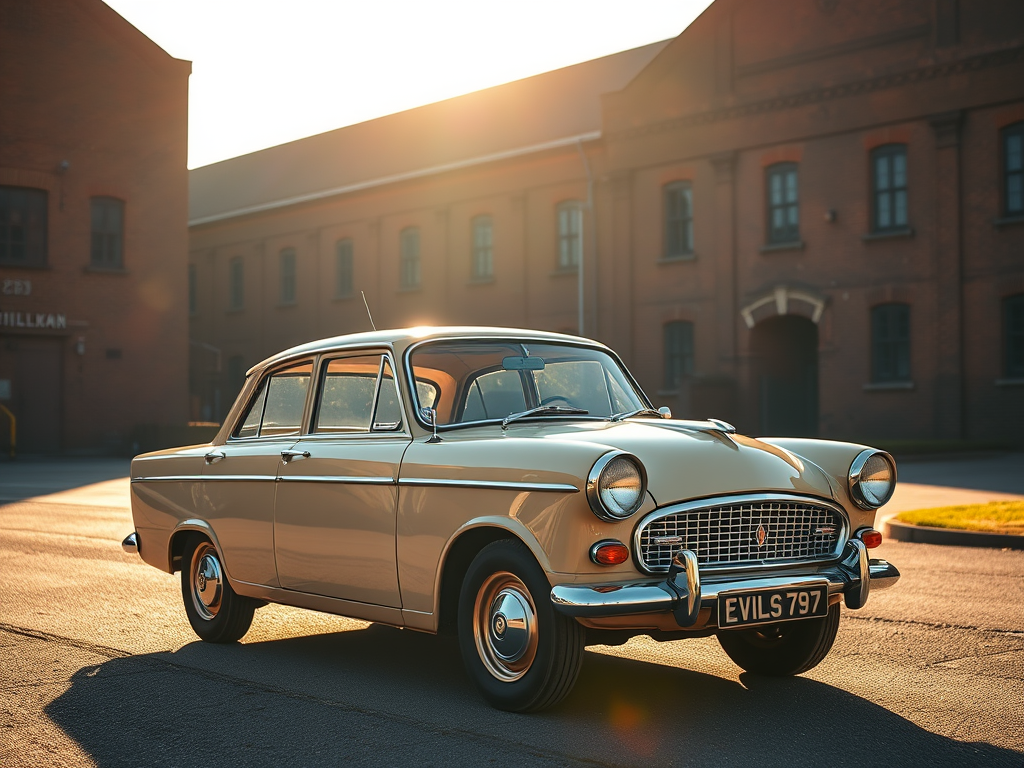
Hillman is one of the most recognisable names to emerge from Britain’s early motor industry and is closely associated with Coventry, which at the turn of the 20th century was a world centre for bicycle and motor manufacture. The company grew out of the cycle trade, with William Hillman initially involved in bicycle production before moving into motor vehicles. In 1907 the Hillman Motor Car Company was formed, reflecting a wider shift in Coventry as many cycle manufacturers turned to car production. Early Hillman cars were relatively upmarket, but the company soon identified greater long-term success in building dependable and affordable cars for a growing middle-class market.
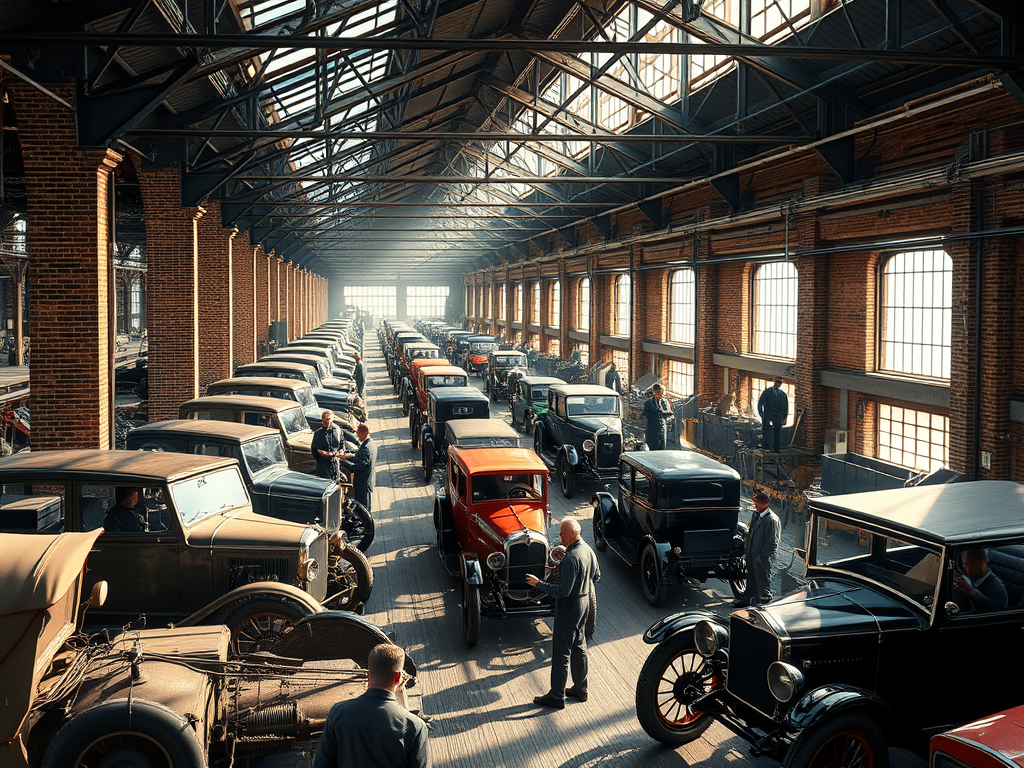
Although Hillman’s origins were firmly in Coventry, its most famous manufacturing base became Ryton-on-Dunsmore, just outside the city. Ryton developed into a major production site and remained closely linked with the Hillman name for decades. The factory became a significant local employer and a symbol of Midlands car manufacturing, producing large volumes of family cars that helped establish Hillman as a mainstream British brand.
By the late 1920s, Hillman had effectively become part of the Rootes Group, a growing automotive empire that brought several British marques under common ownership. Under Rootes, Hillman was positioned as the group’s core volume brand, focusing on practical, affordable cars. The greatest success of this period was the Hillman Minx, introduced in the 1930s and repeatedly updated after the Second World War. The Minx became a familiar sight on British roads and a strong export product, earning a reputation for reliability and good value that underpinned Hillman’s popularity during the post-war motoring boom.
Ambition, however, would later contribute to Hillman’s decline. In 1963 the company launched the Hillman Imp, a small car designed to compete with emerging European rivals. Technically advanced, the Imp featured a lightweight aluminium engine and a rear-engine layout, marking a bold departure from traditional British designs. To build the Imp, Rootes opened a new factory at Linwood, a decision influenced by regional development policies. Unfortunately, production at Linwood was plagued by quality issues, logistical inefficiencies and industrial relations problems. Although the Imp sold in large numbers overall and developed a loyal following, it failed to deliver the profits expected and placed a heavy financial strain on the Rootes Group.
By the mid-1960s, these pressures left Rootes in serious difficulty, leading to a takeover by Chrysler, which gained full control in 1967. Under Chrysler’s ownership, the traditional Rootes marques were gradually rationalised and restructured. Hillman continued into the 1970s, but branding strategies changed and models were increasingly rebadged. In 1976, the Hillman name was officially discontinued, bringing an end to almost seventy years as a standalone marque.
The factories associated with Hillman met very different fates. Linwood continued for a short period after the end of Imp production but closed in 1981, often cited as a costly experiment that contributed to Rootes’ collapse. Ryton-on-Dunsmore, on the other hand, survived through multiple ownership changes, including Chrysler and later Peugeot, and remained in operation until 2006. Its closure marked the final chapter of a long industrial story closely tied to Hillman and the Coventry area.
Today, Hillman is remembered through classic car clubs, surviving vehicles and its place in British industrial history. From solid family saloons like the Minx to the ambitious but troubled Imp, the Hillman story reflects both the strengths and weaknesses of the UK motor industry in the 20th century, and stands as a clear example of Coventry’s once-dominant role in car manufacturing.





Leave a Reply