Most people only ever mention Frankley when it comes to giving directions off the M5 motorway. Frankley Services on Junction 3 the last stop for the Hagley Road and the way into central Birmingham from the South.
There is however more to Frankley. Although not a large community within Birmingham it does nestle in pleasant countryside with rolling hills and a real rural atmosphere that would normally only be found miles out of the city centre. The people of Frankley are fortunate to have the best of both city life and the countryside as well as immediate access to the M5 motorway.
Frankley is one of the most historic districts on the south-western edge of Birmingham, lying between Northfield, Bartley Green and the Worcestershire countryside. Unlike many parts of the city that grew out of nineteenth-century industrial expansion, Frankley remained a rural village and parish for centuries, and even today parts of it still retain a semi-rural character. Its position on high ground above the Bourn Brook valley has always given it both strategic and agricultural importance.
The name Frankley is believed to derive from an early Saxon settlement, meaning “the clearing of the Franks” or “free people”, and it appears in medieval records long before Birmingham became a major town. For much of its history Frankley belonged to Worcestershire rather than Warwickshire, and it was only absorbed into Birmingham in the twentieth century as the city expanded outwards. This separate identity helps explain why Frankley feels different from the more urban districts nearby.
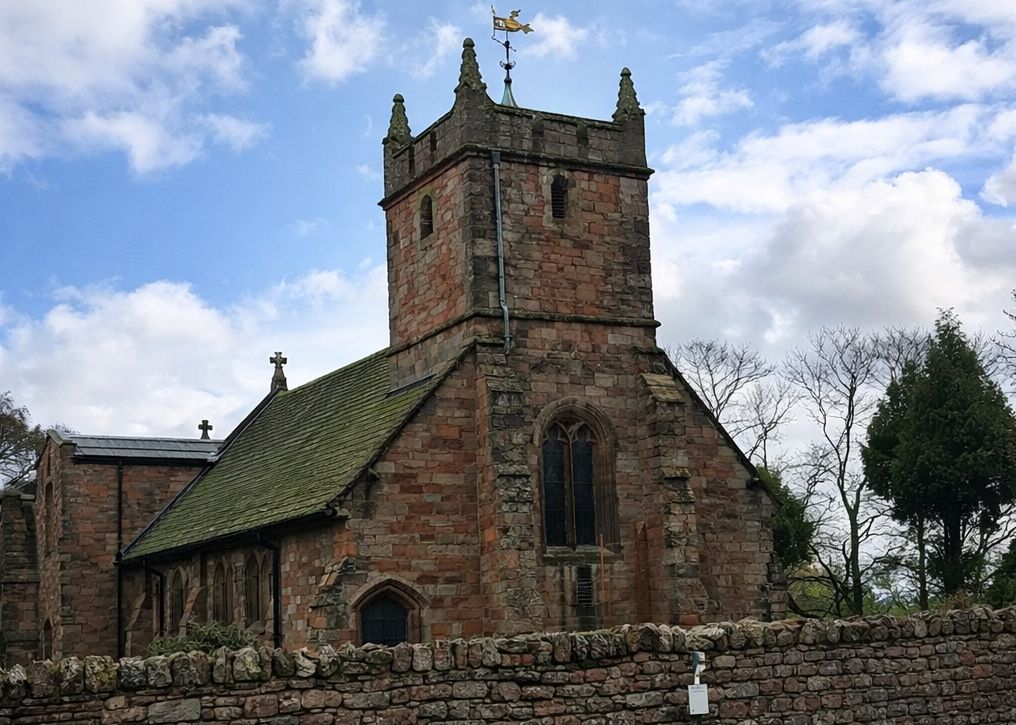
At the heart of historic Frankley stands St Leonard’s Church, parts of which date back to the twelfth century. The church, with its ancient tower, churchyard and surrounding green, marks the original village centre and is one of the oldest surviving buildings in this part of Birmingham. Around it once stood farmhouses, cottages and smallholdings, forming a tight rural community that lasted for hundreds of years.
Frankley’s greatest modern significance lies in its role as the home of Frankley Water Treatment Works, one of the largest and most important water facilities in Britain. Built in the early twentieth century, it receives water from the Elan Valley reservoirs in Wales and processes it for distribution across Birmingham and much of the West Midlands. This vast complex of reservoirs, pumping stations and filtration works is hidden behind embankments and fencing, but it is fundamental to the daily life of millions of people and has made Frankley a critical piece of the region’s infrastructure.
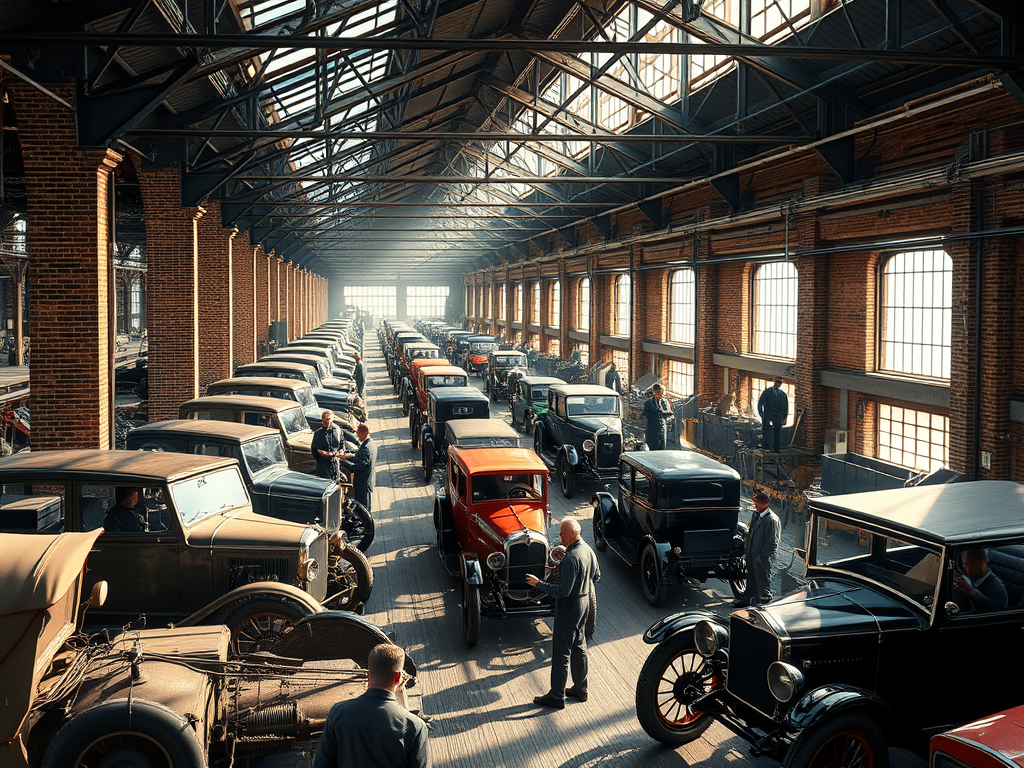
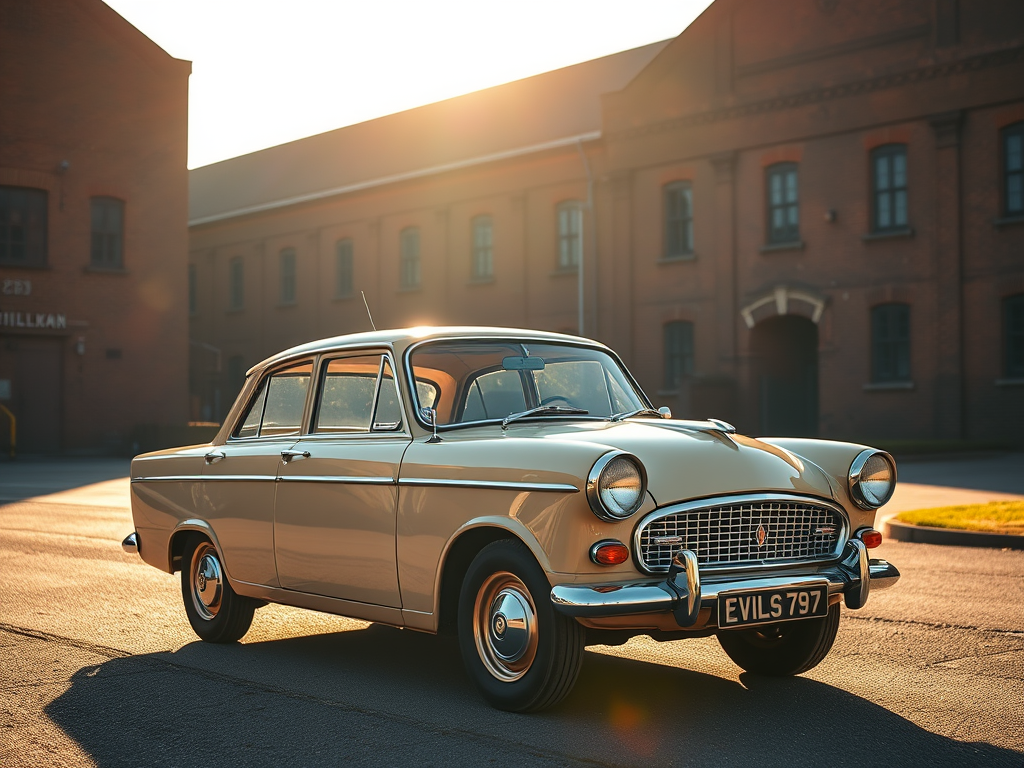
Although Frankley was never a heavy industrial district itself, it was closely connected to Birmingham’s manufacturing economy. For much of the twentieth century many local residents worked at the nearby Longbridge car plant, home of Austin, Rover and later MG Rover. The rhythms of village life were shaped by shift patterns and factory wages, linking this old rural parish to one of Britain’s most famous industrial sites.
Today Frankley remains a place where layers of Birmingham’s past are still visible. Ancient church, modern housing, reservoirs, farmland and post-war estates all sit side by side, reflecting the way the city grew outward from its industrial core. It is a district that quietly connects medieval village life, Victorian engineering and twentieth-century mass industry, making it one of the most historically deep-rooted parts of modern Birmingham.




Leave a Reply